Annual Report Edukans 2025






Message from our executive director

Start learning today for a brighter tomorrow
“Imagine a world where every child and young person can learn, grow, and believe in their own potential. A world where talent is recognised, opportunities are within reach, and every young person has the confidence and capabilities to shape their own future”.
This shared vision lies at the heart of our work. And it is the dream that drives our work every single day, to ensure that education opens the door to dignity, freedom, and more just and sustainable societies.
Bringing our dream to life is never something we do alone. Our work is shaped every day by a world that is changing faster and more profoundly than we could have imagined. Geopolitical tensions, shifting priorities in international cooperation and a growing movement toward decentralisation and localisation all influence how change happens, and how organisations like ours must position themselves. What once seemed self‑evident can no longer be taken for granted.
In a world facing rising inequality, disrupted education systems and increasing pressure on the most vulnerable children, quality education and strong local partnerships are more essential than ever. In this shifting landscape, we turned to the people who know best what is needed: the communities, teachers and young people we work with every day. Their insights were honest, thoughtful and deeply motivating, and they reaffirmed that our work matters, now more than ever.
“You can cut budgets, but you can’t cut away humanity.”
This principle is at the heart of everything we do and remains the foundation of our work. We are dedicated to empowering children* and youth by providing access to quality education, it is a commitment we will never compromise.
This past year has shown once again how powerful our collective commitment can be. I am proud of what we have achieved together. We stayed true to who we are: close to the communities we serve, grounded in their realities, and at the same time firmly connected to national education systems and priorities. That combination, authenticity and alignment, is what makes our work strong and meaningful.
In 2025, our collaborative approach took shape through several large‑scale programmes that delivered tangible, system‑level results. By working together in strong consortia -such as with governments and knowledge centres- we were able to contribute to lasting improvements in national education systems and thus reach millions of children and teachers.
* Children in our Basic Education programmes are between 4 – 18 years old.
Youth in our Skills programmes are between 18 – 35 years old.
By bringing our educational expertise into these programmes, we have helped create better learning outcomes and stronger development opportunities for 4.4 million children and young people in East Africa by 2025. Alongside this systems‑focused work, we also play a direct implementing role by managing projects ourselves, providing methodologies and materials, delivering training, and organising activities. Through these efforts, more than 300,000 children and young people gained access to better quality education, and nearly 20,000 teachers strengthened their pedagogical skills enabling them to create classrooms where students feel seen, supported, and able to learn. If I were to highlight a single achievement, I would overlook what truly matters. It is the collective impact of all our programmes in Ethiopia, Kenya, Malawi, Uganda, and Ghana that makes me proud. Together, these initiatives have made a significant contribution to improving the quality of education in each of these countries.
In this annual report, you will read more about these programmes, the results we have achieved, and the partnerships that made them possible. You will also read how we continued to advocate for quality education on national and international platforms. And of course, you will find our financial results, which show that we continue to operate in a stable and consistent way.
At the same time, securing sufficient income to sustain our work remains a continuous challenge. Long‑term and loyal support from our partners is therefore more important than ever. We are deeply grateful for the trust and commitment of everyone who stands with us.
This report reflects the collective efforts of many: dedicated colleagues, committed partners, courageous educators, and above all the children and young people whose determination inspires our work every day. Together, we are creating opportunities for learning, growth, and leadership, empowering the next generation to contribute to more just, inclusive, and sustainable societies.
Warm regards,

Petra van Haren, CEO Edukans

About Edukans

1. About Edukans

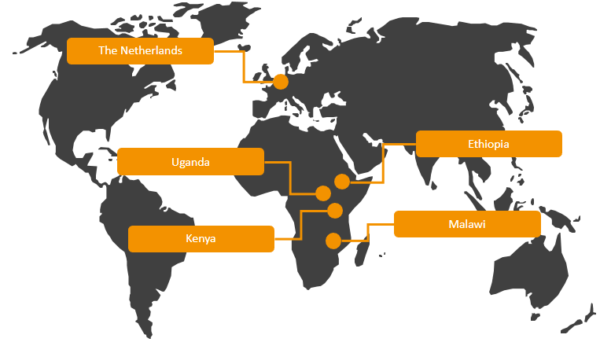
Edukans is an international NGO with offices in Ethiopia, Kenya, Malawi, the Netherlands, and Uganda. Alongside our dedicated and passionate teams, we are working to strengthen the education systems across Eastern Africa. We believe education is the most powerful engine for progress. It can enable young people to flourish as they discover and develop their talents, resulting in a healthier, happier and more successful life. It has the power to change societies from within and to support sustainable, inclusive and safe communities. Edukans is committed to unleashing the power of education. To realise its full potential for improving the well-being of individuals and communities, especially those who are displaced or live in a region where access to education is limited. We work towards education that equips children and young people with the skills they need to participate in a rapidly changing world, ranging from reading and writing to social and digital skills.
Let’s unleash the power of education together.
Edukans
1.1 Our mission
Our mission is to create opportunities, enabling children and young people in Eastern Africa to shape their futures with confidence. We aim to support them by leveraging our experience and expertise to drive systemic and sustainable improvements in education, because education has the power to change societies from within. We believe education is essential for equipping children and young people to face and overcome the greatest challenges of our time, such as climate change and we believe in the development of EdTech as a vital part of their learning journey.


1.2 Key challenges
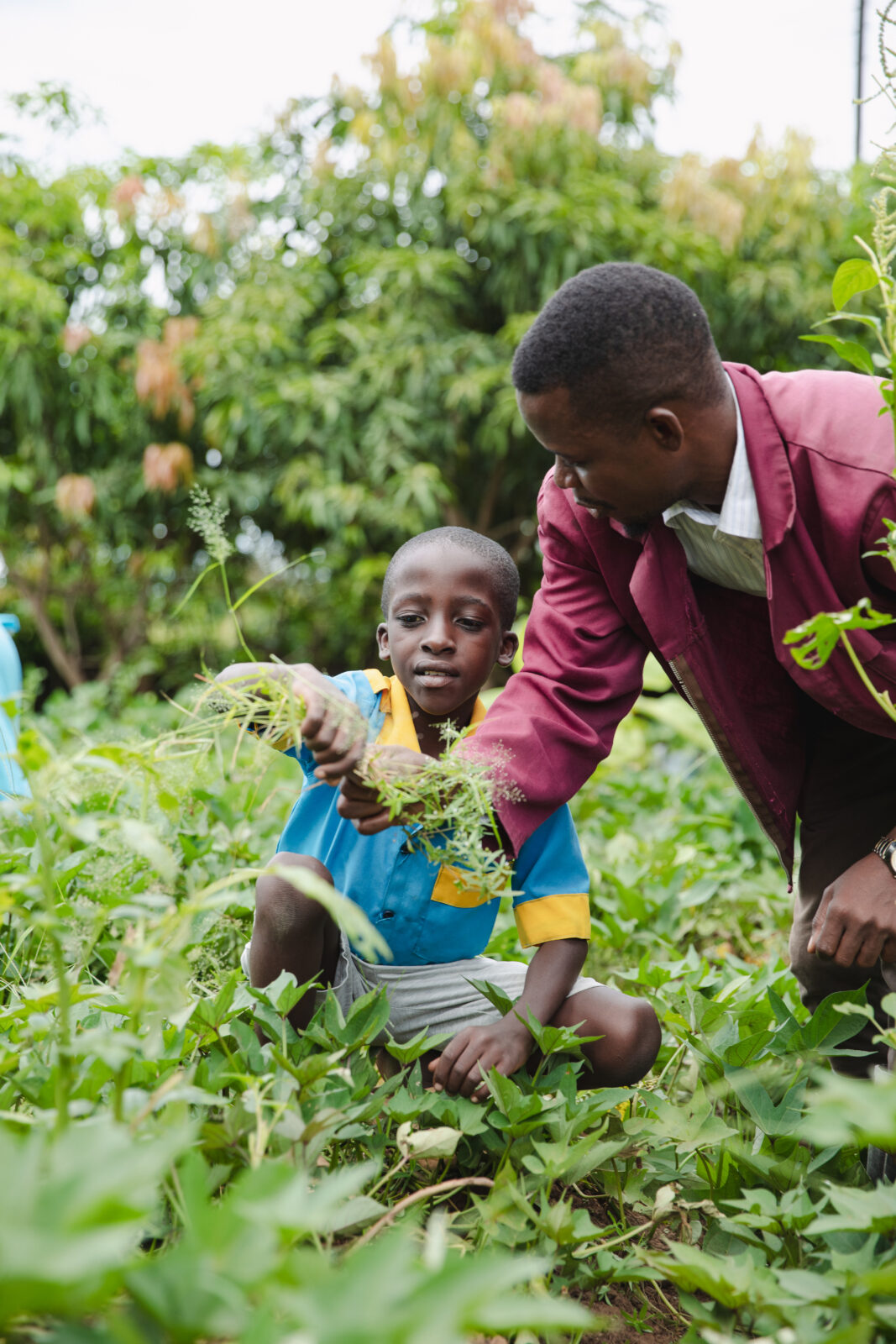
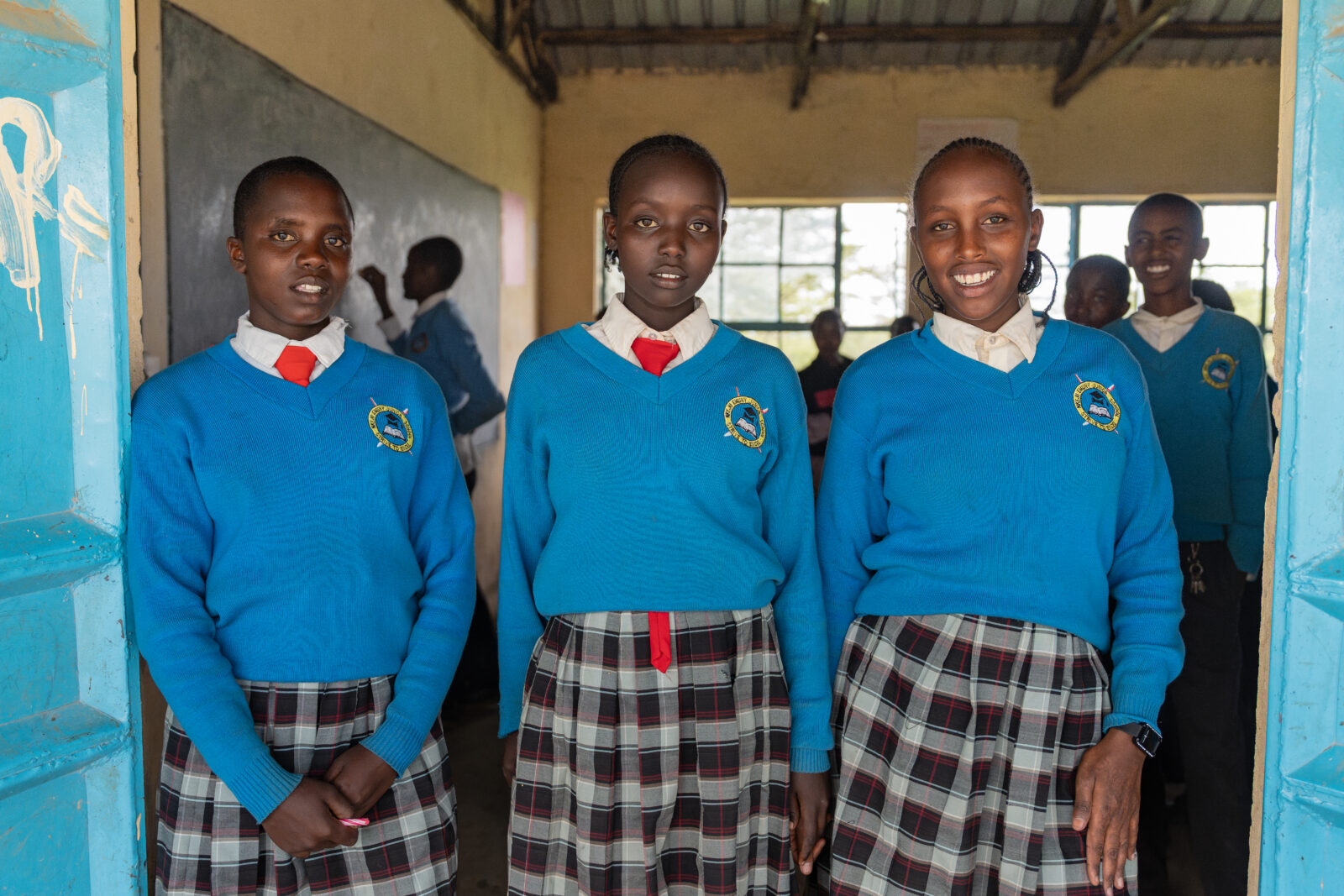
Edukans addresses key educational challenges in our focus countries Ethiopia, Kenya, Malawi, and Uganda, and in 2025 we also implemented projects in Ghana. In many cases, school attendance is less of a problem than poor learning due to less effective teaching methodologies, overcrowded classrooms, and a lack of resources. Youth unemployment remains high because students leave school without the right skills for the job market. Crises such as conflicts and natural disasters disrupt education for millions, while gender inequality prevents many girls from accessing school. In remote areas or communities with limited economic resources, education remains out of reach due to costs, long distances, or a lack of schools. Edukans tackles these issues by improving teaching quality, providing teacher training, ensuring education in emergencies, and promoting equal opportunities for all. Edukans believes in turning challenges into opportunities and has achieved sustainable impact on quality education through our programmes.
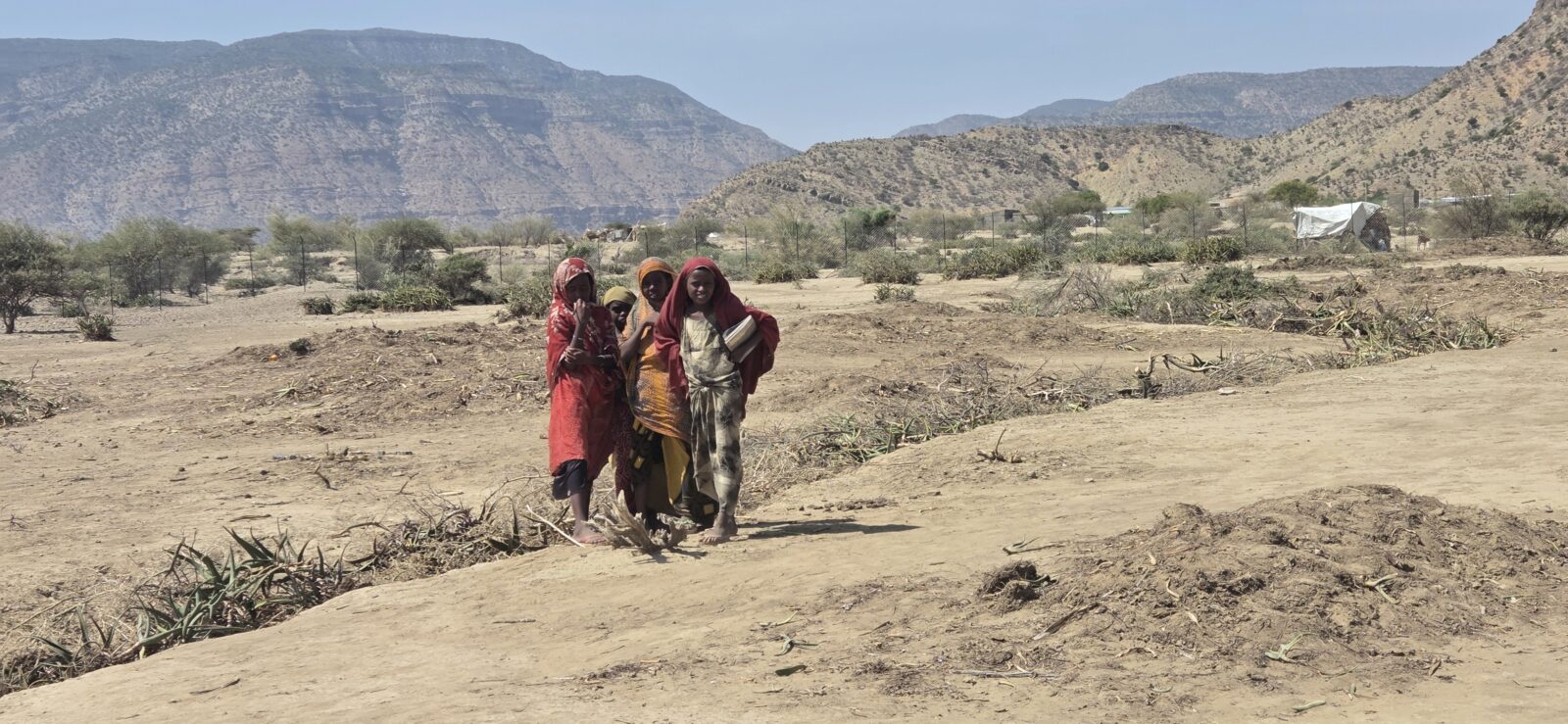

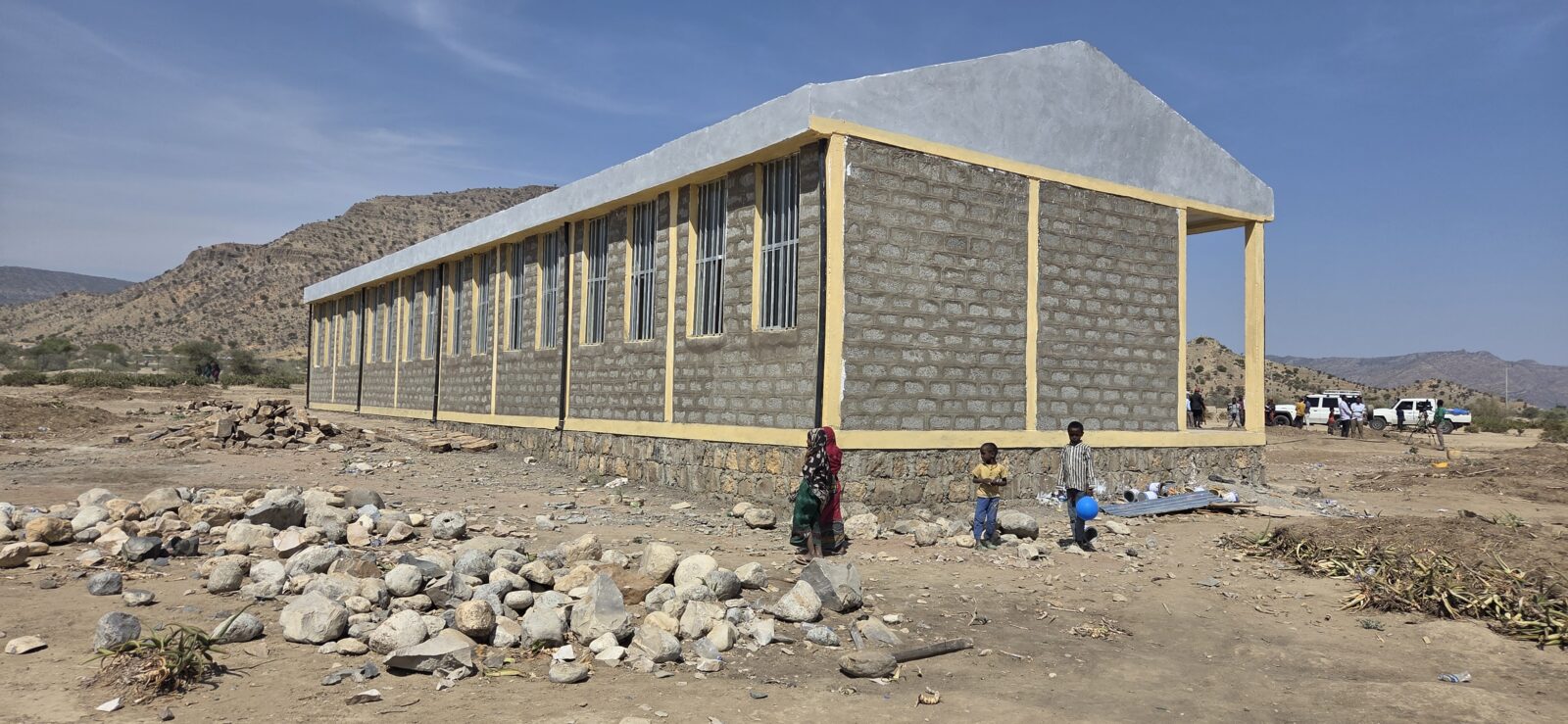

Globally, there is a 10% increase in hourly earnings for every extra year of schooling. That makes education an investment for life. Education delivers significant, consistent returns in terms of income, and is the most important factor to ensure equity and inclusion.
Source: World Bank 2025
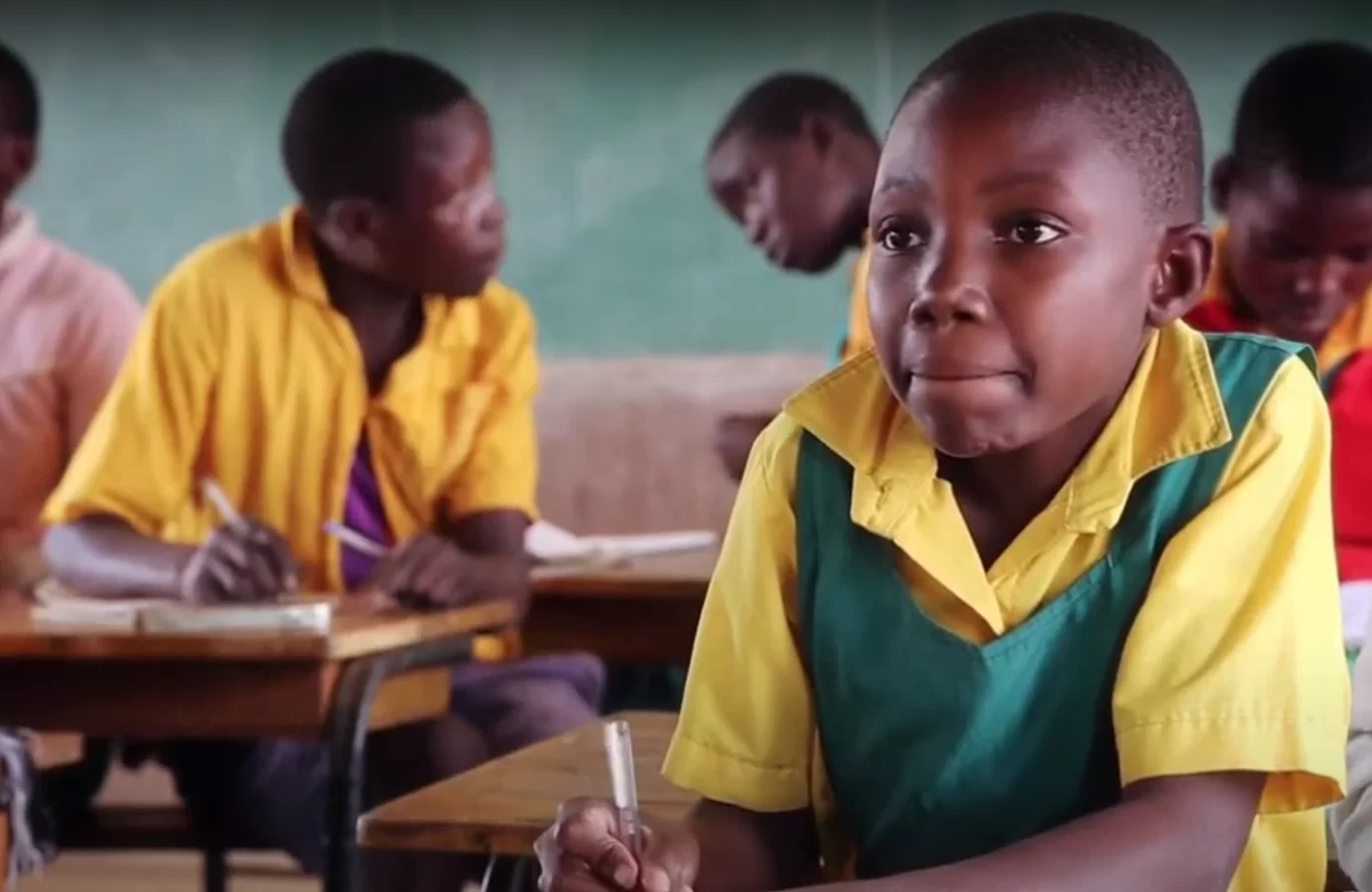

1.3 Our programmes
Edukans is active in four focus countries: Ethiopia, Kenya, Malawi and Uganda. Country offices have been established and registered in these countries, and national staff engaged. Edukans aims to develop a diversified portfolio in each of these countries, offering the full range of Edukans programmes to change the long-term prospects of the participants and often their families as well. In addition to the focus countries, Edukans also implemented projects in Ghana and Lebanon in 2025.
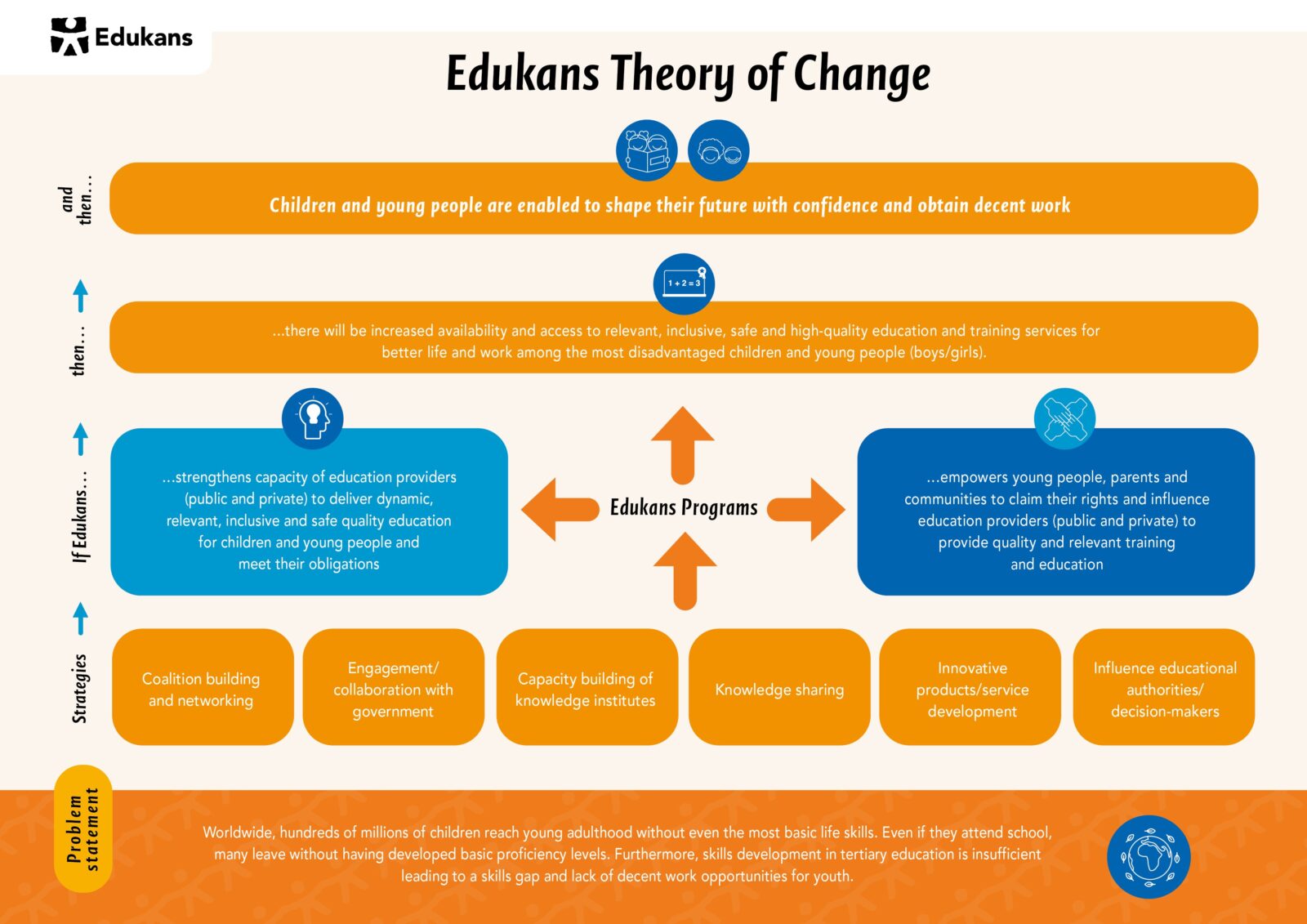
Edukans Theory of Change
For over 20 years, we have operated as the Edukans Foundation, building on a legacy of educational expertise that dates back to 1879. Our Theory of Change is rooted in this extensive experience, guiding our work for quality education.

Pillars
Our work is structured around three pillars: primary education, skills for work and life, and education in emergencies. Across all three pillars, several key themes, including gender, climate, and digitalisation, shape our approach and guide the impact we create for children and young people around the world.
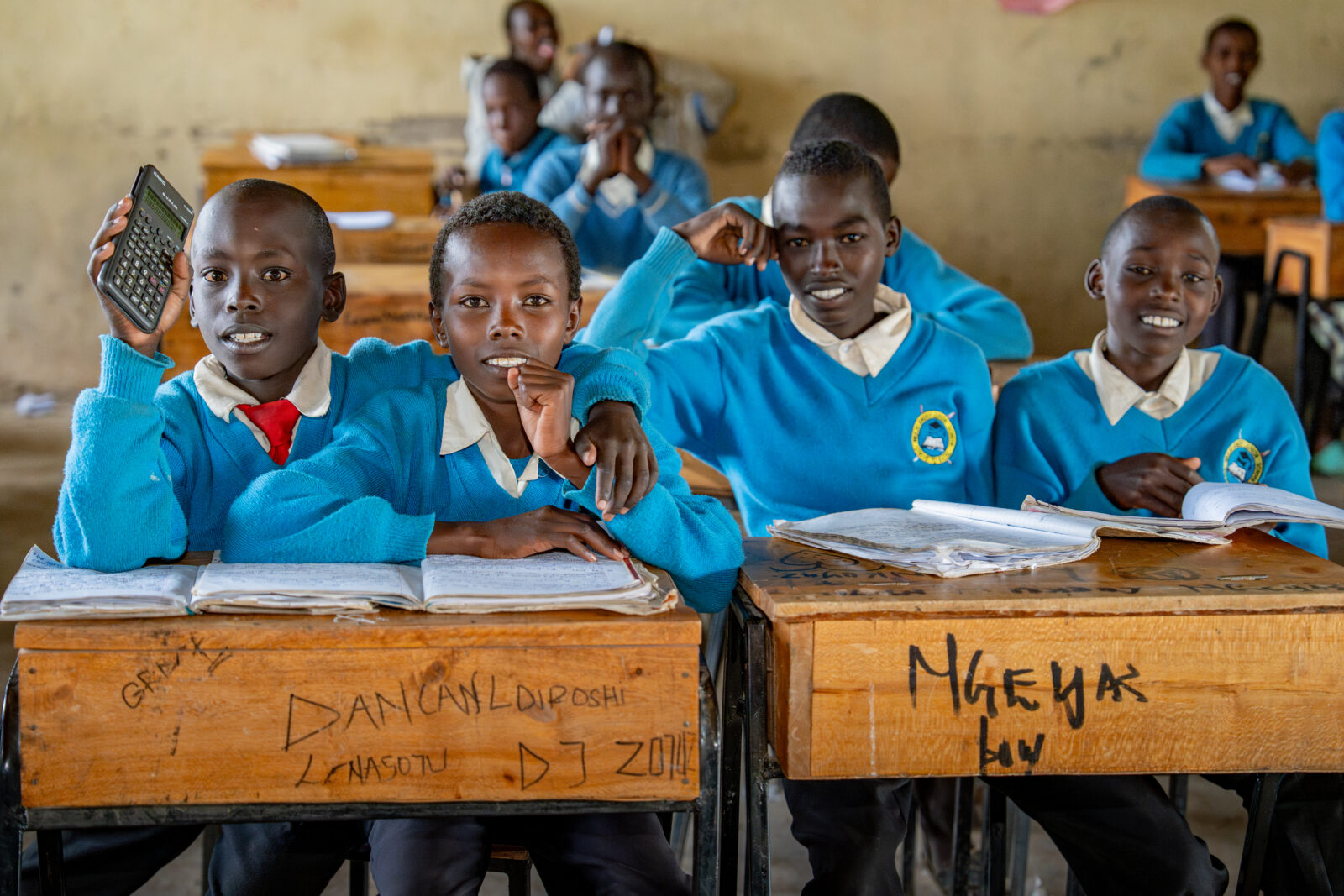

BASIC EDUCATION
We believe in the power of quality basic education to enable children to develop, and ultimately to contribute to a better world. The Basic Education programme is a cornerstone of our work, focusing on teaching foundational skills such as reading, writing, and maths, alongside essential life skills, including social and emotional learning, and 21st-century skills such as digital literacy and green education. Our approach supports and empowers school leadership, teachers and communities to sustainably improve the quality of education in their schools. This results in improved learning outcomes, improved pass rates, and more children continuing their learning path to tertiary education.
At the heart of our approach is Edukans’ proven STAR-school model (externe link, opent in nieuw tabblad) – a practical framework for strengthening the quality of schools in all their dimensions. The model is grounded in evidence showing that positive learning outcomes depend on five interlinked pillars of support: learning environment, enhanced teaching quality, enhanced learning, strengthened school management, and active community and parental involvement.
We support the improvement of Basic Education through a coherent set of approaches including our (Green) Star School quality model, our Teaching with Impact (externe link, opent in nieuw tabblad) methodology, the quality assessment tool EDU Q-card (externe link, opent in nieuw tabblad), and our Social and Emotional Learning (externe link, opent in nieuw tabblad) approach. Through a combination of these, we aim to equip children with the skills and competencies they need to thrive in work and life. Learn more about these approaches below.
Learn more about Basic Education (externe link, opent in nieuw tabblad)
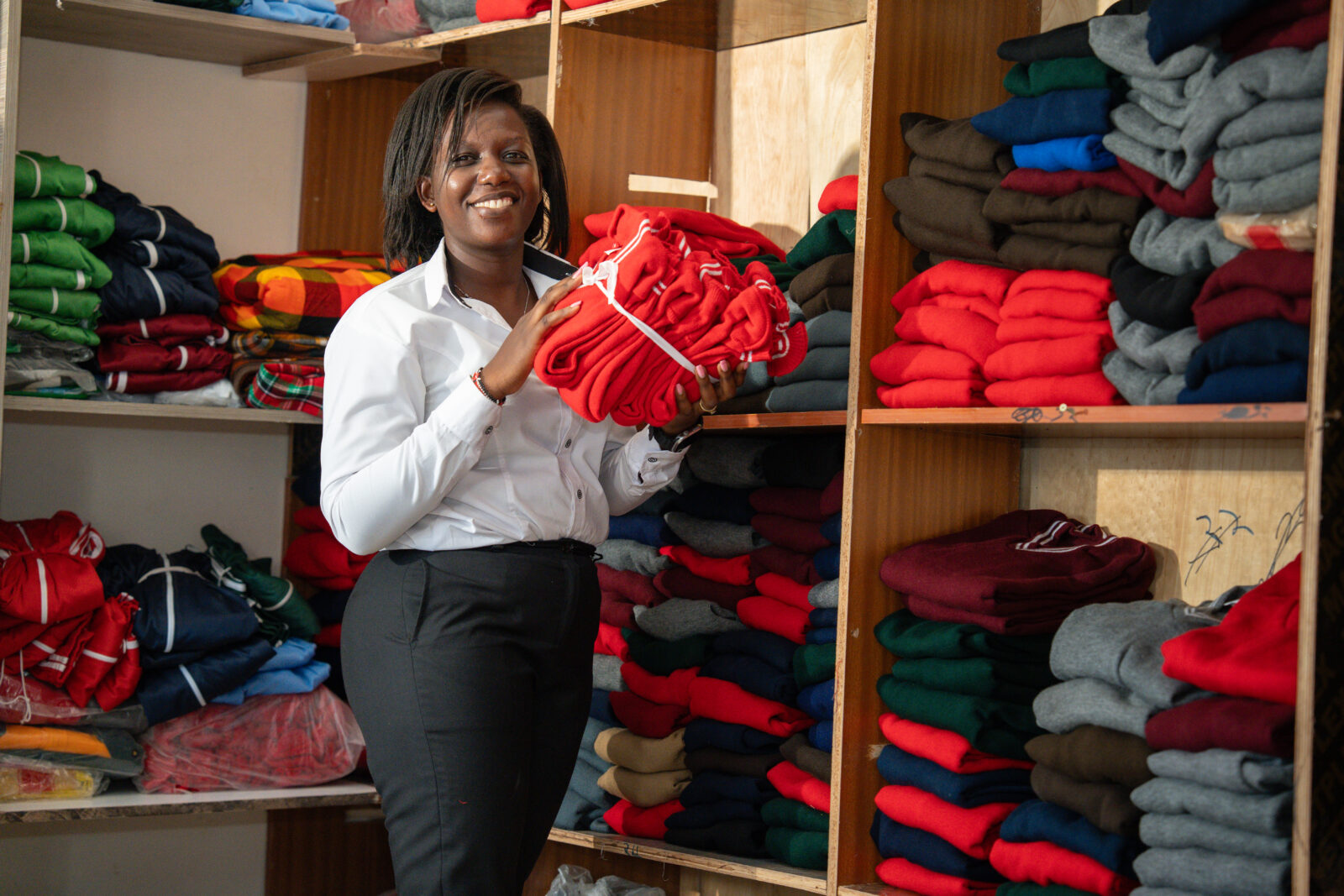

SKILLS FOR WORK AND LIFE
Skills for Work and Life is an Edukans programme designed to equip young people with the employability, entrepreneurship, and life skills they need to thrive in today’s labour market and contribute meaningfully to society. The programme addresses the gap between the skills young people acquire in schools or training institutions and the competencies employers require for the jobs of the future. By focusing on the development of labour‑market–relevant skills, the programme increases young people’s opportunities for decent employment or self-employment. Edukans supports this through its 7 Steps to WORK (externe link, opent in nieuw tabblad) model, Work-Based Learning (externe link, opent in nieuw tabblad) approach, life-skills (externe link, opent in nieuw tabblad) training, and digital pedagogy (externe link, opent in nieuw tabblad) support. Together, these interventions help young people build the confidence, capabilities, and mindsets needed to successfully transition into work and participate fully in their communities.
Learn more about Skills for Work and Life (externe link, opent in nieuw tabblad)
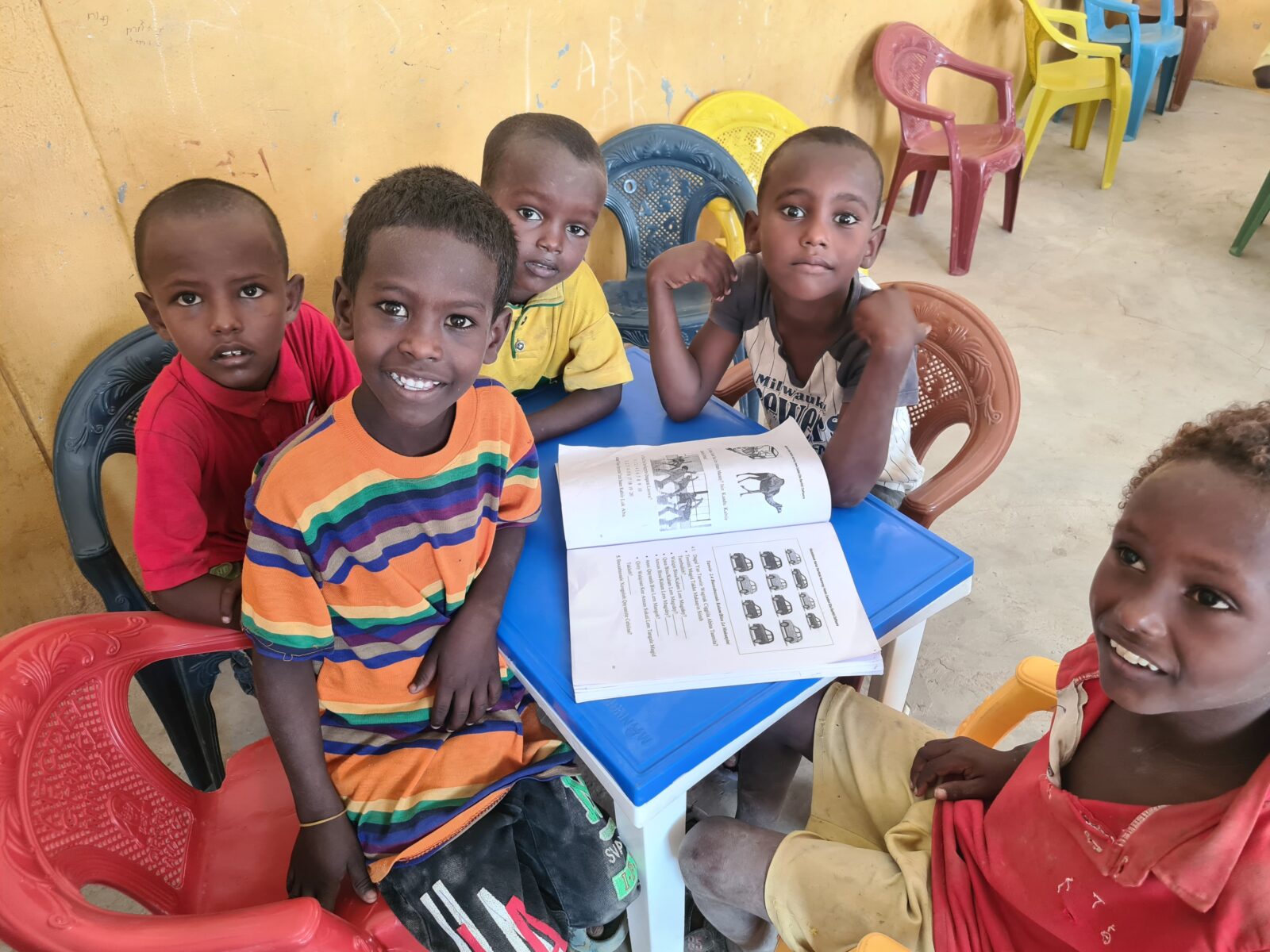

EDUCATION IN EMERGENCIES
Edukans ensures that children in crisis-affected areas – whether due to conflict or natural disaster – continue learning in safe environments. Schools provide not just education but also stability, mental health support, and a pathway to a better future. Our programme focuses on access, quality, well-being, and advocacy. We establish safe, green schools, train teachers in inclusive and climate-resilient education, and support students with Social and Emotional Learning (externe link, opent in nieuw tabblad), creating long-term impact in crisis settings.
Learn more about Education in Emergencies (externe link, opent in nieuw tabblad)
“What you often see in Kenian classrooms, is a teacher standing in front, reading from the textbook, with very minimal chances for the child to participate in their own learning. It’s still very teacher-centered, not learner-centered as competency-based education (CBC) requires. Edukans has been putting the learner at the center of learning for 15 years. Our teachers have become champions of active teaching and learning, often doing a better job than official government training.”
- Edwin Buluma, Education Expert Edukans
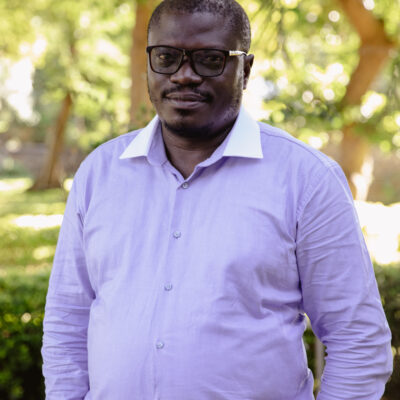
Kenya is transforming its education system. The country has switched from an exam- and knowledge-oriented system to a competence-based curriculum (CBC). In the new pupil-oriented education system, there is less emphasis on learning by memorising. Instead, there is more attention for skills that are important in life and on the labour market. This gives pupils the space to develop in ways that suit them. After all, not every child needs to become a doctor or engineer. Edukans’ education experts Edwin Buluma and Mark Hoeksma explore the obstacles faced during this transition.
Read the blog to find out (externe link, opent in nieuw tabblad)
Cross-cutting themes
Edukans is dedicated to improving education quality through a holistic approach that integrates cross-cutting themes into all our programmes. Climate change is no longer just one of many concerns – it is the defining crisis of our time, demanding a multidisciplinary response. We are committed to rethinking how education can contribute to climate solutions. Digitalisation is another key priority, as the digital divide continues to limit learning opportunities for millions of children. By embedding digital skills into pedagogy, we ensure students are equipped for the future. Gender and inclusion remain at the heart of our mission, as true equality in education requires equal access and opportunities for all. Through clear policies and inclusive methodologies, we create learning environments where diversity is embraced, barriers are removed, and every student can thrive.
Education is truly effective only when children as well as teachers feel safe, seen, and supported. That is why the theme mental well-being is a core focus of our programmes, especialy within our Education in Emergencies pillar. We support teachers to build resilience themselves and equip them to identify and address signs of stress, anxiety, or pressure among their students.
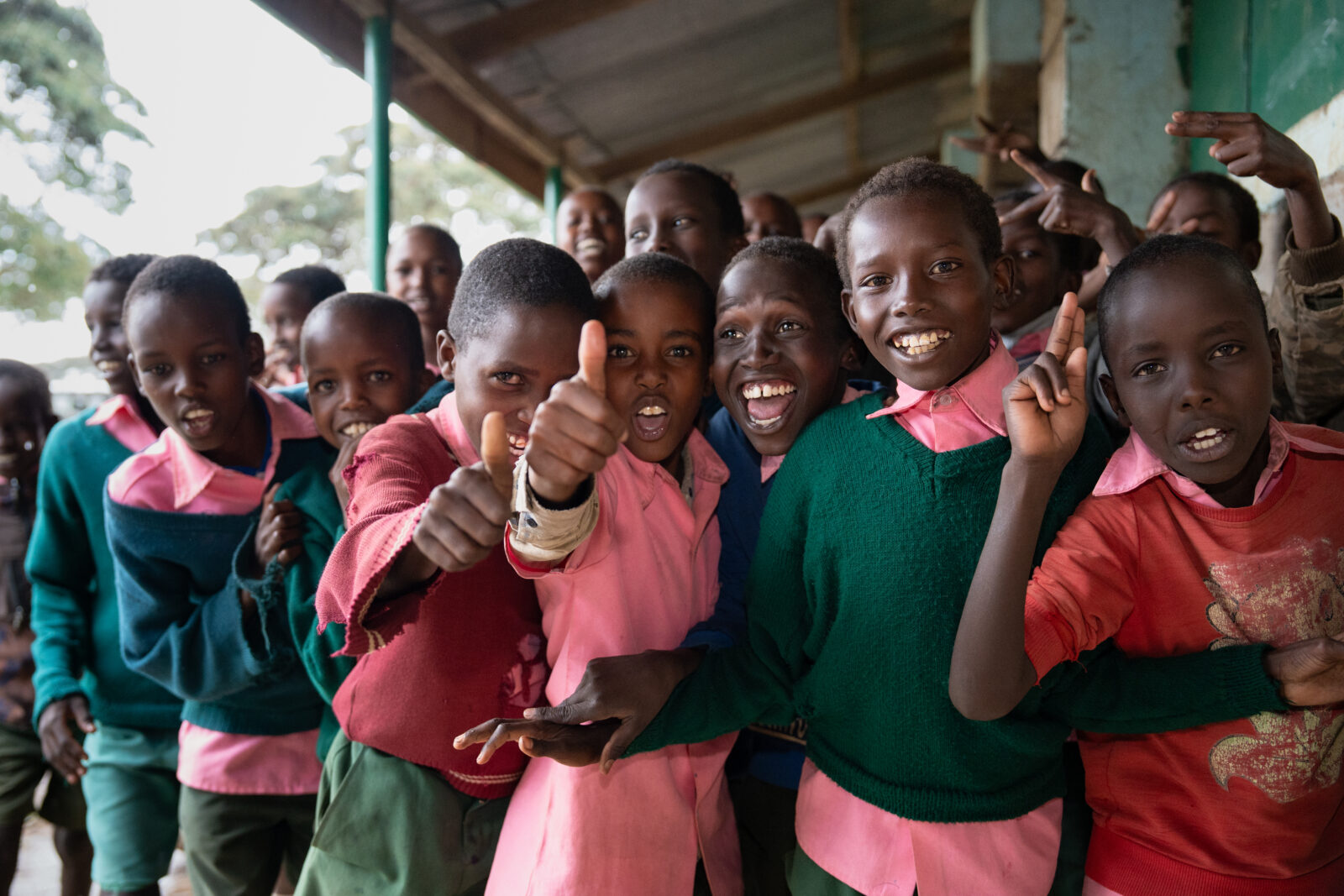

Peer Learning Platform
As a result of recent strategic re-thinking, we are developing Edukans’ Peer Learning Platform to focus on re‑imagining teacher collaboration through a more accessible, scalable hybrid model. Building on lessons from its Exchange Programme and teachers’ expressed needs, the organisation began shaping a digital learning and exchange platform that maintains the strengths of peer‑to‑peer professional development while reducing travel and broadening participation. Key elements include a community of practice, a stronger role for South–South collaboration, and a simple, teacher‑designed platform focused on meaningful interaction.
The emerging model envisions a dynamic network of educators supported by national master trainers, open access to relevant resources, and opportunities for teachers both within and beyond Edukans programmes. Sustainability and long‑term viability are central, with attention to monitoring and learning, stakeholder involvement, and exploring options for a future business model to ensure the platform’s growth and impact.
1.4 Our ambitions
With a strong professional and personal approach, we are committed to ensuring quality education for children and young people in Eastern Africa. Our ambition for 2021-2025 focused on four key programme pillars. By reaching students, training teachers and empowering young people with essential skills, we are building a future where education is accessible, inclusive, and transformative.
2025 marks the final year of our current multi-annual strategy. Over the past year, we have continued to realise our strategic ambitions and contributed to measurable improvements in inclusive, equitable, and quality education and skills development for decent work. Our impact has been particularly significant in Ethiopia, Kenya, Malawi, and Uganda, as reflected in progress against quality education indicators, including learning outcomes and teacher quality, and Skills for Work & Life indicators.
To shape sustainable futures, education systems must be strengthened and our interventions scaled up, while maintaining the professional, learner centred, and evidence-based ways of working that are characteristic of Edukans. We believe in the value of the United Nation’s Sustainable Development Goals (SDGs) which aim to make the world a better place by 2030. Through our efforts to achieve good-quality education for all, Edukans projects and programmes contribute to SDG 4, 5, 6, 8, 10, 13 and 16. We mainly focus on contributing to goals 4, 5, 8 and 13, ensuring that children and young people acquire the knowledge, skills, and competencies needed for lifelong learning and improved employment prospects.
Currently, we are working on an evaluation report that reflects on our former strategic period of 2021-2025. The results of this report will be published on our website after finalisation.
Edukans and the Sustainable Development Goals
SDG 4 – Quality education
Ensure inclusive and equitable quality education and promote lifelong learning opportunities for all.
SDG 5 – Gender equality
Achieve gender equality and empower all women and girls.
SDG 8 – Decent work and economic growth
Promote sustained, inclusive and sustainable economic growth, full and productive employment and decent work for all.
SDG 13 – Climate action
Build knowledge and capacity to meet climate change.


Our results in 2025
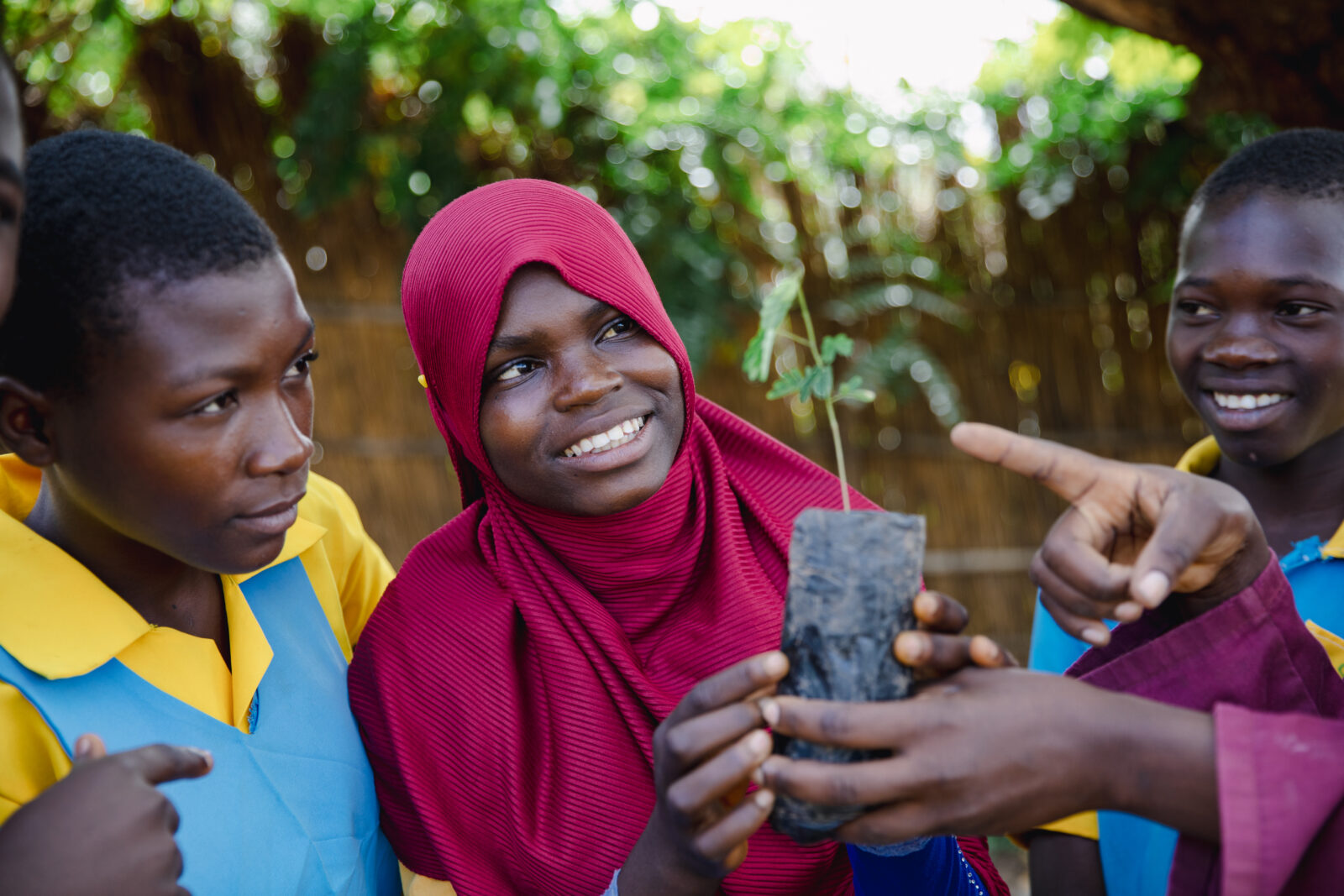

2. Our results in 2025
Introduction – Driven by Systemic Change
In 2025, Edukans – in collaboration with governments, schools, communities, knowledge institutions and civil society partners – contributed to quality education and improved opportunities for children and young people. We achieved this by working on 24 projects and programmes across 6 countries.
Our results demonstrate how our programmes are grounded in our Theory of Change (externe link). By strengthening education providers while at the same time creating an enabling environment in which young people, parents, teachers and policymakers work together to build sustainable, quality education. Our efforts focused on three pillars: Basic Education, Skills for Work & Life, and Education in Emergencies. The impact of our approach is evident both in day-to-day practice in schools and in broader, system-strengthening programmes at national level.
As emphasised in our Theory of Change, sustainable change occurs when systems change. That is why Edukans deliberately works through strategic partnerships with consortia. We play a facilitating role by creating enabling conditions, providing guidance and training, and by strengthening and coordinating.
Ambitions 2021- 2025 strategy
Our 2021–2025 strategy set out clear ambitions that guided our work across basic education, skills development, and education in emergencies. These ambitions reflect our commitment to strengthening education systems, improving learning outcomes, and expanding opportunities for children and young people. They included:
Basic Education
- To reach 5 million children in primary and secondary education with good education.
- To provide 100,000 teachers with training to develop their teaching skills.
Skills for Work and Life
- To train 200,000 young people in skills needed for work and life.
- To train the staff of 100 TVETs (Technical and Vocational Education and Training) in our skills methods (7-Steps to Work, Entrepreneurship, Work Based Learning, Life skills, and Active Teaching and Learning).
Education in Emergencies
- To ensure that 250,000 displaced children and 25,000 young people enjoy full access to quality education, including wellbeing, by training 6,000 teachers.
In this annual report, we are measuring our impact differently from previous years, to do justice to the various levels in which Edukans operates. In 2025, our collaborative approach took shape through several large‑scale programmes that delivered tangible, system‑level results. Working in strong consortia – such as with governments and knowledge centres – enabled us to reach millions of children and teachers and to contribute to lasting improvements in national education systems.
Malawi – BEFIT programme
Edukans provides expertise in digital literacy and teacher professional development within the national BEFIT programme, which aims to reach 3.8 million pupils by 2029. This programme embeds sustainable improvements in early literacy and digital skills at national level.

Uganda – Leaders in Teaching (LIT)
Within this five-year programme, Edukans is strengthening the capacity of more than 80,000 teachers, trainee teachers and school leaders. The programme supports structural improvements in secondary education and contributes to better learning outcomes for over 600,000 pupils.
These partnerships mark the beginning of a strategic shift from projects to system-embedded programs that empower national education systems to grow, thereby increasing our impact and ensuring it is structurally embedded. By bringing our educational expertise into these programmes, we are contributing to better learning outcomes and stronger development opportunities for 4.4 million children and young people in East Africa by 2025.
Alongside this systems‑focused work, we also play a direct implementing role by managing projects ourselves, providing methodologies and materials, delivering training, and organising activities. Through these efforts, we have additionally achieved the following results by 2025:

318,177 children and young people educated

19,960 teachers trained
These numbers are achieved over our three pillars, explained in more detail below. Building on the 3.8 million children reached through our consortium programmes, the following sections highlight our direct implementation results per pillar.
Basic Education: improving the quality of education
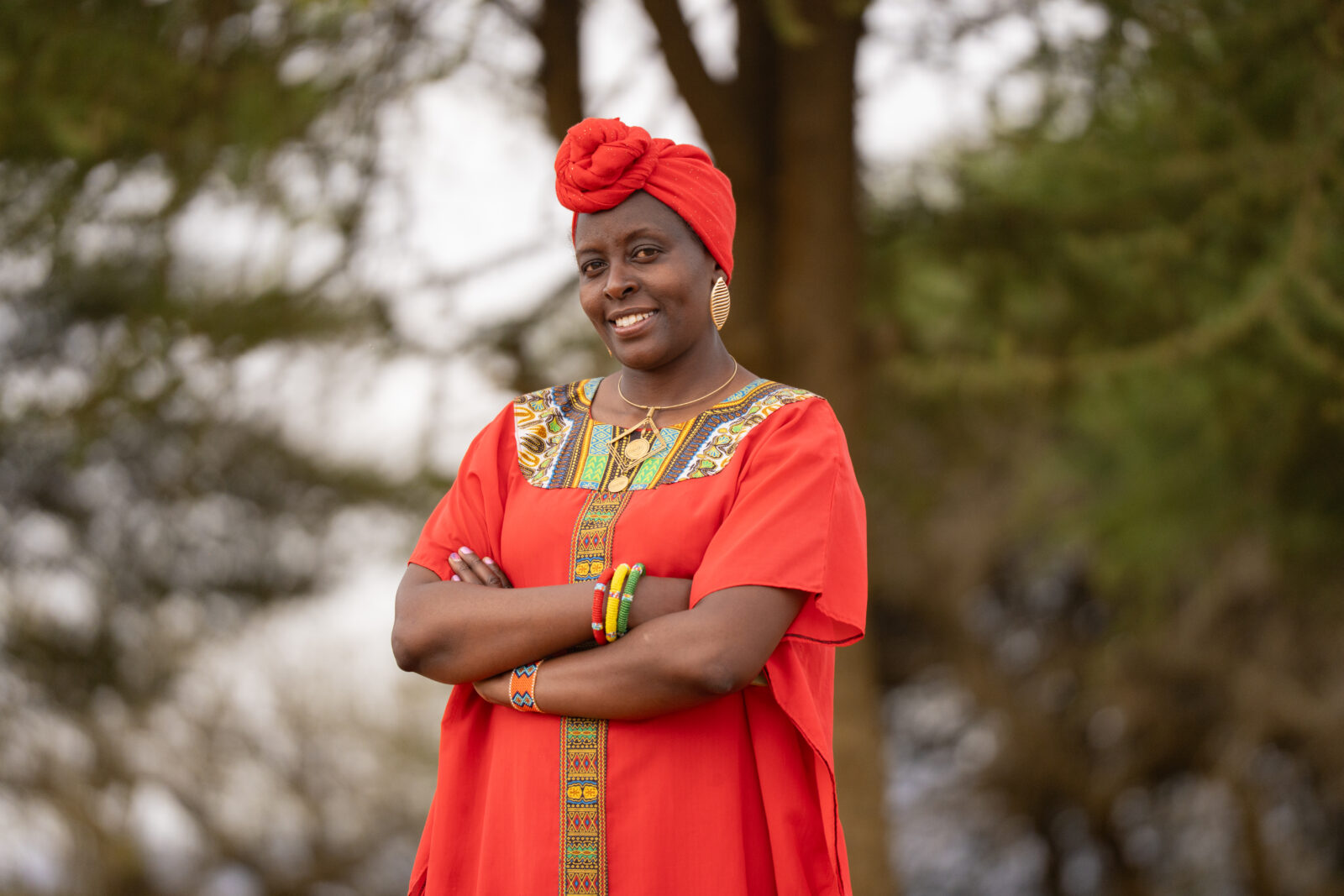
In 2025, 187,667 children received better education thanks to investments in teaching methods, school development, and safe learning environments.
Teachers are the key to sustainable quality education. This year, 11,994 teachers developed their pedagogical and teaching skills, with demonstrable improvements in:
- student-centred teaching
- differentiation and inclusion
- classroom management
- active, participatory teaching methods
The STAR school model and its further development – such as the Green STAR programme in Malawi – helped schools to embed quality standards and establish a culture of continuous improvement.
Basic Education
187,667 children
received better education

Basic Education
11,994 teachers
developed their pedagogical and teaching skills
Skills for Work and Life: Empowering young people with skills for work and life
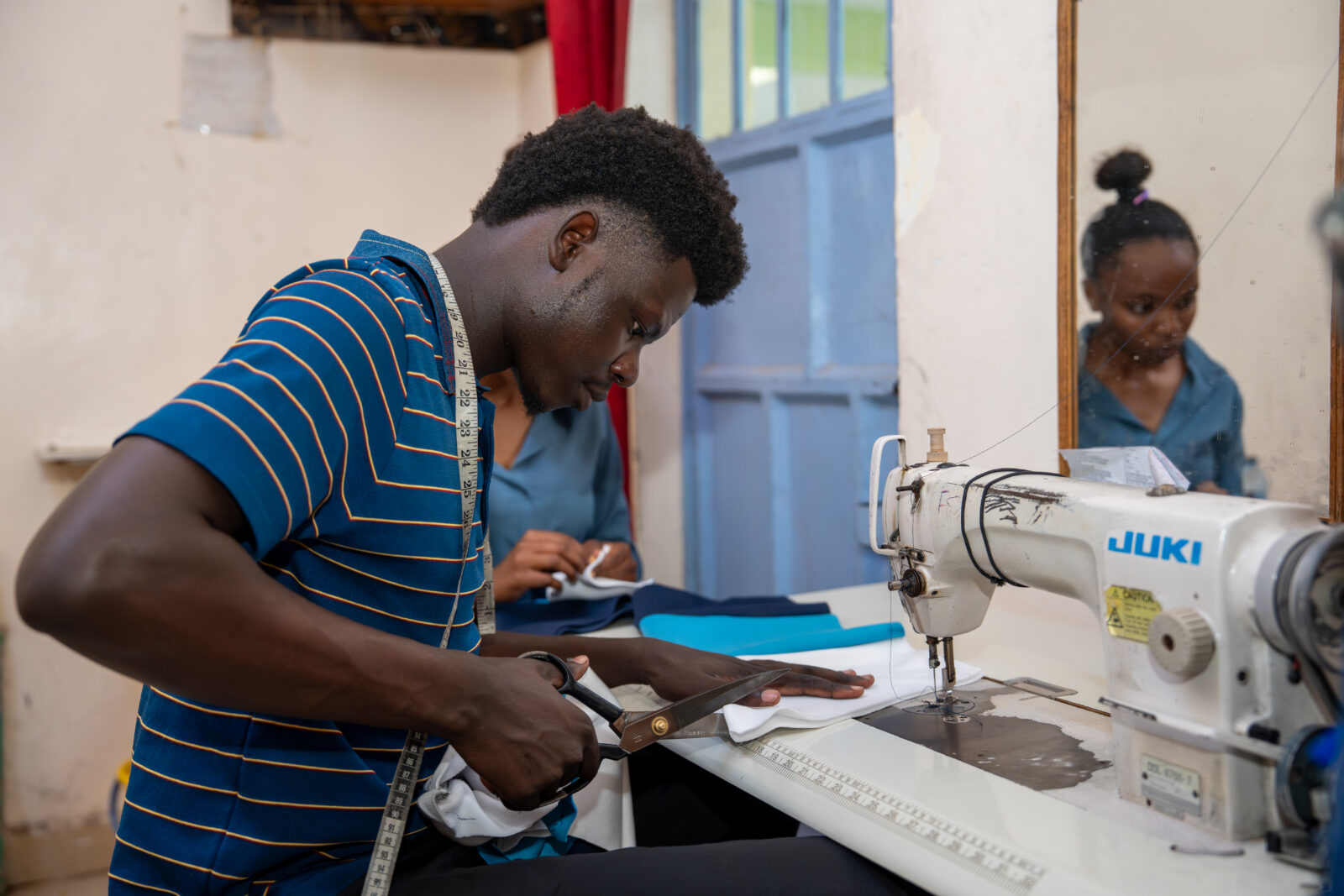
We have supported young people on the threshold of the labour market or entrepreneurship. In 2025, we supported 22,210 young people in developing:
- technical skills
- digital skills
- entrepreneurial competencies
- life skills such as communication, self-confidence,and problem-solving
To achieve this, 494 teachers strengthened their capacity to teach future-oriented life skills. This approach contributes directly to our impact goal: enabling young people to shape their future with confidence and gain access to decent work.


Skills for Work and Life
22,210 young people
supported
Skills for Work and Life
494 teachers
strengthened their capacity
Education in Emergencies: Education in crisis situations
Our reach in Education in Emergencies has decreased in 2025 due to external factors, including USAID funding cuts and reduced contributions from the United States to UNHCR and UNICEF. While Edukans has been selected for new multi-annual partnerships, funding from UN organisations was not available to implement projects. This has impacted our reach. In 2025:
- 108,300 children and young people gained access to education in crisis situations
- 7,472 teachers were trained in child-centred pedagogy, psychosocial support,and the guidance of vulnerable pupils
We see that these investments not only ensure the continuity of learning, but also contribute to the safety, well-being and resilience of children.
Education in Emergencies
108,300 children and young people
gained access to education
Education in Emergencies
7,472 teachers
were trained
What we learn from implementing our learning agenda
Evaluation: Change is visible
In 2025 we evaluated six programmes within Basic Education, Education in Emergencies, and Skills for Work. The evaluations paint a consistent picture of broad and sustainable improvements in schools, TVET institutions and communities. Through integrated approaches – which strengthen pedagogy, the learning environment, protection, and community engagement – educational practices are visibly changing. In basic and emergency education, classroom practice is shifting towards interactive and inclusive learning because of teacher training. Teachers feel more competent and motivated, whilst pupils participate more actively and build self-confidence. Micro-projects, greening initiatives, improved WASH facilities, digitalisation and infrastructure improvements enhance both the daily learning environment and psychosocial well-being.

As programmes run for longer, structural changes become more apparent. Schools are incorporating new educational models, such as competency-based learning, inclusion and psychosocial support into their policies and working methods. Community relations deepen as parents, local authorities, and partners contribute more actively to a safe and stimulating learning environment. This increases inclusion, enabling more girls, children with disabilities, and other vulnerable groups to successfully complete their education. Stronger leadership and more professional teams enhance the resilience of institutions.
The impact is visible in improved learning outcomes, higher progression rates and lower dropout rates – with positive effects on child labour and health. This was, for example, visible in the For Every Child a Future II-project in Ethiopia where teachers at 32 test schools were trained in applying Active Teaching and Learning techniques in their classrooms. The average marks scored by the pupils attending these target schools (on a scale from 0-10) went up from 4,7 in school year 0 (baseline) to 6,6 in year 3 (endline). At the 32 control schools, which were not receiving training from the project, there was also a small increase in learning results compared to the baseline (from 5,0 to 5,5), but far less significant. During this project, absenteeism decreased which resulted in several schools to a 100% transition to secondary school. Schools are developing into safe, stable environments with improved facilities and a greater focus on protection, social skills and, in the case of Education in Emergencies, trauma recovery.
Clear improvements are also evident in the Skills for Work programmes. Young people are enhancing their digital, social, and entrepreneurial skills through increased work-based learning and an increased balance between theory and practice-oriented lessons. TVET institutions are professionalising their systems, implementing Competency Based Education and Training (CBET), and creating more inclusive learning environments. Partnerships with employers are leading to better alignment with the labour market. TVET institutions are implementing structural policy and curriculum changes. In follow‑up programmes, we will strengthen post‑training support, financial access, entrepreneurship development and stronger supply chains to further strengthen employability outcomes. More detailed information can be found in the project highlights.

Building on structural change
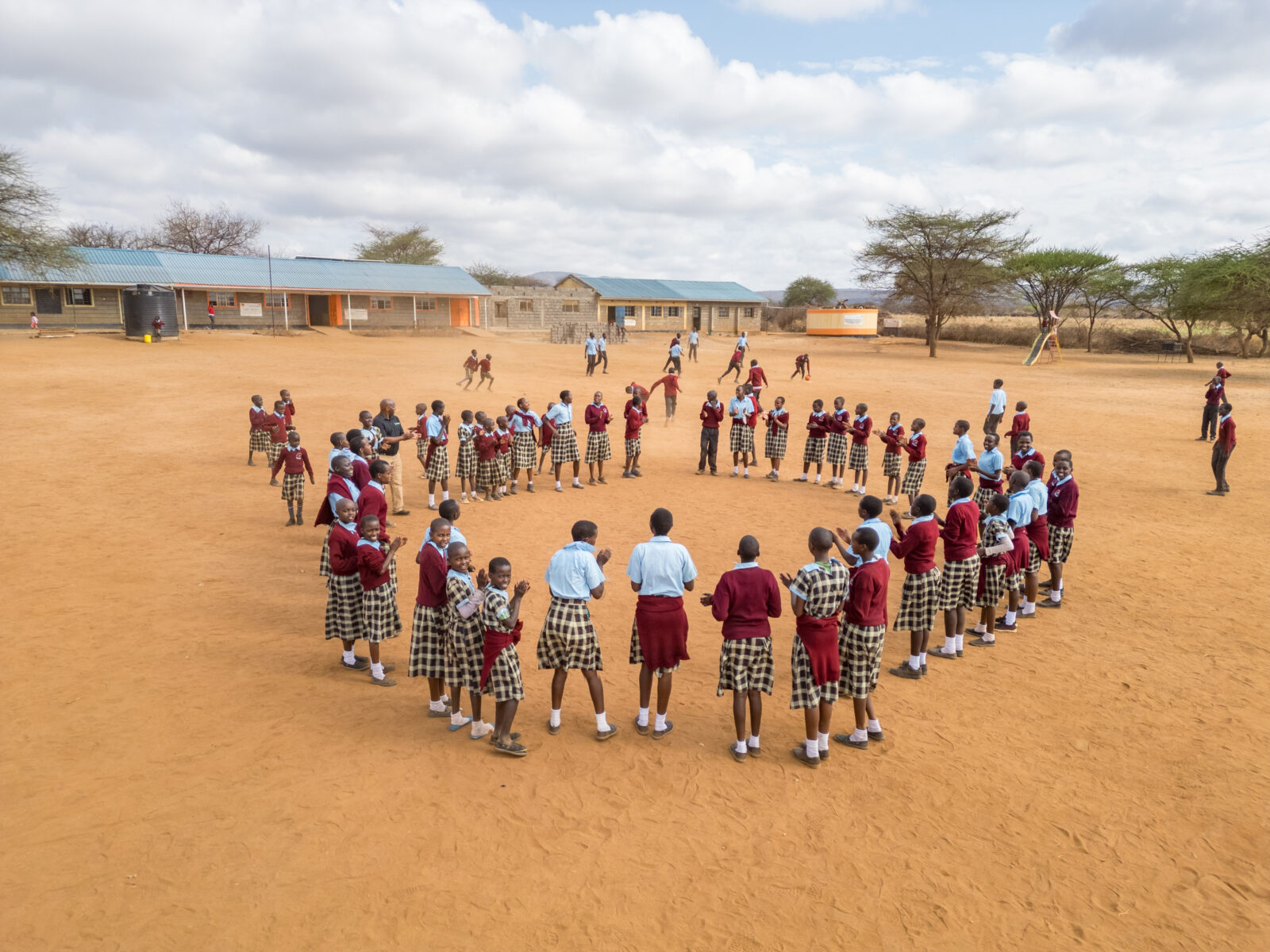
Our results in 2025 demonstrate both the strength of our programmes and the growing influence of our strategic partnerships. By strengthening education systems and empowering both young people and teachers, we help create the conditions for lasting impact. As national governments increasingly embed our methodologies within their own policies and programmes, our contribution becomes more structural and far‑reaching, amplifying both our reach and our influence. Our projects create the foundations for sustainable, system‑level transformation. With every step we take, we remain committed to ensuring sustainable impact and creating a brighter future for the children and young people we serve.
Research & validation: Establishing Edukans as a Knowledge-Driven Organisation
Improving education in a sustainable way requires understanding what works, why it works, and how it can be applied in different contexts. Edukans is therefore increasingly adopting an evidence‑based approach. We aim to develop, test, and refine practical education models and methods so that we can offer proven, ready-to-use approaches to local organisations, schools, and governments. By investing in research, testing, and validation, we help ensure that effective solutions can be implemented and scaled without each organisation having to take on the risks and costs of developing them from scratch. In this way, Edukans contributes to strengthening education systems with approaches that are both evidence-informed and practical for real school environments.
Although this approach will become even more central in our new strategic period, the foundations are already visible in our current work. Two recent initiatives illustrate how Edukans is combining research, practice, and learning to strengthen education models: Back to Basics (literacy and numeracy) and the Green Star project, implemented with the support of ASML and Stichting Dioraphte. These initiatives were designed not only to deliver results, but to generate structured learning about how effective models can be refined and sustained. Both projects applied a Design-Based Research approach, working through iterative cycles of exploration, co-design, implementation, assessment and improvement. Teachers, school leaders and communities were actively involved in shaping and testing interventions. By grounding each step in real classroom conditions, such as large class sizes and limited resources, we ensured that solutions were practical, context-sensitive and transferable.
In Kenya, the Back to Basics initiative focused on strengthening foundational literacy and numeracy in primary education. The project worked in close collaboration with schools to refine teaching practices to enhance foundational literacy and numeracy, and to strengthen parental engagement in supporting learning. Rather than introducing a fixed model, the project used iterative cycles to improve classroom practice step by step, documenting what proved effective in semi-arid contexts. In doing so, the initiative moves from identifying promising approaches to demonstrating how they can work sustainably in everyday school realities.
The Green Star project followed a similar trajectory in Malawi. It focuses on validating and strengthening an integrated model for green education and community engagement at school level. The model supports schools in embedding school gardens in daily teaching practice, student leadership and community involvement. In its second year, the intervention is being implemented in Kenya to test how well the model performs in a different context and to assess its transferability across countries.

Highlights of the year

3. Highlights of the year
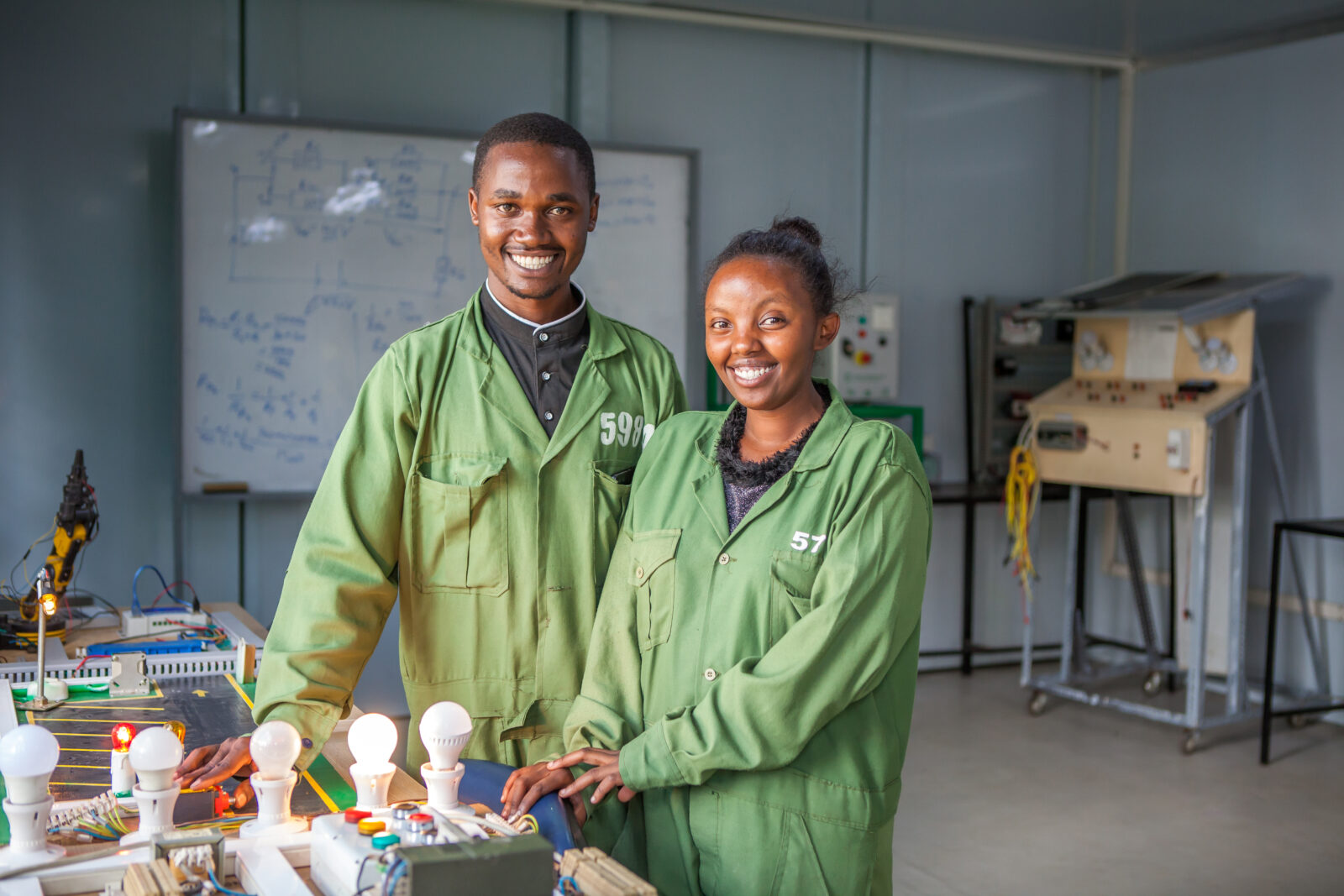
Project Highlight – Skills for Work and Life
Wear the Green Future: ‘From fast fashion to sustainable futures’
The fashion industry in Kenya and Ethiopia is growing fast, but is polluting enormously. And while the industry is growing, youth unemployment remains high. With the support of the Postcode Lottery, Wear the Green Future (WtGF) aims to empower young people engaged in fair fashion with the skills needed to drive sustainability and circularity in the textile industry. In this way, they become the drivers of a circular fashion and textile sector. Simultaneously, it supports companies in building their capacity for waste management and circular practices, contributing to sustainable job creation and climate change mitigation. To create lasting impact, WtGF focuses on systemic change in Kenya and Ethiopia through collaboration with young people, TVETs, the private sector, and governments.

Sector-wide system change
- A milestone: circular education has been embedded in the Cotton, Textile and Clothing Policy. Thanks to Edukans’ networking events, a strong presence at Fashion Weeks and national publicity in both Kenya and Ethiopia, Edukans has successfully put itself on the map with Wear the Green Future in this first year after its launch.
- Policy influence took place at a national level and there was more interest than expected from the government and the education sector. Collaborations have been started with governments and industry organisations. These include: Ministries of Industry and Trade and Education, the State Department for TVET, Kisumu National Polytech and the Ministry of Labour and Skills.
- Significant interest from vocational colleges: cooperation agreements signed with initial vocational training programmes. To reach 4,600 young people, we focused on more than 50 vocational colleges in Ethiopia and Kenya. We also trained 500 vocational college teachers and trained 19 master trainers.
Development of a green curriculum
- In both Kenya and Ethiopia, three green training modules were developed based on intensive market research and sector analyses: fashion design, textile production, textile dyeing
- Innovation through the application of blended learning and Design Thinking training methods for teachers and students.
Stimulating circular entrepreneurship
- Strong local visibility and stakeholder involvement
- Development of a toolkit for the fashion and textile sector in circular entrepreneurship. Scaling up thanks to e-learnin
- 33 start-ups and 20 textile companies started their training in circular skills and received guidance in entrepreneurship.
The goal of the Wear the Green Future movement is to reduce waste, water pollution, and CO₂ emissions across the textile industry and promote economically viable practices for future generations. Through Wear the Green Future, Edukans is not only strengthening vocational education but also supporting a systemic shift toward a more sustainable, inclusive, and future-ready fashion and textile sector.


CASE STUDY: How young people like Faith (33) are redefining Kenya’s fashion industry
In Kenya’s textile sector, waste and unemployment pose major challenges, but Faith Nyatichi is proving that small businesses can drive big change. Through Fanya Creatives, she transforms fabric scraps into high-value products, creates jobs for youth, and models a scalable, sustainable approach to fashion. With support from Edukans’ Wear the Green Future program, Faith’s journey shows how skills, mentorship, and circular design can build a greener economy. Discover how Faith’s story is inspiring a movement!
“Even as a small business owner, I can contribute to change. With the help of a business coach, we identified areas for improvement in our company to ensure sustainable growth. For me, sustainability means making our company future-proof. This programme will take Fanya Creatives to the next level and give fashion students the opportunity to develop skills within the company and contribute to employment. We are eager to grow, but we want to do so while preserving the environment.”
- Faith, business owner Fanya Creatives, Kenya
Project Highlight – Education in Emergencies
School Greening in Ethiopia
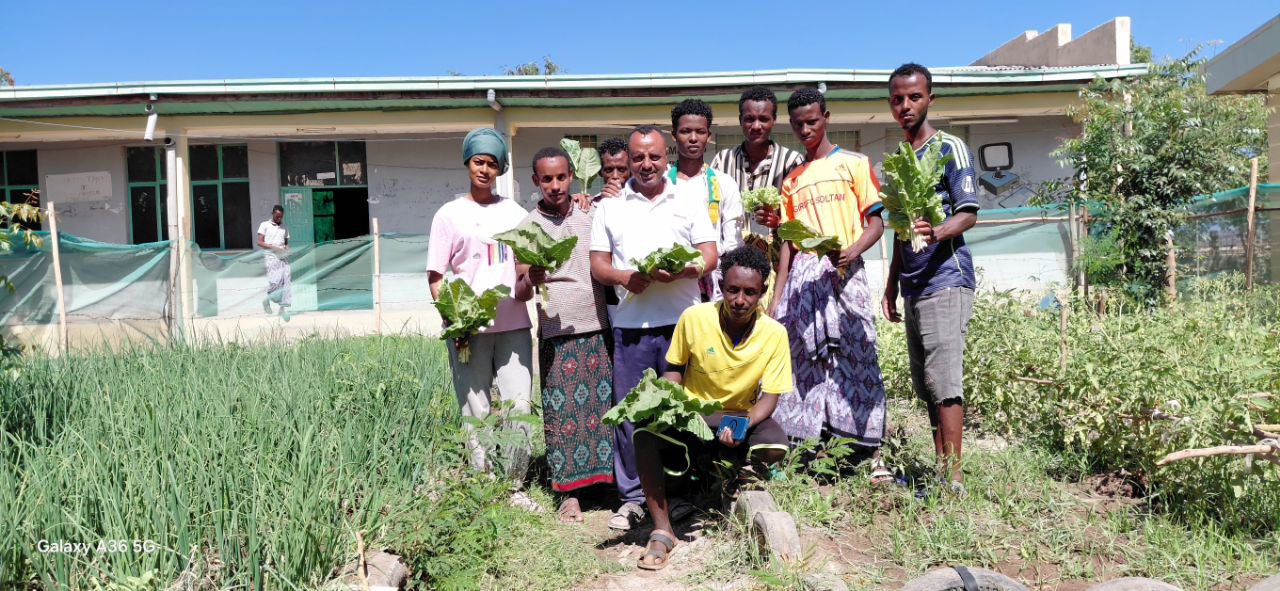
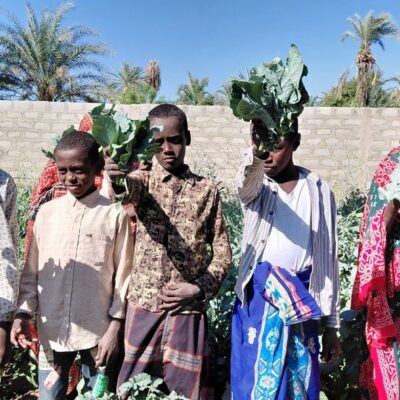
Ethiopia suffers from recurring severe droughts and erratic rainy seasons. The far north of Ethiopia is one of the regions most affected by drought and flooding. In the Afar region, we work to ensure that children continue to attend school during times of crisis. In 2025, Edukans Ethiopia’s Greening Schools and Communities project demonstrated how climate change education can generate tangible and lasting impact when it is embedded across schools, households, and teacher training institutions. Implemented in three primary schools, one high school, one College of Teacher Education, and more than 80 surrounding households, the project reached learners, educators, and families through a practical, community-centred approach to climate resilience tailored to the Afar context.
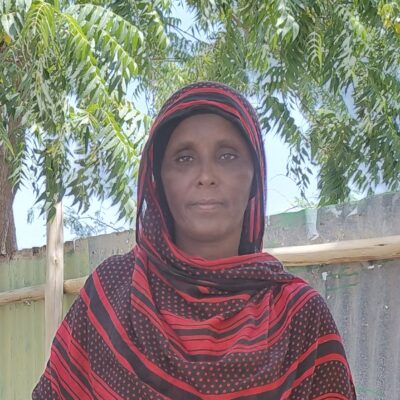
“My dream is to see Ethiopia green and thriving. Through this project, I am learning how to grow and sell vegetables, providing for my family and contributing to our local economy. It has inspired me to become an agricultural investor and lead development work that supports our country.”
- PTA Member, Afar Region

CASE STUDY – How climate-smart education is keeping children in school during crises in Ethiopia
Edukans ensures that children can continue to learn and grow, even in challenging conditions and crisis situations. This is also the case in northern Ethiopia, where prolonged drought, flooding and conflict make life a major challenge for people in the Afar region. With support from the Greening Schools and Communities project, we can clearly see the positive impact on the life of teacher Mohammed, his students and the whole community around them. This case study demonstrates how integrated climate education can secure learning for children, improve food security, and build long-term school and community resilience.
“Our model garden is more than a classroom; it is a training ground for future teachers. By combining green development principles with hands-on practice, we ensure graduates are ready to promote environmental stewardship across schools nationwide.”
- Teacher, Afar Region
Project Highlight – Basic Education
Leaders in Teaching, Uganda
In 2025, Edukans Uganda took part in the Leaders in Teaching (LIT) programme Uganda consortium funded by the Mastercard Foundation. Following an extensive preparatory phase, the contract was signed in October 2025 and implementation officially commenced. The Leaders in Teaching (LIT) programme aims to transform secondary education in Uganda by building the capacity of teachers and school leaders to enable young people to acquire skills, knowledge, and competencies necessary to access dignified and fulfilling employment.
The five-year programme (2025–2030) aims to strengthen Uganda’s teacher workforce and school leadership to ensure young people acquire the skills, knowledge, and competencies needed for education and employment. LIT adresses critical challenges in the teacher lifecycle through four key programmatic pillars: (1) Teacher Recruitment, (2) Teacher Training, (3) Education Leadership and Management, and (4) Teacher Motivation. LIT Uganda will directly reach 67,000 in-service teachers, 7,500 pre-service teachers, 300 tutors, over 6,000 school leaders, and provide targeted support to 1,000 female STEM student teachers, including groups living in a region where access to education is limited.
As part of the multi-partner consortium led by Luigi Giussani Foundation, Edukans contributes primarily to the TRAIN pillar, led by the British Council. This pillar focuses on equipping educators with inclusive, innovative, relevant, and gender-responsive pedagogical methods to ensure effective implementation of Uganda’s Competency-Based Curriculum (CBC), improving learning outcomes and preparing young people for lifelong learning and successful transition to work.
Edukans’ strategic role includes digital innovation and community engagement. Together with our partners, we lead the development and management of a Learning Management System (LMS) delivering online training in life skills, entrepreneurship, financial literacy, and gender-responsive pedagogy. The LMS provides interactive training, self-assessments, and resources for 7,500 pre-service teachers and 300 tutors, supporting blended learning and adaptation to diverse school contexts. Edukans also digitises teacher training modules, embedding inclusive, gender-sensitive, and ICT-enabled practices. By integrating life skills, mental health awareness, menstrual hygiene management, and entrepreneurship into teacher training, Edukans ensures new teachers are prepared to foster supportive, inclusive, and effective learning environments in schools.
Additionally, Edukans mobilises parents and communities to support the CBC rollout, strengthening local ownership of education reforms. This includes training local government representatives, school boards, and faith-based organisations to facilitate dialogue and resource mobilisation, with a focus on the re-entry and retention of girls affected by COVID-19 school closures. Edukans also develops and distributes educational materials in local languages and conducts community meetings.
Project highlight Basic Education
Building Education Foundation Through Innovation and Technology (BEFIT) in Malawi
The Building Education Foundations through Innovation and Technology (BEFIT) programme is a flagship initiative from the Ministry of Education, Science and Technology, designed to strengthen foundational literacy and numeracy skills among learners in Standards 1–4 across Malawi. With the support of a growing consortium of implementation partners, funders, and researchers, the BEFIT programme will reach 3.8 million children annually by 2029.
The programme was launched in 2024 and places education technology (EdTech) at the center of its implementation, delivering child-centred, adaptive learning through tablet-based instruction tailored to individual learner needs. The programme is aligned with the national curriculum, utilises existing government systems, and is integrated into school timetables for long-term sustainability.
Edukans Malawi serves as the Implementation Support Partner (ISP) in several districts. In this role, Edukans provides comprehensive technical and operational support at district, zonal, and school levels. This support includes facilitating capacity-building trainings, strengthening data collection and reporting systems, documenting implementation challenges, and fostering collaboration between schools and surrounding communities. Edukans is also supporting teachers to adopt effective instructional practices that enhance programme outcomes.
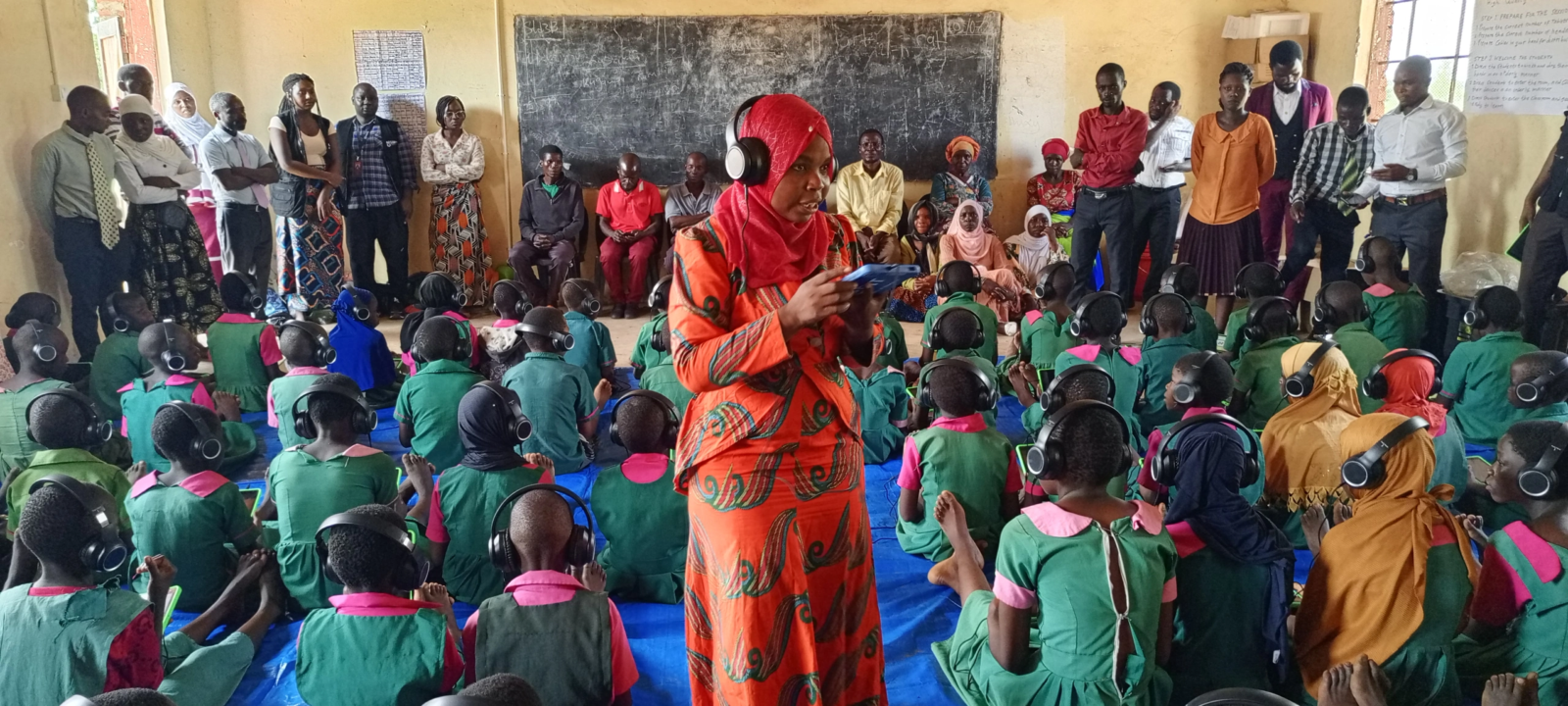
BEFIT actively engages school leadership, teachers, learners, and community members to create an enabling environment for improved learning outcomes. By October 2025, Edukans supported 93 public primary schools across Mangochi, Machinga, Zomba and Chikwawa. As a result, 2,113 teachers received specialised BEFIT training. The programme reached 78,783 learners, including 2,150 learners with disabilities. Additionally, 61,280 community members were engaged. These numbers demonstrate BEFIT’s commitment to the inclusion of learners with disabilities, and community engagement as essential pillars for sustainable education reform.
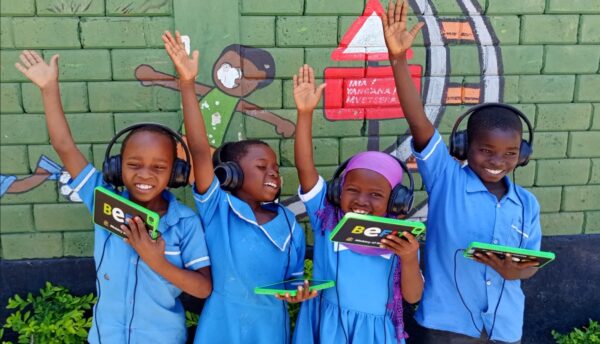
“Since we started using tablets in the classroom, my students have been achieving better results in reading, writing, and math. In addition to access to knowledge, tablets also provide crucial skills, such as critical thinking and problem-solving. Teaching digital skills at a young age lays an important foundation for their future.”
- Charity, teacher Chimwala Primary School, Malawi

CASE STUDY: How Edukans Malawi brings inclusive education to life for learners like Belington
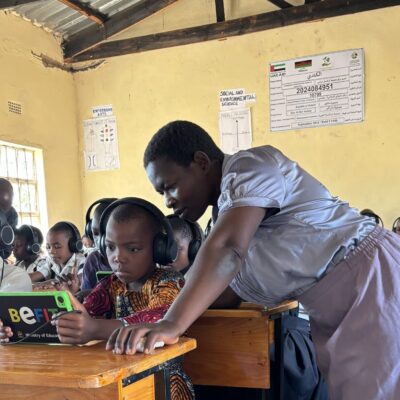
We believe every child deserves the chance to learn, grow, and thrive, no matter their circumstances. In Malawi, the BEFIT programme demonstrates how adaptive, tablet-based learning can improve literacy, numeracy and inclusion in primary schools. For 10-year-old Belington Thomas, who faces the challenge of navigating regular education as a deaf boy, this programme with its clear child-centred approach is creating a lasting change to fulfil his potential and build a better future. Read the case study (externe link) to find out how the support of Edukans makes all the difference for learners like Belington.
Project Highlight – Basic Education
Strenghten Education in cocoa districts in Ghana
In 2023, Edukans and Savana Signatures launched the two-year project, funded by the Chocolonely Foundation. The project, which finished in June 2025, aimed to improve teaching quality and parental engagement in fifteen school communities within the Asetenapa cooperative, Eastern Region. The goal was to support 2,608 children stay in school, improve their learning outcomes, and complete their education.
In cocoa-growing areas, many children struggle with basic skills, only 30% of adolescents aged 10–14 reach grade 3 reading levels, with even lower rates in numeracy. Girls face additional barriers such as early pregnancy and child marriage, leading to school dropout. Implementation of the project focused on three domains:
- Improved teaching and learning practices through the Teaching with Impact (externe link, opent in nieuw tabblad) approach,
- Integration of Social and Emotional Learning (SEL) (externe link, opent in nieuw tabblad) and Reproductive Health Education (RHE) into classroom practice
- Srengthened parental and community engagement.
These activities led to outputs such as 186 teachers trained, 30 SEL/RHE facilitators equipped, 15 schools supported establishing 5 active Child Protection Committees. Parents and community leaders were also engaged in structured dialogues to promote child protection and girls’ education.
These outputs translated into observable outcomes across all domains, for example, teachers adopted learner-centred methodologies through Edukans Teaching with Impact approach. Observational data from the endline assessment showed that over 85% of teachers demonstrated a learner-centered teaching style, showing a shift in both teaching practices. Professional development in lesson planning, supervision, and concept building supported the uptake of these methods, which are beginning to influence classroom quality.
Anecdotal evidence and BECE data from head teachers and teachers suggest gradual improvements in learning outcomes, particularly in Suhum. During the project, Suhum has demonstrated consistent and substantial improvement in pass rates, in the sample schools, especially in 2024, where both genders surpassed the 50% threshold.
Basic Education Certificate Examination
Footnote: While Suhum demonstrated consistent improvements in pass rates and learner engagement, Ayensuano’s results were more variable. This discrepancy may be attributed to different contextual factors in the two districts.
Learner‑centred teaching was used to integrate Social and Emotional Learning (SEL) and Reproductive Health Education (RHE) into classroom practice. Teachers and school leaders now embed these topics into daily routines, strengthening students’ skills in emotional regulation, resilience, and informed decision‑making. Knowledge, Attitudes, and Practices surveys show gains in SEL and RHE understanding, which are strong indicators of improved well‑being.
Community members and parents became increasingly engaged. This is also reflected in the establishment of functional Child Protection Committees, increased parental involvement, and stronger collaboration with local government structures.
While long-term outcomes are still emerging, early signs show promising progress across teaching quality, student retention, and community ownership. The project strengthens education and builds supportive communities for long-term positive outcomes.
Read more about our work in Ghana (externe link, opent in nieuw tabblad)
Project Highlight – Lobby & Advocacy
Education back on the political agenda

In the election year 2025, Edukans, together with other members of the Global Campaign for Education Netherlands (GCE NL), intensified its lobbying efforts for education within Dutch development cooperation policy. Through position papers, campaigns, and meetings with politicians and policymakers, we delivered a clear message: the development cooperation budget must be restored to the OESD-norm 0.7% of Gross National Income (GNI), and education is the foundation of sustainable development within that budget and therefore deserves structural priority.
This joint effort yielded results. Education within development cooperation is once again firmly on the political agenda and has been explicitly included as a priority in the new coalition agreement. In addition, planned budget cuts have been partially reversed, and an additional €257 million per year has been made available for education and youth in the Global South among other areas. This marks an important step toward structural investments in opportunities for children and young people worldwide.
Project Highlight – Basic Education
Action for Life Skills and Values in Kenya
In Kenya’s Arid and Semi-Arid Lands (ASALs), children and young people face complex social and structural challenges that threaten their wellbeing, education, and future opportunities. In Kajiado county, exposure to drug use and trafficking, domestic violence, harmful cultural practices, and economic vulnerability have contributed to school dropouts, adolescent pregnancies, and limited life choices for many learners. The Action for Life Skills and Values (ALiVE) Programme, implemented under the Children on the Margins initiative with the support of Porticus, responds directly to these realities by strengthening children’s agency and resilience through education. The project’s overarching goal is to ensure that children in ASAL contexts are equipped with the life skills and values needed to make informed decisions, navigate adversity, and actively shape their own development. Working in partnership with local civil society organisations and education stakeholders, Edukans is integrating Life Skills and Values (LS&V) education into public schools, complementing academic learning with social and emotional competencies that support holistic child development.
In Kajiado County, the project is currently integrating LS&V education in 50 public schools, guided by the Star School Model. To date, 100 teachers and 50 school leaders have been trained and mentored to embed skills such as self-awareness, communication, decision-making, and character development into everyday teaching and learning. These competencies are reinforced through co-curricular activities, including clubs, sports, and games, and strengthened further through the active engagement of parents, guardians, and communities. Importantly, the project ensures inclusion by reaching children in rescue centres and children’s homes, many of whom are among the most vulnerable.
A major milestone has been the collaborative development of LS&V training materials through a multi-stakeholder process involving the Ministry of Education, Teachers Service Commission, Kenya Institute of Curriculum Development, and education experts. By aligning LS&V content with the Competency-Based Curriculum, the programme is laying the foundation for long-term, system-wide adoption. Through ALiVE Kenya, Edukans aims to positively impact over 21,000 learners. Beyond the classroom, the project is strengthening collaboration across the education system. In preparation for increasing community capacity to nurture values-driven, resilient learners, we also developed IEC materials contextualised for the parents and local community in Kajiado. With Porticus’ support, ALiVE Kenya is contributing to a more inclusive, responsive education system. One that equips children not only to stay in school, but to thrive.

Project Highlight Basic Education
Harnassing the sun: a climate-smart project in Malawi
Edukans Malawi, in collaboration with the Ministry of Education, implemented a one-year project titled “Harnessing the Sun for Improved Learning Outcomes and Sustainable Development” in Lilongwe West Education District, with financial support from EDP, a Portugal-based organisation. The project has strengthened learning environments and promoted sustainable development through renewable energy, environmental education, and climate-smart school initiatives.
Project Goal and Approach
The goal of the project was to improve educational outcomes for learners in 10 targeted primary schools by enhancing teaching quality, increasing access to clean solar energy, and promoting green practices. Key interventions included baseline assessments, development and distribution of Teaching with Impact (TWI) manuals, capacity building for school leaders and teachers, mentorship programmes, installation of solar power systems, establishment of school gardens, orchards, woodlots and continuous monitoring and evaluation.

Reach and Beneficiaries
The project directly reached 12,992 learners, including 558 learners with diverse or special educational needs. In addition, 192 teachers benefited from professional development and mentorship activities. The project also positively impacted an estimated 20,000 community members. They were trained in the management and maintenance of solar energy equipment while others gained knowledge and skills in farming, environmental management and the use of solar energy as an income generating activity.
Key Results and Achievements
All of the 10 targeted schools were equipped with solar energy systems, significantly improving lighting conditions and supporting a conducive teaching and learning environment. The project also established functional school gardens and woodlots, with schools planting a total of 10,219 trees, contributing to environmental conservation and climate change mitigation. Strong collaboration between Edukans and the Ministry of Education enabled the successful acquisition of a duty waiver for imported solar equipment, ensuring efficient implementation. Learners acquired knowledge applicable beyond the classroom, for example, transferable skills in vegetable production and tree planting, which they were then able to use in their households and communities. As the first initiative of its kind in the district, the project demonstrated a scalable model for integrating renewable energy and green education into primary schools. Edukans will continue engaging EDP and other partners to expand these interventions to additional schools across Malawi.

Project Highlight – Skills for Work and Life
From excluded to employed: the EASY project, Uganda
Edukans’ EASY project bridges the gap between education and employment by offering training in coffee and poultry trades and value chains (from farming to processing and marketing), agricultural sectors with real job potential in Uganda. But it’s more than just technical skills: participants learn life skills, entrepreneurship, and green practices to build sustainable livelihoods. By partnering with employers, financial institutions, and local experts, Edukans ensures training is inclusive and tailored to communities with special needs. The goal? Not just jobs, but self-employment and pathways to a decent income.
Empowering Agricultural Skills for Youth and women for green growth (EASY) saw the creation of 6 community based training centres, that were established in line with the Uganda TVET 2025 Act, where 235 youngsters are undergoing a 6-month vocational training programme. Special attention was paid to young people with special needs: educational dropouts, people with disabilities (PWDs), but also refugees and young mothers.
A start has been made to include those active in the industry in the co-development of training programmes to integrate green skills, entrepreneurship, and digital competencies, ensuring alignment with market needs. Access to finance through partnerships with Savings and Credit Cooperative Organisations (SACCOs) and microfinance institutions, will further support young people in launching their own businesses. Inclusivity is central in this project, therefore Edukans has built in conditions to embed gender equality and disability inclusion across all interventions by adopting flexible training models targeting local communities with special needs.

Project Highlight – Skills for Work and Life
Youth-to-Youth Fund: Empowering Young Entrepreneurs in Ethiopia
In 2025, Edukans continued its transformative work in Addis Ababa and the Somali region of Ethiopia through the Youth-to-Youth Fund (Y2YF) “PROSPECTS Opportunity Fund”. This project, delivered in partnership with ten dynamic youth-led organisations, focused on equipping young people with the skills, resources, and confidence to launch their own businesses. Participants received access to funding, training, technical support, and long-term coaching, enabling them to develop professional skills, collaborate, and invest in their futures.
The initiative specifically targeted young people facing challenging circumstances, including refugees and those unable to afford education, ensuring that 1,037 young people, 64.5% of whom were female and 3.7% persons with disabilities, gained suitable tools for sustainable advancement of their businesses.
By the end of 2025, the project had created 722 jobs, including 319 secondary positions, and connected 638 young entrepreneurs to formal banking and e-commerce platforms. A total of 317 initial grants helped transition informal traders into formal, tax-paying enterprises, while fostering collaboration between refugee and host communities. Sectors such as digital tech, creative services, agri-business, and sustainability flourished, with start-ups ranging from coffee shops and laundries to eco-friendly manufacturing.
Y2YF strengthened sustainable economic transformation, social cohesion and youth leadership. Evaluations revealed that participants not only improved their mental and physical well-being but also enhanced their social skills and employability. Edukans Ethiopia’s 2025 results reflect a clear transition toward system-level impact, moving from access to sustainability, from emergency response to integration, and from youth support to economic transformation. Education and youth empowerment are not only development priorities; they are drivers of long-term, inclusive growth

Edukans’ positioning on education

4. Edukans’ positioning on education
Education on the political agenda
In 2025, Edukans actively participated in the Global Campaign for Education, both as a member and, once again this year, as chair. GCE is driven by the conviction that education is a universal human right and that quality education for all is achievable. Over the past year, GCE and GCE-NL and its partners worked intensively to advocate for and support quality education in the Global South, at both national and international levels. This was done in close collaboration with GCE organisations across Europe and North America. All Edukans country offices are members of GCE. Our advocacy and lobby work is illustrated by the examples below.
Trough the sector organisations Partos, Edukans supported broader campaigns such as “The Netherlands is not an island” and and Foundation for Global Citizenship initiatives advocating for increased investment in development cooperation and the strengthening of global citizenship.
Advocacy in Uganda
In 2025, Edukans Uganda advocated for a shift in policy to align supervision of secondary education by the District Education offices. This was done through capacity building, mentorship and coaching of education offices and the District Executive Committees. Edukans has established Community Based Training centres to provide vocational skills training as part of our Skills for Work and Life programmes. We are also advocating for government approval and accreditation of these centres as permanent training institutions.
Advocacy in Kenya
Edukans Kenya continued to advance strategic advocacy efforts aimed at shaping a more inclusive and sustainable textile and garment sector. Through our flagship Wear the Green Future (WtGF) initiative, Edukans Kenya played a key role in supporting the development and launch of Kenya’s national Cotton, Textile, and Apparel (CTA) Policy, developed in collaboration with the Ministry of Industry, Trade and Investments (MITI). The CTA Policy is expected to catalyse sector-wide transformation by strengthening links between education, industry, and communities, while unlocking new opportunities for youth employment, enterprise development, and sustainable industrialisation across Kenya. We have contributed to the development of Cotton, Apparel and Textile policy in collaboration with Ministry of Industry, Trade and Investment in an effort to streamline circularity and sustainability. In the coming years, we will develop policy briefs and cabinet memo to advocate for multisectoral interventions in greening the textile sector.
The State Department of Industry recognized Edukans Kenya for their efforts and participation in the development and launching of the policy. This milestone reflects our commitment to influencing policy frameworks that promote green growth, decent work, and value-chain development within the sector.

Advocacy in Malawi
Edukans Malawi participated in the NGO Governance, Compliance & Leadership Summit (externe link, opent in nieuw tabblad), organized by the NGO Regulatory Authority (NGORA). The summit brought together NGO leaders, policymakers, regulators and private sector partners to reflect on good governance, legal compliance and sustainable leadership within Malawi’s NGO sector. Thomas Kanjodo emphasized the need for green education in Malawi’s national curriculum. He highlighted the role of NGOs in leading by example, ensuring learners are equipped to address climate change and environmental challenges.
Edukans Malawi also reinforced its commitment to ending child labour by participating in the World Day Against Child Labour, where it showcased its education programmes. Over 2 million children in Malawi are affected by child labour. Ending child labour requires addressing its root causes, including poverty and limited access to education. Through an advocacy pavilion, Edukans engaged stakeholders—including the Minister—highlighting how supportive learning environments reduce child labor vulnerability by keeping children in school. Through this participation, Edukans Malawi reinforced its commitment to promoting education as one of the sustainable solutions to ending child labour in Malawi.
Edukans Malawi again participated in the Salima District Council’s Education Awards Ceremony. Edukans provided financial support for the awards, emphasising the importance of motivating and recognising teachers to improve education outcomes. Edukans also presented the Green Star School Model to 171 headteachers and other education stakeholders. This model integrates school garden activities into lesson plans, fostering practical skills and environmental stewardship. Through this engagement, Edukans Malawi advocated for practical and learner centred learning approaches.

Advocacy in Ethiopia
To strengthen sustainability and policy influence, two advocacy committees were established in 2025. These committees are actively advancing lobbying and advocacy efforts with the Afar Regional Education Bureau (REB) to promote the integration of climate change education and school gardening into formal primary and secondary school curricula, ensuring alignment with the regional context and long-term adoption beyond the project lifespan. A major milestone was achieved at the Aysaita College of Teacher Education, where climate-smart education was institutionalised within the teacher training programme. Climate change and gardening are now embedded in course planning, delivery, and assessment, equipping future teachers with the competencies required to integrate climate awareness and practical environmental learning into their classrooms. This systemic change significantly amplifies the project’s impact, as graduating teachers carry climate-smart approaches to schools far beyond the immediate target area.
Regarding the Wear The Green Future Project, Edukans Ethiopia undertook focussed and result-oriented advocacy work to enhance the awareness at ministerial level by including national, regional and local experts. This advocacy role led to the successful development and accreditation of three dedicated green skills training modules in garment, textile, and fashion design. At a result of the advocacy work, the Ministry of Labour and Skills assigned dedicated working group members to be part of the green skills training module development which are now fully utilised by 16 Polytechnic colleges.

“The transformation in Aysaita is visible: greening initiatives have moved from classrooms into homes and onto dinner tables. As an advocacy committee, we are showing the Afar Regional Education Bureau that this model works. We are committed to expanding climate-smart education across the region.”
- Teacher and environmental club member, Afar Region Ethiopia
Advocacy in the Netherlands
Over the past decade, the political landscape in the Netherlands became increasingly less favourable to international cooperation in general, and to education in the Global South in particular. Due to political choices and the orientation of successive right-wing governments, the internationally agreed OECD norm of allocating 0.7% of Gross National Income (GNI) to Official Development Assistance was abandoned. Education almost entirely disappeared from the political development cooperation agenda and the focus shifted towards other areas. Against this backdrop, Edukans together with its GCE-NL partners, significantly intensified its lobbying and advocacy efforts in 2025.
The year 2025 marked an important political shift. After ten years in which education had not been a priority within Dutch development cooperation policy, education has now been clearly returned to the agenda. During the election period, letters were sent to all political parties conveying the core message that education forms the foundation of all development and should therefore be a spearhead of Dutch development cooperation policy. In the summer of 2025, several position papers were published advocating for the restoration of the development cooperation budget to the internationally agreed OECD norm of 0.7% of GNI, with education as a clear priority within that budget. These efforts had a visible impact. Ten out of fifteen political parties included in their election programmes the commitment to once again link the development cooperation budget to OESO norm. Eight parties explicitly named education as a priority within development cooperation.
“Education is the foundation of all development. Without education, there can be no equal opportunities, no strong societies and no sustainable progress. We want education to be high on the political agenda again. Ultimately, change starts with people who speak out and say that education must be a global priority.”
- Lenneke Hoedemaker, Lobby & Advocacy Officer at Edukans and coordinator of GCE Netherlands

A positive outlook
In the new coalition agreement (beginning 2026), education is explicitly mentioned as a key priority, alongside youth, women’s rights, global health, and food security. The importance of education is explicitly linked to stability, opportunities for young people, and the strengthening of international partnerships. Planned budget cuts have, for the time being, been halted and partially reversed. An additional €257 million per year has been made available for, among other areas, education and youth in the Global South. Thanks to these targeted lobbying efforts, education is once again firmly anchored in political debate and in the new coalition agreement. In the coming period, Edukans will focus on further strengthening parliamentary support and on developing a concrete action programme for politicians and policymakers, ensuring that the additional resources are used effectively and sustainably for education in the Global South. The challenge now is to translate renewed political attention into structural and long-term impact for children and young people worldwide.


Our supporters and partners

5. Our supporters and partners
In 2025, we once again worked alongside a broad and diverse community of partners, including individual donors, foundations, corporations, schools and churches. Their contributions vary in scale and form, but share a common significance: together, we make it possible for children and young people to access quality education. Education is not a charitable gift, but a fundamental right. Through their engagement, our partners help turn this right into reality. Without this collective commitment, our programmes would not exist.
Thanks to this invaluable support, we raised €6,191,144, enabling children and young people in the Global South to gain meaningful skills to work towards a brighter future.
At the same time, we operate in a rapidly changing environment. Global budget cuts and shifting political priorities continue to place pressure on funding within the NGO sector. This context requires us to remain focused, adaptive, and forward-looking. By staying agile and open to change, we continue to safeguard and grow our impact.
In 2025, we laid an even stronger foundation for all our fundraising endeavors, building on the strategic path laid out in 2024. We invested deliberately in building and deepening relationships and in gaining a better understanding of what motivates our donors and partners. In parallel, we strengthened our visibility through multiple campaigns and applied a more data-based approach. This combination of relationship-driven fundraising and consistent public presence is essential for sustainable growth and for demonstrating that we are a reliable and professional expert in our field.
We also took a critical look at our role and responsibility in communication. We use language and imagery to advance our mission, while recognising that communication itself is part of our purpose. Words and images are not neutral; they shape perspectives and influence how we understand the world and one another. In response, we developed an inclusive communication guide and strengthened international collaboration in the creation of our communications.
The following sections provide further insight into our partners, activities, and the results we achieved together in 2025.
Thank you for your contribution!
5.1 Sources of income
Sources of income
Private donors
In 2025 we received €2,700,476 from our private donors, a decrease of €267,588 due to a large sum of legacies in 2024. We saw an increase of 5.4% in income from monthly donors who started supporting us after face-to-face acquisition. Acquiring new donors is crucial to maintain our donor base. Face-to-face acquisition remains the best acquisition channel. At the same time, our always on campaign targeted new online audiences to ask them for a donation. A big telemarketing campaign was launched to ask direct debit donors to up their yearly contribution. This campaign lead to an increase in income through telemarketing. Lastly, our donor segments had been revisited to create a new, steady base to build donor journeys that fit the current way of data and donor driven working in our sector.
“Giving comes from the heart, but also from the mind. I am a rational donor. Every five years, I reassess which causes I want to support. Edukans is an organisation that makes a lasting contribution to a better world, because one of the most effective ways to build a sustainable future for people is through education.”
- Edukans supporter Roelant Nieboer
Legacies
In 2025, we updated our information on legacies, including the brochure that can be requested through various channels. This information is regularly used through our own channel or via Toegift. It is notable that people who leave a legacy to Edukans come partly from our own community, but also partly from the education sector. We sometimes know in advance when people have included Edukans in their wills, however, for many others, we are only notified after death, by an executor or notary. Last year, we primarily received legacies in which a fixed percentage of the estate was allocated, which we believe is increasing as an accessible means of legacy giving.
We are incredibly grateful for the trust people place in us when they share their legacy with us. At the same time, we always emphasize the value of knowing the person who wishes to leave a legacy to Edukans, or who might be considering supporting Edukans during their lifetime. This way, we build relationships and give a face to donations.

Donors’ Day
Edukans organised a Donors’ Day 2025 centred around the theme “How does green education make children resilient to climate change?” The 60 donors who attended the event heard about impactful projects and the results we have achieved. We also discussed our vision for the future, which we want to work towards together with our donors. Mulugeta Dadi, education expert at Edukans Ethiopia, shared his impressive story about the transformative power of education. He touched many with his personal story:
“For me personally, education has enabled me to be where I am today. I was born into a poor family and grew up in a remote village in Ethiopia. I cannot imagine what my life would have been like if I had not gone to school at a young age. It remains sad that, despite improved access to schools, almost half of the Ethiopian population still cannot read and write properly. I am proud of my work as education programme manager for Edukans, where we are committed to giving every child the opportunity to receive an education. Together with our team, we are therefore working hard to improve this situation.”
- Mulugeta Dadi, education expert Edukans Ethiopia
Trust funds
Last year, we received contributions from several new family funds – such as the Africa Water Foundation – that want to dedicate (part of) their assets to education. This new group distinguishes itself from boards of other foundations by involving their children, nephews, or nieces in asset management and/or the selection of programmes and organisations. We have had this experience before, but their number now seems to be growing. In addition to a core group of funds which structurally support our work with annual donations, such as CCHO, Afas Foundation, and Chocolonely Foundation, they form a key pillar of our work. Dioraphte, who has supported us for many years, announced this year that they will be changing their objectives and working methods, making future support for Edukans no longer possible. Fortunately, they did support us one last time with a contribution of €100,000 for research and validation of our skills projects. This was a welcome continuation of a previous contribution for research and validation of our basic education methods and materials.
Postcode Lottery:
proud partner since 2014
For over a decade, Edukans has been a proud partner of the Postcode Lottery, a collaboration that has unlocked opportunities for thousands of children, young people, and teachers in the countries we work in. Thanks to the lottery’s players, those children, young people, and teachers have been impacted with quality education, empowering them to contribute to just and sustainable societies.
In 2025, the annual contribution from the Postcode Lottery of €600,000 reflects the strong relationship and mutual trust between our two organisations. The Postcode Lottery is unique in its approach of unearmarked funding and should be considered an example on how trust can equal greater impact.
Besides the annual contribution, the Postcode Lottery also awarded funds to our daring project, Wear The Green Future, enabling a long-held dream for Edukans to place education at the heart of a circular, green, and futureproof economy in Kenya and Ethiopia. In 2025 Wear the Green Future took flight and sparked an interest even larger than anticipated. See also highlights of the year. (externe link)


“I went to a small gymnasium and genuinely enjoyed learning. Thanks to my parents, I was able to go to university, but that was not self-evident: my mother only finished secondary school, my father started working at a young age. That generation had far fewer opportunities. That is precisely why I feel a strong connection with the work of Edukans. Education is the basis. Without good education, there is no progress. No people who can shape change. That is universal: whether you live in the Netherlands or in Kenya.”
- Marieke Rodenhuis, Head of Charities Postcode Lottery

Companies
Support from the private sector plays a vital role in enabling Edukans to carry out its mission effectively. In 2025, our work was supported by companies contributing €192,629 to Edukans. Their motivation and commitment to create opportunities for children and young people through supporting Edukans maximises our impact.
We are especially proud of our long-term partnerships with Noordhoff, Sasma BV, BAS Foundation and EMPIQ. In addition to financial support, these companies also provide Edukans with knowledge and services or mobilise their network to unleash the power of education. In the coming years, Edukans will continue to build partnerships and engage with companies in order to invest in quality education in Eastern Africa, thereby achieving greater impact for children and young people.

“At Noordhoff, we believe education is the key to equal opportunities and a sustainable future. That belief connects us strongly to Edukans. Their focus on quality education — including green education that prepares young people for the challenges of climate change and sustainability — aligns closely with our mission. By supporting Edukans, we contribute to education that empowers children and young people with the knowledge and skills they need to shape their own future.”
- Edukans supporter Samsam Salah
Schools
Edukans is grateful for the contribution of €36,561 from schools and study-related institutions. Pupils from primary and secondary schools, as well as students, organised various fundraising activities for Edukans — from sponsored runs and a padel tournament to a charity concert in Utrecht.

Churches
Each year, Edukans can rely on the commitment and support of churches in the Netherlands. The total amount that Edukans received the past year through various church congregations and church organisations is €133,718. This is more than the amount received in 2024.
International donors*
In 2025, available funds from institutional sources came under pressure, largely due to shifts in budget priorities both in the Netherlands and globally, including reduced USAID funding and limited contributions from the United States. This context required us to remain focused, adaptive, and forward-looking. We responded by exploring innovative fundraising approaches as part of our new multi-annual strategy, ensuring that we continue to safeguard and expand our impact through sustained partnerships with key collaborators.
Over the year, we secured more than 1.9 million euros in funding from international institutional donors. While revenue from institutional grants fell slightly below expectations, this reflects an increasingly competitive landscape and fewer opportunities within the education funding space. Nevertheless, our strategic collaborations have progressed, albeit requiring more time and engagement than initially anticipated, ultimately laying a stronger foundation for long-term impact.
Our long-standing partnerships continued to evolve and strengthen. We are particularly proud that Edukans has been selected as a key education partner for UNHCR and UNICEF for the next five years, a clear recognition of our expertise.
We have also expanded our reach through new collaborations. Edukans Malawi joined a consortium dedicated to improving literacy in primary schools across Malawi, funded by Imagine Worldwide. Thanks to its strong and successful results it has been invited by Imagine Worldwide to expand its activities across multiple districts.
Looking ahead, we remain committed to deepening engagement with international funding partners. Strengthening our partnership with Enabel and the Mastercard Foundation has been a key focus, culminating in the launch of the Leaders in Teaching Programme in Uganda in 2025, designed to enhance teaching capacity and quality education outcomes.
Maintaining and strengthening relationships with international and institutional donors remains central to our strategy, enabling long-term projects with sustainable impact. Through these efforts, we actively contribute to United Nations Sustainable Development Goal 4, ensuring inclusive and equitable quality education for all, and SDG 8, which promotes sustained, inclusive, and sustainable economic growth, full and productive employment, and decent work for all.

* Following guidelines from Dutch Council for Accounting (Raad voor de Jaarverslaggeving), in our financial accounts (see chapter 10) funds received from international government institutions are reported separately from funds received from international non-profit organisations.
5.2 Campaigns draw new supporters
Take a look at some of our inspiring campaigns from 2025!
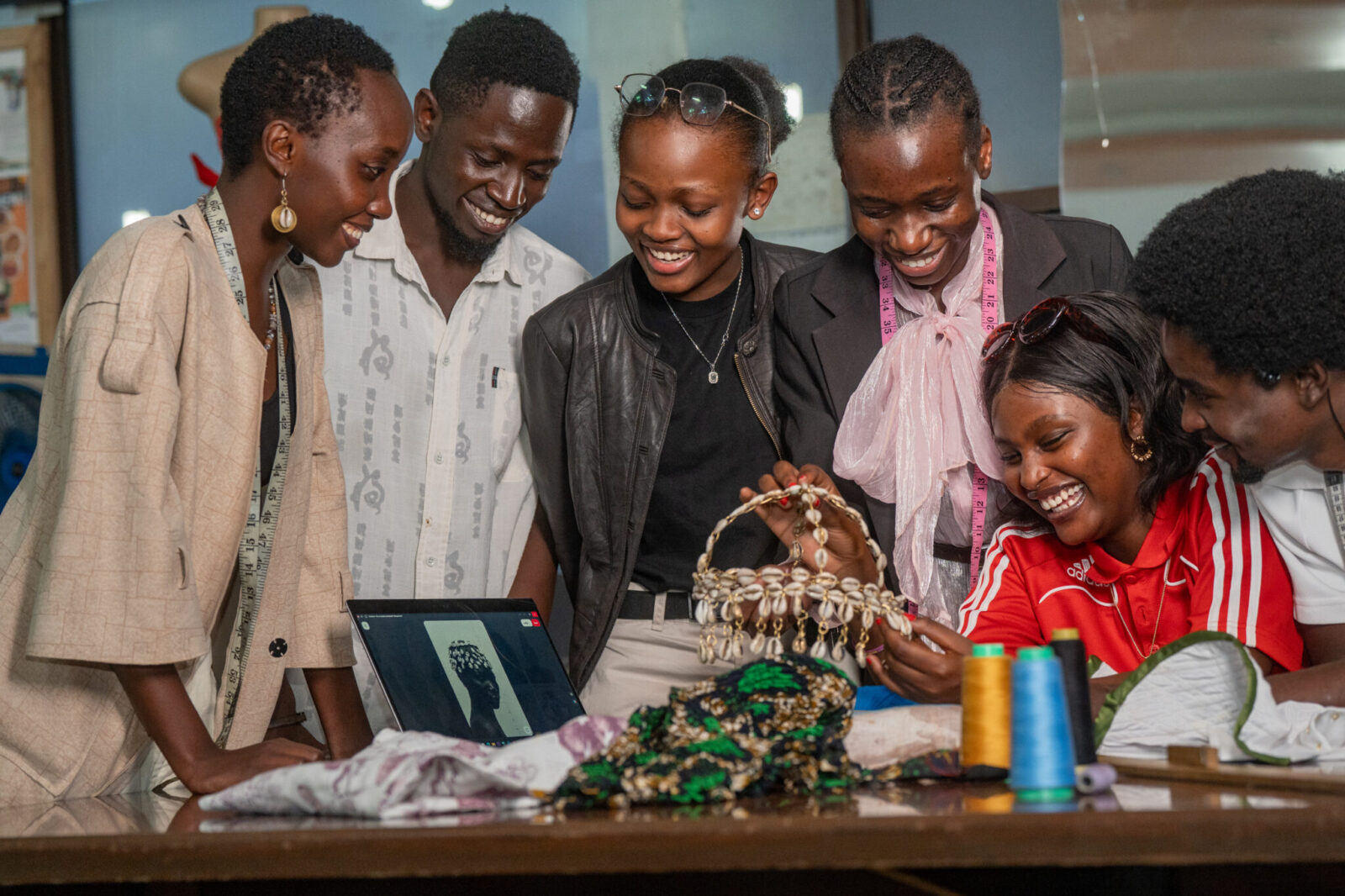

Green Education Campaign
The Green Education Campaign was Edukans’ end-of-year fundraising campaign, launched with the goal of raising €20,000, the equivalent to enabling green education for six schools in Malawi. The campaign focused on the acute impact of climate change on children and young people, emphasising how green education helped build resilience against extreme drought, flooding, hunger, and poverty. Through compelling storytelling, the campaign showed how education equips students with the knowledge and skills to protect themselves, their communities, and future generations. The results exceeded expectations: a total of €24,572.50 was raised, 23% above the original target. This success made it possible to support not six, but seven green schools in Malawi. The campaign demonstrated strong donor engagement and reinforced Edukans’ commitment to climate-resilient, sustainable education.
“Green education belongs in every schoolclass. During our lessons, we discussed the different methods of weeding, but we mainly got to work in the garden. You see, when children can touch what they are learning, it is so much easier for them to remember. That way, they really master the subject matter. If we continue to do this in many schools, we will greatly improve the level of future-proof education in Malawi.”
– Shadrick Joseph, Chikowa Primary School
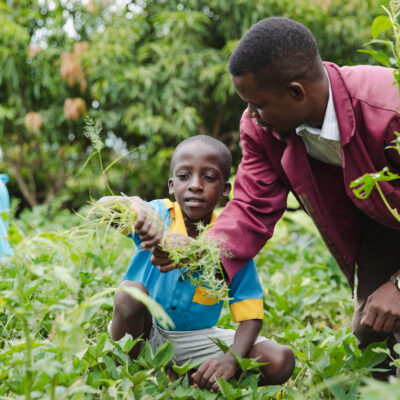
Always On Campaign
The goal of the Always On Campaign is to strengthen brand awareness and firmly position Edukans as the leading specialist in education in East Africa. Within the awareness phase, we reached 700,000 people via Meta. Our ads were shown a total of 2.65 million times via different Google platforms. Following on from this, during the consideration phase, we focused on lead generation and collected e-mail addresses. A Primary School Test attracted 13,000 people to participate. As a bonus, we also received 150 donations. Because we are continuously visible online, the Always On Campaign also provides a strong foundation during peak campaigns. This is partly why we achieved enormous reach with the Wear the Green Future campaign and the brand campaign Heroes of Growth. Additionally, during the Green Education Campaign in December 2025, we were able to solicit donations from a large group of people earlier, making this campaign a resounding success.
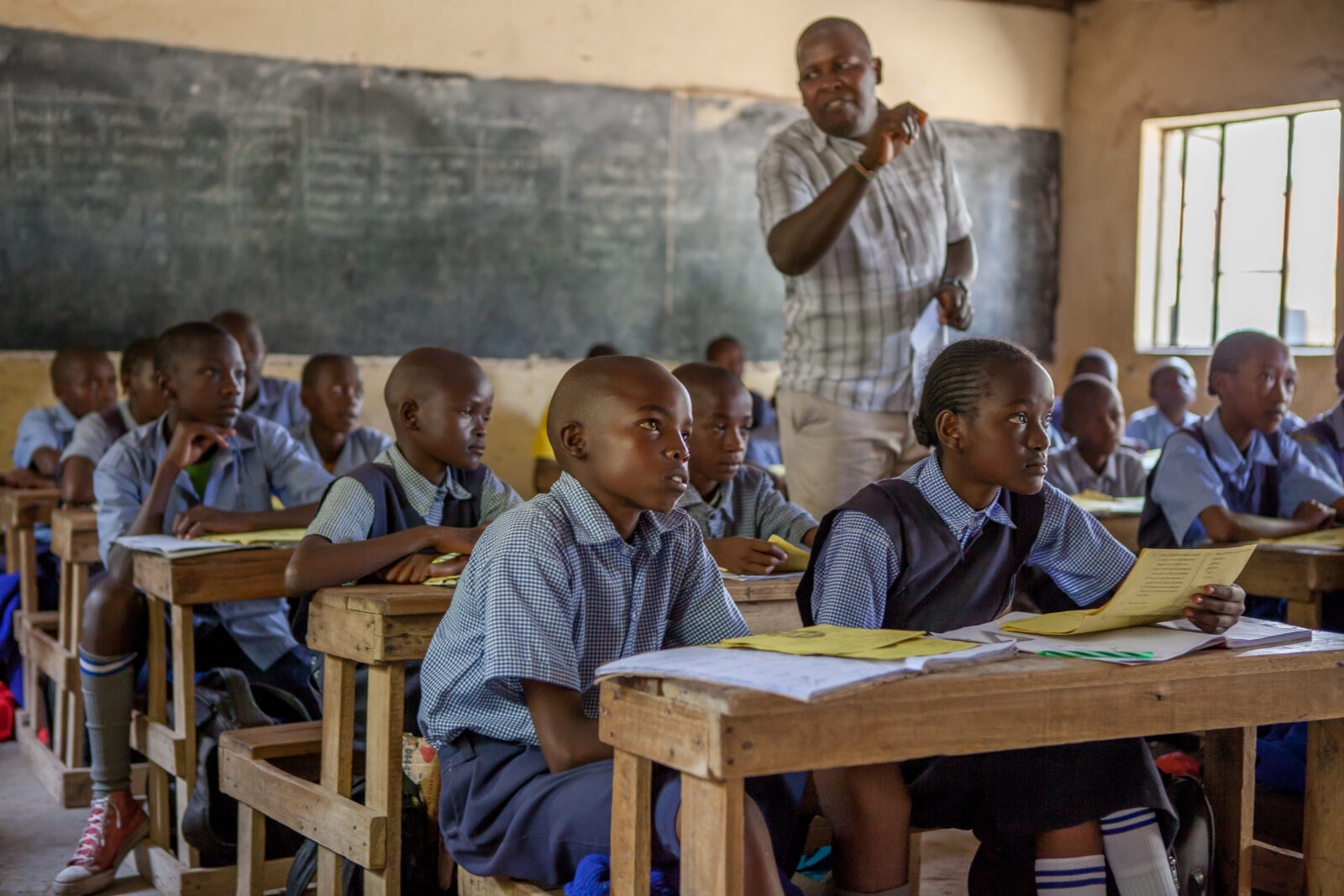

Lessons learned
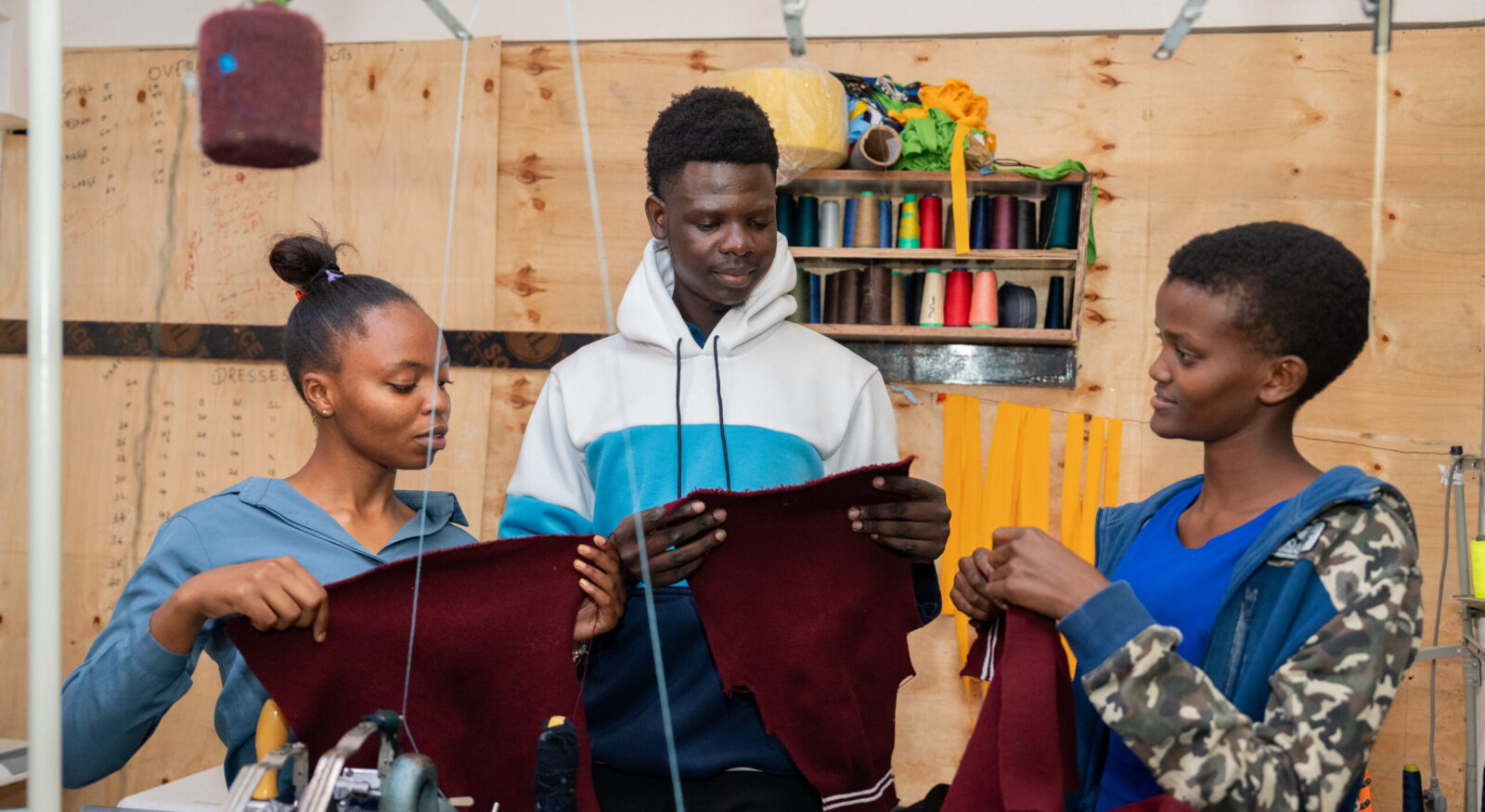

6. Lessons learned
Strategy
As part of Edukans’ strategic development process, last year we focused on conducting a comprehensive internal audit to assess our organisational strengths and reflect on key lessons learned. This provided clear direction for Edukans’ future strategy. It confirms where our core value lies, but also shows that if we are to remain relevant, effective, and resilient, we must make sharper choices. Below are four strategic implications emerging from the findings.
Focus and Positioning
Edukans must sharpen its focus and define a clear, recognisable positioning in the education sector. Our current portfolio spans many themes—from basic education and skills development to climate education and digitalisation—which risks diluting our impact. We need to centre our strategy on a coherent identity, grounded in our strongest contributions to education. This also means resisting fragmentation by aligning project selection and resource mobilisation more closely with our strategic focus. A clearer positioning will strengthen our visibility, both with donors and peers, though this will require investment and a visibility strategy.
Expertise and Innovation
Our technical expertise—particularly in teacher professional development and active learning—is a critical asset, but it requires reinvestment and updating. Sustained effort is needed to refresh and deepen our models (e.g., STAR, Teaching with Impact, 7 Steps to Work), some of which have become outdated. We must also make conscious decisions about the future scope of our expertise: whether to remain broad or specialise, and how to build distinctive value in areas where other parties are advancing rapidly. Do we want to be a knowledge expert that develops and pioneers new educational models, or a knowledge broker that identifies, curates, and connects proven approaches with local practitioners? Both have merit, but each requires different capabilities and ways of working. Strategic choices here will determine how we maintain credibility, add value, and invest our resources moving forward.

Localisation
Across Edukans, there is a clear desire to strengthen localisation -not just in rhetoric, but in real decision- making power, ownership, and visibility of country offices. The insights from this strategic process are showing the urgency to address the gap between form and function, and reflect localisation through a revised organisational structure and a clear governance structure. We must design this in a way that enables meaningful localisation: one that allows for stronger leadership, recognition, and autonomy at country level.
Funding strategy and need for investment in a strong business model
To deliver on our strategic ambitions, Edukans will need to diversify its funding sources. The current dependency on traditional donors—particularly in country offices—makes us vulnerable in an increasingly competitive and shifting funding landscape. Diversifying income sources, including through corporate partnerships and new funding modalities, must be a priority. At the same time, we need to critically assess our cost structure and operational efficiency, ensuring that resources are increasingly directed toward technical excellence and delivery. Following decisions the organisation needs to make on its role and structure, the organisation then also needs to develop a suitable business model.
Funding
We also learned that grants we receive come from warm relationships (and it pays to invest in these) instead of “cold calls”, as these yield little return. It takes an incredibly long time before initial contact translates into a contract. We need to act on this, and we are not doing so sufficiently. With Wear the Green Future, we are taking this on board by actively guiding people in building fundraising through warm relationships and making use of contacts at an earlier stage. This mainly involves making a plan for the donor journey.
Programmes
A lesson we learned from programme monitoring is that we need to shift more towards innovation, research and data-oriented monitoring. In this, it is important that we further implement project based working to enable our organisation to work efficiently and effectively and that we collect the necessary data for data informed decision making.

Organisational culture
In 2025, as One Edukans, we reinforced our commitment to an inclusive and culturally sensitive work environment, especially in the context of working across countries and cultures. With increased localisation and autonomy it will become even more important to actively invest in our shared identity, values, and norms, so that we continue to operate and feel as one family rather than a collection of separate entities. By fostering a culture that embraces diversity and international collaboration, we will strengthen our collective ability to innovate, exchange, connect, and succeed on a global scale.
Safety and security
Edukans’ safety and security policy, together with the crisis management protocol, has proven to be effective and offers support in handling safety situations. Edukans has struck a good balance between acting in accordance with protocol and policy and paying attention to the impact on the organisation and employees. In 2025, we have paid special attention to our cyber security by having all our employees complete a mandatory online training course on this subject, which as resulted in a noticeable increase in awareness and a more proactive, rather than reactive, approach to safety.
Integrity
To make sure that the integrity system is completely implemented, it is necessary to keep integrity on the agenda and actively invite staff members and partners to discuss sensitive issues together, with respect for each other. With regard to handling integrity reports within our organisation, we have noticed that these are difficult to resolve internally because we know each other so well. That is why, in 2026, we will investigate whether we can (partly) outsource this to external parties such as Partos or GoedeDoelenNederland.
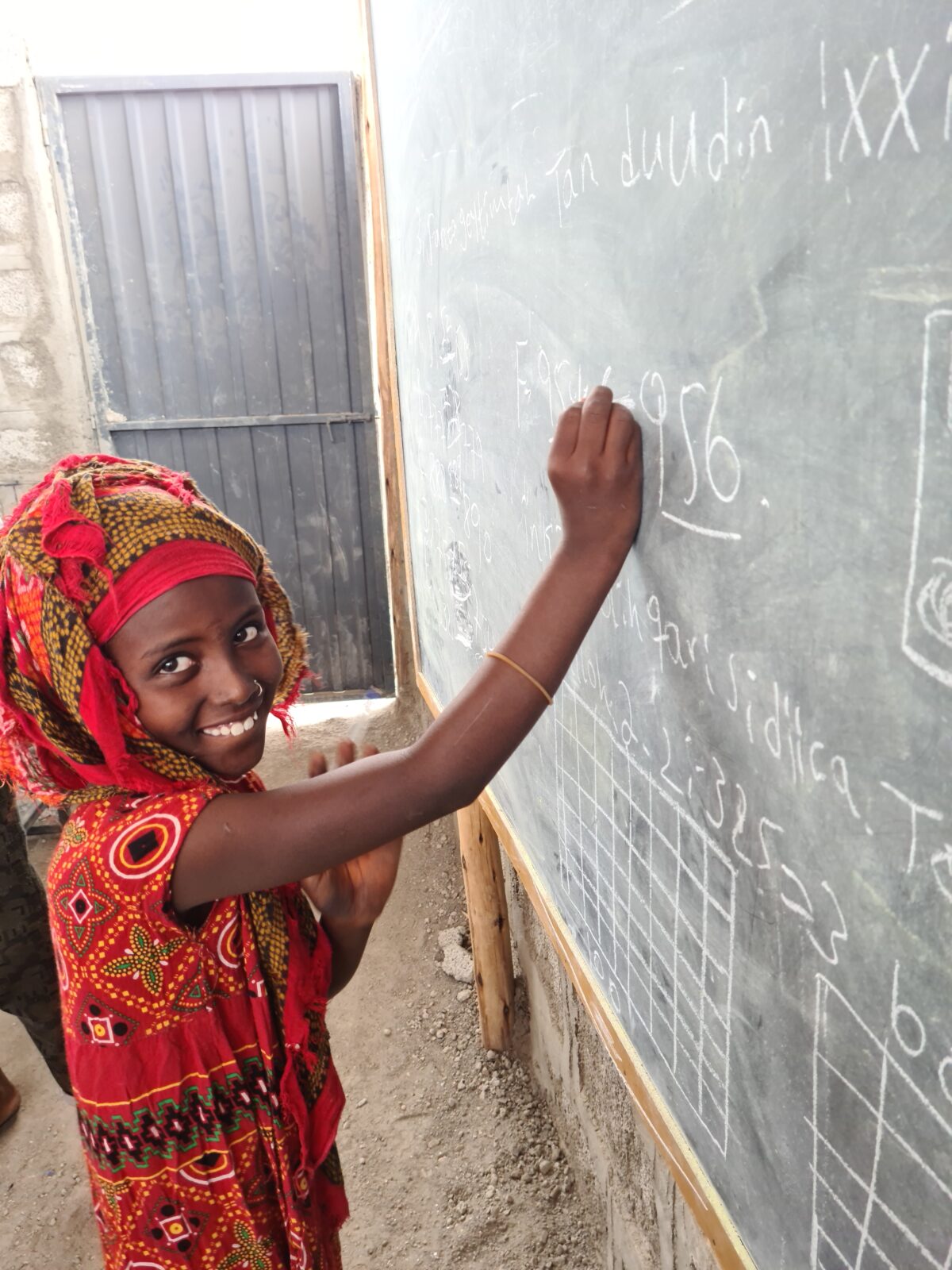

Governance and organisation


7. Governance and organisation
Edukans was founded in 2002 and is pursuing a mission to create opportunities, enabling children and young people in Eastern Africa to shape their futures with confidence. Edukans’ work could not succeed without our professional and dedicated staff across the world, our dedicated volunteers, and our ambassadors.
7.1 Organisational chart

7.2 Organisational structure and Environmental Social Governance (ESG) policy
In a world of constant change, Edukans aims to strengthen our commitment to sustainable development, improve decision-making processes across all organisational levels, effectively communicate our mission, and foster deeper engagement with stakeholders. Edukans operates as one organisation with five offices located in Ethiopia, Kenya, Malawi, the Netherlands, and Uganda. Country Directors represent the Country Offices in relationships with our stakeholders and are responsible for country office management. Country Offices are tasked with designing and implementing projects, forging strategic partnerships at the national level, and mobilising resources through country-based institutional and international donors and advocacy. Edukans Netherlands is responsible for programme strategies, developing, updating, and validating educational models and methodologies, forging strategic partnerships, the organisational planning and control cycle, overall financial management, account management and private and global fundraising, global campaigning and communication, and stakeholder management. It focuses on designing and enhancing educational approaches and tools, fostering stakeholder engagement, driving strategic fundraising, and building strategic partnerships both globally and within the Netherlands. Edukans Netherlands and the Country Offices collaborate seamlessly through international teams, ensuring effective teamwork and providing support wherever it is needed.
The mission of Edukans is fundamentally rooted in Environmental, Social, and Governance (ESG) principles, embodying ESG’s social dimension by advancing equity, well-being, and societal impact through quality education. Edukans further advanced its ESG policy in 2025. The primary focus areas are outlined below:
- Promoting diversity and inclusivity in the workplace, and emphasising health and safety. These were focused on during the development of a Gender and DE&I policy.
- Enhancing wellbeing and sustainability. The health and wellbeing of staff was addressed by repeating the employee satisfaction survey and emphasising health and safety with tools such as OpenUp to facilitate the well-being of staff members.
- We aim to minimise international travel whilst at the same time recognizing that travel is sometimes necessary for cross-border collaboration and knowledge exchange. The necessity of travel has therefore been carefully evaluated. The ESG policy was extended with criteria for travelling, which will support Edukans in (more) sustainable development and decision-making when it comes to flying and CO2 emissions.
- In addition, Edukans’ Dutch office relocated in 2025 and sustainability and, where possible, reusability of materials have been considered in the preparations for furnishing the office premises.
7.3 HR
Valuing People: HR Strategy and Commitment at Edukans in 2025
In 2025, Edukans continued to place people at the heart of its organisation and mission. Our employees, in the Netherlands and in our focus countries, play a crucial role in achieving sustainable impact in education. We therefore foster a work environment built on trust, respect, and shared responsibility, where people feel safe and valued.
HR Results Overview 2025
Recruitment & Selection
- Successes: The majority of vacancies were successfully filled with qualified candidates, ensuring the right expertise was brought into the organisation.
- Challenges: In the Netherlands, the tight labour market posed challenges in finding the right match for certain roles. Despite efforts, two vacancies remained unfilled.
- Growth in Country Offices: Our teams expanded with professional staff to support new projects. This growth significantly enhanced capacity, particularly in education expertise.
Organisational Development
- Updated Job Matrix: A renewed job matrix was developed in preparation for the transition to a new Collective Labor Agreement (CAO) in the Netherlands. This updated framework better aligns with the organisation’s working culture and will take effect on 1 January 2026.
- Focus on Well-being: Recogniszing the demands placed on employees, Edukans prioritised mental well-being through targeted initiatives and support systems.
Learning & Development
- Culture of Learning: Edukans continued to embed learning and adaptability into daily practices, fostering a culture of reflection, feedback, and professional growth.
- Diversity & Inclusion: Integrity, inclusion, and equal opportunities remained central to the HR approach, with diversity recognised as a key strength in achieving organisational goals.
Employer Attractiveness
- Adapting to a Competitive Market: Edukans adapted its HR policies and employment conditions to remain an attractive and responsible employer in a competitive labour market. Investments in learning, inclusion, and strategic readiness have laid a strong foundation for sustainable impact.
Strategic Preparation
- Long-term Strategy Development: 2025 was a year of preparation for the implementation of a new long-term strategy. This process involved reflection on Edukans’ role, impact, and ways of working, with a focus on aligning HR policies to support future goals. Implementation will begin in 2026.
Our staff – 2025
| Edukans | Netherlands | Edukans | Ethiopia | Edukans | Uganda | Edukans | Malawi | Edukans | Kenya | |
|---|---|---|---|---|---|---|---|---|---|---|
| 2025 | 2024 | 2025 | 2024 | 2025 | 2024 | 2025 | 2024 | 2025 | 2024 | |
| Average number of FTE | 20.9 | 20.6 | 18.5 | 19.9 | 7.0 | 5.2 | 18.1 | 6.9 | 8.8 | 6.1 |
| End of the year number of staff | 26 | 26 | 19 | 20 | 13 | 3 | 20 | 14 | 9 | 6 |
| Gender balance | ||||||||||
| Female | 65% | 65% | 21% | 20% | 46% | 67% | 35% | 36% | 44% | 50% |
| Male | 35% | 35% | 79% | 80% | 54% | 33% | 65% | 64% | 56% | 50% |
7.4 Volunteers
In 2025, Edukans worked with five volunteers who committed themselves with great enthusiasm and dedication to supporting our organisation. Their contribution was valuable and wide-ranging, providing practical support across various activities at the Edukans office. We are deeply grateful to our volunteers for their continued commitment, flexibility, and willingness to contribute their time and expertise. Their engagement plays an important role in supporting Edukans’ work and our shared ambition to advance quality education.

7.5 Supervisory Board
Members of the Supervisory Board of Edukans are appointed for a period of four years and may be reappointed twice. As of 31 December 2025 the Supervisory Board consisted of the following members:
- J. Mesman, chairman, as a member responsible for integrity, Professor (Youth & Society) at Leiden University. Field of expertise: education, pedagogical skills, diversity and inclusion (appointed in 2023).
- D.M.J. Haaksma,chairmanaudit committee, Director Finance, Control & Analytics at Stichting Hogeschool in Utrecht. Field of expertise: accountancy (The term ended on 31 December 2025 and has been confirmed for a second term until 2029).
- K.R. Rosalina, as a member responsible for integrity,educationalistand consultant at Drakenfruit. Field of expertise: education (appointed in 2023).
- R.N. Zomer, member audit committee, Manager International Business atEvofenedex. Field ofexpertise: Fundraising, small medium enterprises, (appointed in 2023).
None of the members of the Supervisory Board have declared additional positions which may conflict with their membership of the Supervisory Board of Edukans. Each year, the members of the Supervisory Board receive attendance fees in line with the guidelines of Goede Doelen Nederland and CBF.
The Supervisory Board acts in accordance with the provided framework and the ‘Regulations of the Supervisory Board’. The audit committee consists of two members of the Supervisory Board. The Supervisory Board monitors continuity, supervises the realisation of strategic objectives, reviews the quality of management, and advises the management board about relevant social developments. The Supervisory Board approves the strategic plan, the annual plan and budget, the annual accounts and the annual report, including auditors report, as part of the financial planning and control cycle, and focuses on the assessment of financial management and the quality of controls. In 2025, The Supervisory Board held 5 meetings.
The Supervisory Board endorsed the strategic direction and the key strategic shifts, recognising the ambition of the approach and the transformative nature of the organisational model. 2026 will serve as a transition year in which the strategy will be further refined, tested, and assessed for financial, legal, and organisational feasibility, after which the multi‑year strategy will be submitted to the Supervisory Board for formal approval.
7.6 Executive board and management
In 2025, Petra van Haren continued to serve as CEO of Edukans, acting as the Executive Board and appointed by the Supervisory Board. The authority of the CEO and the relationship between the CEO and the Supervisory Board are defined in the Articles of Association, the Supervisory Board Regulations, and the Bylaws.
Based on the managerial assessment framework and the CEO job description, performance reviews with the CEO are conducted annually.
The salary of the CEO of Edukans is determined in accordance with the standards of the Dutch Standards Committee (Erkenningsregeling Commissie Normstelling) and is set at scale 15 of the Civil Servants’ Pay Decree.
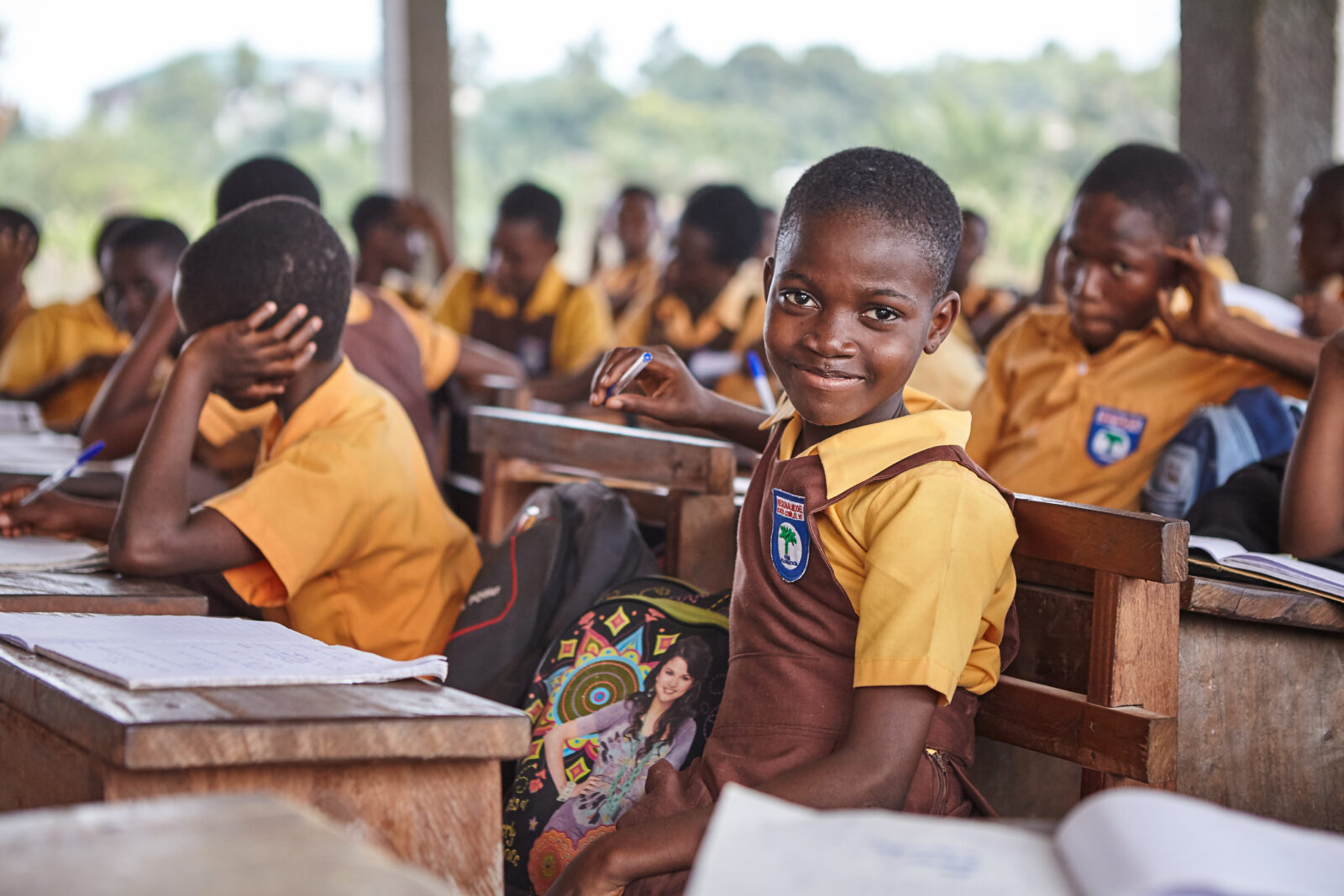

Transparency and accountability
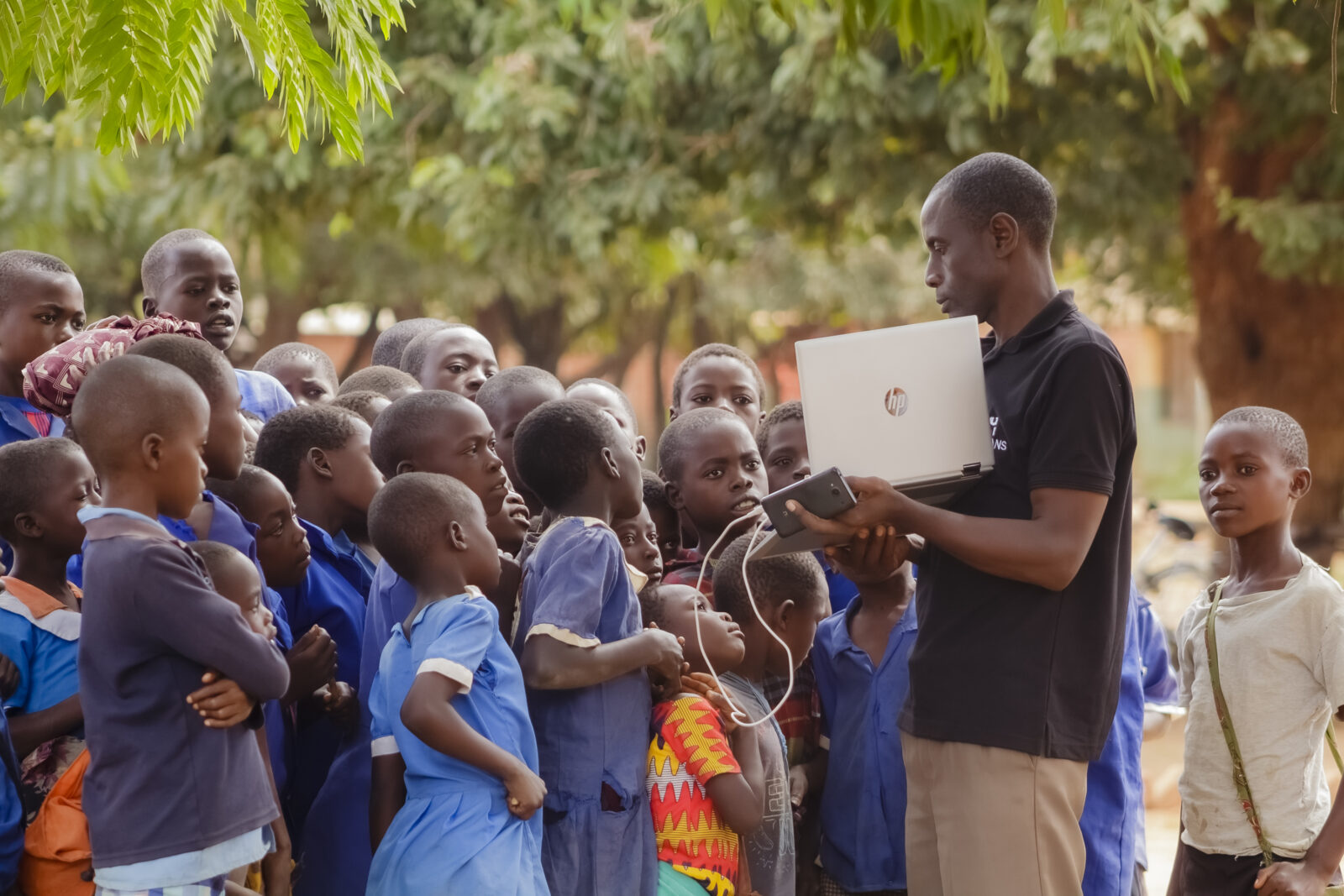

8. Transparency and accountability
8.1 Statement of responsibility
Edukans holds a quality mark issued by the Dutch Central Fundraising Bureau (CBF).
Our organisation complies with the Dutch Standards Committee (Erkenningsregeling Commissie Normstelling). In the statement of responsibility, Edukans indicates how it implements the three main principles of the CBF quality mark:
- Distinguishing supervision, management, and performance
- Optimisation of effectiveness and efficiency of spending
- Optimisation of dealings with stakeholders
1. Governancestructure
Edukans Foundation has an Executive Board, which consists of 1 board member, the Chief Executive Officer who is responsible for managing the Foundation. The CEO reports to the Supervisory Board. Our organisation operates with a decentralised structure and following the subsidiarity principles, supported by an international management team that includes Country Directors / Representatives from the offices in Ethiopia, Kenya, Malawi and Uganda and, from the Dutch office, the Manager of Programmes, and Manager of Engagement & Fundraising (formerly known as Marketing, Communication and Fundraising), completed by the HR Manager and the Financial Controller. The CEO also serves as the chair of the International Management Team (IMT).
In Kenya, Malawi, and Uganda, we have established in-country advisory boards to comply with national laws and regulations.
To guarantee a separation of functions and to prevent conflicts of interest, no close relationships are permitted between members of the Supervisory Board and the International Management Team. In addition, no connections are permitted between any of these members and an organisation with which Edukans, in the normal course of its work, conducts transactions that can be valued in monetary terms. In case of a potential conflict of interest, this will be resolved through discussion.
2. Optimisation of effectiveness and efficiency ofspending
Edukans is always seeking to improve quality. For the implementation of its educational programmes Edukans has an extensive knowledge system that monitors the quantitative and qualitative results that were targeted for each programme. This shows both the increase in the number of children and young people going to school or enjoying better quality schooling, as well as the extent to which learning outcomes have improved and whether young people experience an increase of employment opportunities as a result of the interventions by Edukans. For each programme, several qualitative results are also monitored, for example the available educational resources or the level of training of the teachers. Both the availability and quality of education are key indicators for Edukans. Through the strategic plan and the budget, Edukans determines the guiding objectives.
Following the CBF guidelines on ratios for effective and efficient spending, the management board has set standards for objectives and the costs that may be incurred to achieve the objectives. A multi-annual forecast and annual budget is prepared, discussed in the audit committee and approved by the Supervisory Board. If there is a difference between the spending of resources with that provided for in the budget this is reported to the International Management Board, addressed in the audit committee and stated in the management report to the Supervisory Board.
3. Optimising engagement with stakeholders
Edukans engages with a diverse range of direct stakeholders, including children and young people, teachers, educational institutions and teacher training colleges, public and private partner organisations in our focus countries, donors and subsidy providers, government bodies such as Ministries of Education, as well as our employees and volunteers. Expectations and modes of collaboration are clearly defined in Memoranda of Understanding and other legal agreements. To mitigate financial, capacity, and integrity risks, due diligence processes are systematically applied. We maintain ongoing dialogue with stakeholders through various communication channels and regularly seek their feedback to inform and improve our programmes and services. Our approach is guided by established guidelines and procedures set out in our ISO quality framework. In addition to regular personal contact, collaboration with partner organisations is further strengthened through structured partner consultations, which are closely linked to future policy development.

8.2 Integrity
Providing a safe working environment for staff members, teachers, students and partner organisations is high on the agenda within Edukans. An Integrity Committee consisting of four senior members monitors the effectiveness of the integrity system, coordinates the handling of a formal report and leads the development and implementation of policies, procedures, and tools that support a culture in which people feel safe to discuss ethical dilemmas (moral deliberation) and dare to speak-up.
All staff members, Supervisory Board Members, volunteers and participants representing Edukans are required to sign the Edukans Code of Conduct, the Child Protection Policy and the Code of Conduct: Protection from Sexual Exploitation and Abuse Policy. In addition, all (new) staff members need to successfully complete the Prevention of Sexual Exploitation and Abuse (PSEA) training on the UNICEF Agora platform and a VOG statement is part of the recruitment and selection procedure for staff in the Netherlands. A Confidentiality Advisor has been appointed and trained for staff members to discuss any concern confidentially. The Edukans Integrity Policy includes guidelines on how to file a report and provides links to communication channels. In addition to the formal reporting channel integrity@edukans.nl Edukans opened up an additional communication channel (externe link, opent in nieuw tabblad) (via WhistleB) where people can report any concerns anonymously.
In 2025, two cases were reported to the integrity committee. Both have been followed up by the integrity committee through various consultations and follow-up sessions. Edukans has zero tolerance of any violation of our integrity policy and adequate measures have been taken as a follow-up to the investigation by the integrity committee.
As part of the new strategy, we are preparing an organisation-wide programme centred on our organisational compass: identity, values, and norms. To make sure that the integrity system is implemented completely, it is necessary that talking about integrity becomes a regular point of attention within the organisation and integrated in our daily work. Therefore, we conducted in-country meetings to discuss our integrity policy and the dilemmas faced in practice. The CEO and the Supervisory Board organised a half day reflection on integrity and social safety at Edukans: reflecting on challenges, lessons learned and the way forward.
We do our utmost to make the integrity system at Edukans work and to create a safe space for everyone. Edukans will continue to build on the trust placed in us by our stakeholders and lower the threshold for anyone wishing to raise a concern by paying specific attention to moral deliberations and the contextualisation of Integrity.
8.3 Compliance, quality and transparency
Edukans, as a recipient of public funds and receiving gifts and donations from private donors, foundations and companies, churches and schools, needs and wants to be transparent, accountable and efficient. This is why continuous learning, improvement of quality, progress and efficiency are laid down in the strategic plan, the management report and the quality system (in accordance with ISO standard 9001: 2015 and the Partos Declaration 9001-2015, version 2018).
ISO 9001:2015 & Partos Declaration (version 2018)
Edukans has been ISO-certified since 2006. Edukans is certified under the ISO 9001:2015 standard and holds a valid Partos declaration (version 2018). The ISO-standard provides a quality management framework and ensures a philosophy of continual improvement, good governance, integrity and transparency. The Partos Declaration is a sector-specific application to implement ISO 9001:2015 (version 2018) which takes into consideration the specific circumstances of our work and the activities we undertake, with specific attention to integrity. Operations are audited internally and externally by KIWA, and findings are discussed with management and the Supervisory Board. At the beginning of 2025 Edukans was again assessed as having no shortcomings. The recommendations of the audit in 2024 were addressed successfully.
Central Bureau on Fundraising (CBF)

The Central Bureau on Fundraising (CBF) monitors all philanthropic bodies in the Netherlands and evaluates their management and policy in order to increase the transparency of the charitable sector. Edukans holds the CBF Seal of Approval and complies with its requirements.
Tax Authorities

Edukans is recognised by the Dutch Taxation Department as a charitable institution (ANBI), which means that donations and bequests to Edukans are not taxed. Donors can obtain income tax deductions for their contributions to Edukans.
Dutch Association of Fundraising Organisations (GDN)
The Dutch Association of Fundraising Organisations (GDN – Goede Doelen Nederland) is the umbrella organisation for philanthropic organisations that raise private funds in the Netherlands. Edukans upholds the principles of GDN in relation to respect, reliability, openness and quality.
Dutch Accounting Standards Board (DASB)
Our annual accounts are drawn up in accordance with the Guidelines (650) for Financial Reporting by Fundraising Institutions of the Dutch Accounting Standards Board (DASB). External reporting includes an annual report and accounts, which are verified by an auditor and accompanied by an auditor’s statement. Edukans has appointed Crowe Foederer as its external auditor. The external audit covers the audit of the consolidated annual accounts. The auditor does not provide any non-auditing (e.g., advisory) services.
OPTA
In its telemarketing activities, Edukans complies with the laws and regulations of the Netherlands’ Independent Post and Telecommunications Authority (abbreviated in Dutch as: OPTA).
Complaint procedure
Should anyone wish to make a complaint, Edukans provides multiple channels and has a complaint policy, all of which are published on the Edukans websites. This includes one external channel facilitating anonymity on integrity complaints.
8.4 Risks
Edukans proactively identifies and assesses both internal and external organisational and project factors that could pose risks to our organisation. This includes potential threats to the health and wellbeing of our staff and beneficiaries in the communities we work with. Our approach to risk management emphasises prevention and the development of effective coping strategies to adequately handle these risks when they do occur.
Learning poverty
Over 272 million children worldwide are not in school, and an even greater number of children cannot read or write proficiently (UNESCO, 2025). Without foundational learning such as reading and writing, pupils often fail to thrive later in school or when they join the workforce. Edukans believes that education is a universal human right, and quality education for all is achievable. We advocate both at a global level and in focus countries for the importance of good quality education and the allocation of financial resources in realisation of SDG4.
However, access to good quality education is not sufficiently high enough on the agenda of the governments in our focus countries. The political climate worldwide has become less supportive of international cooperation and strengthening civil society in general, and education in particular. Financial resource allocation of donors prioritises humanitarian aid and quick wins which threatens the chances of achieving the Sustainable Development Goals (SDGs) on and through better education.
Repositioning as civil society organisation
In 2025, available funds from institutional sources came under pressure, largely due to shifts in budget priorities both in the Netherlands and globally, including reduced USAID funding and limited contributions from the United States. As a result we reimagine our role as CSO, aligning with new paradigms to redefine our strategy that guide impactful choices. Edukans is responding to these changes by exploring innovative fundraising approaches, ensuring that we continue to safeguard and expand our impact through sustained partnerships with key collaborators. This will be reflected in our new multi-annual strategy for 2026-2030.
Financial risks
Internal control procedures are in place and have been revised and improved to mitigate and/or absorb financial risks relating to potential misuse of funds and potential losses (i.e., due to corruption, fraud, theft, or high inflation rates), as well as for receiving, allocating, and the payment of funds. Edukans constantly works to improve cost recovery ratios, as well as financial reporting systems. Edukans has adopted a sustainable investment strategy, with a diversified investment portfolio which offers better safeguards against volatile market developments.
Staff well-being, safety & security
Edukans prioritises the safety and well-being of its staff in all countries where we operate. Project areas in these countries are often disrupted due to war, political, climate and/or economic crises. For example, the devastating impact of an earthquake in Berhale and the hardship faced by the community around our country office in Ethiopia. We mitigate risks through comprehensive safety, security, and HR policies combined with mandatory security trainings for staff ensuring a supportive and responsible environment for our team members. Edukans acknowledges the vital role that our human resources play in ensuring the delivery of quality education as an organisation. Our staff members often take on multiple roles beyond their primary responsibilities due to the structure and size of the company. To support this dynamic, managers work closely with our HR team to offer coaching and support for managing work-related stress, fostering a healthy and positive work environment.
We explored the opportunity for Edukans to become a member of the OpenUp platform, which focuses on the mental wellbeing of employees and their families. From 2026 onwards, this platform will be accessible to employees to further support their mental wellbeing.

Alignment of policies
Strategic priorities of governments and partners organisations can change over time. Education programmes can only be effective when embedded in the national education system and aligned with the country specific objectives and priorites. Edukans works closely with governmental agencies and certification institutes to ensure alignment of policies and strengthen the education system now and in the future.
Cybersecurity & AI
At Edukans, we recognise the importance of a secure digital environment and take a proactive approach to managing risks in the fields of cybersecurity and artificial intelligence. While threats such as hacking, data breaches, and identity fraud remain a concern – particularly within an international operating context – our organisation has implemented robust measures to effectively mitigate these challenges.
The increasing use of artificial intelligence offers great potential for innovation, but also introduces new responsibilities. We embrace these opportunities while ensuring that the associated risks are carefully managed. To safeguard our organisation and those we serve, Edukans uses managed laptops within a secure IT infrastructure. Key preventive measures include continuous network monitoring and comprehensive staff awareness programmes. Since 2025, all employees participate in ongoing online cybersecurity training, fostering a vigilant and well-prepared workforce.
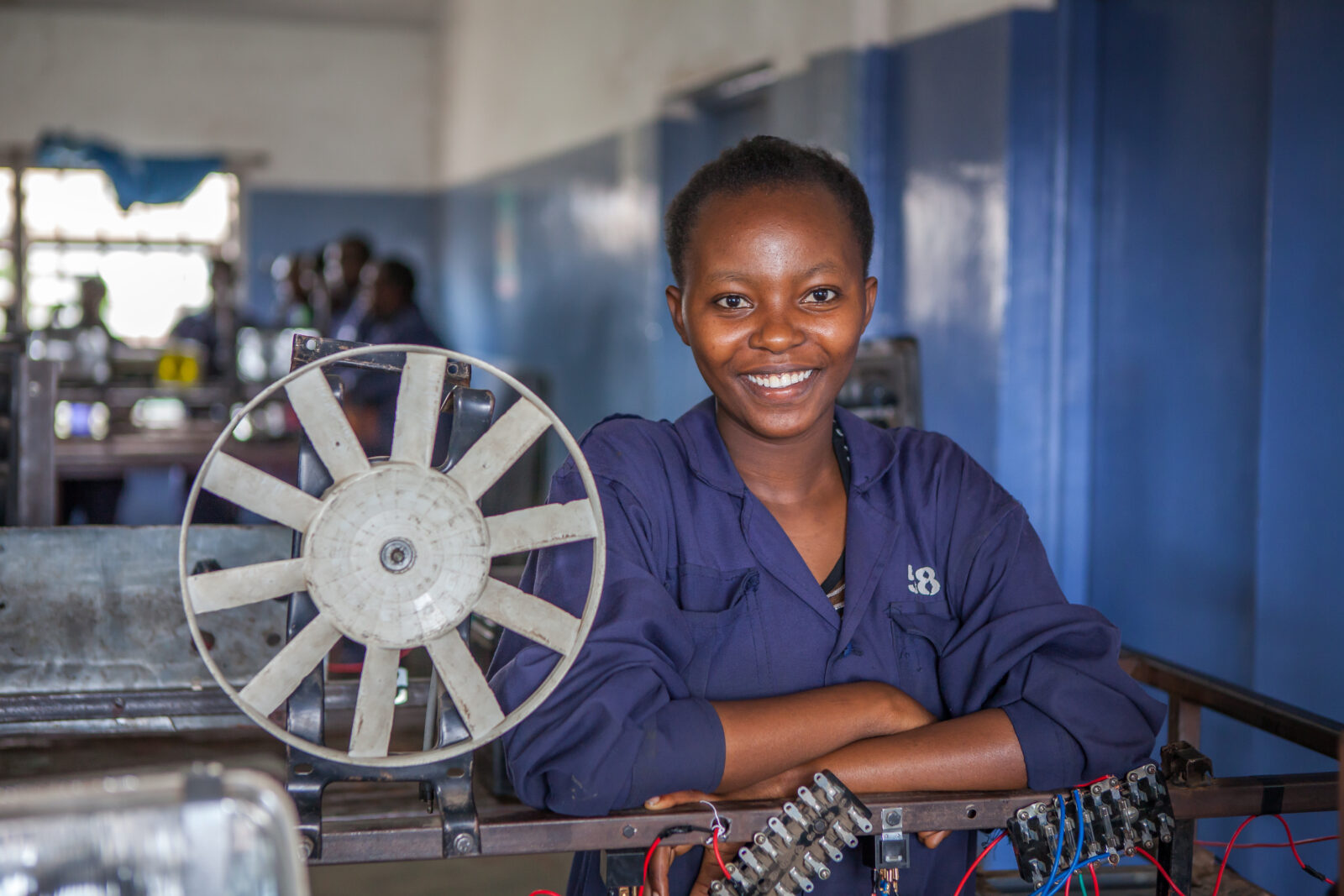

Outlook
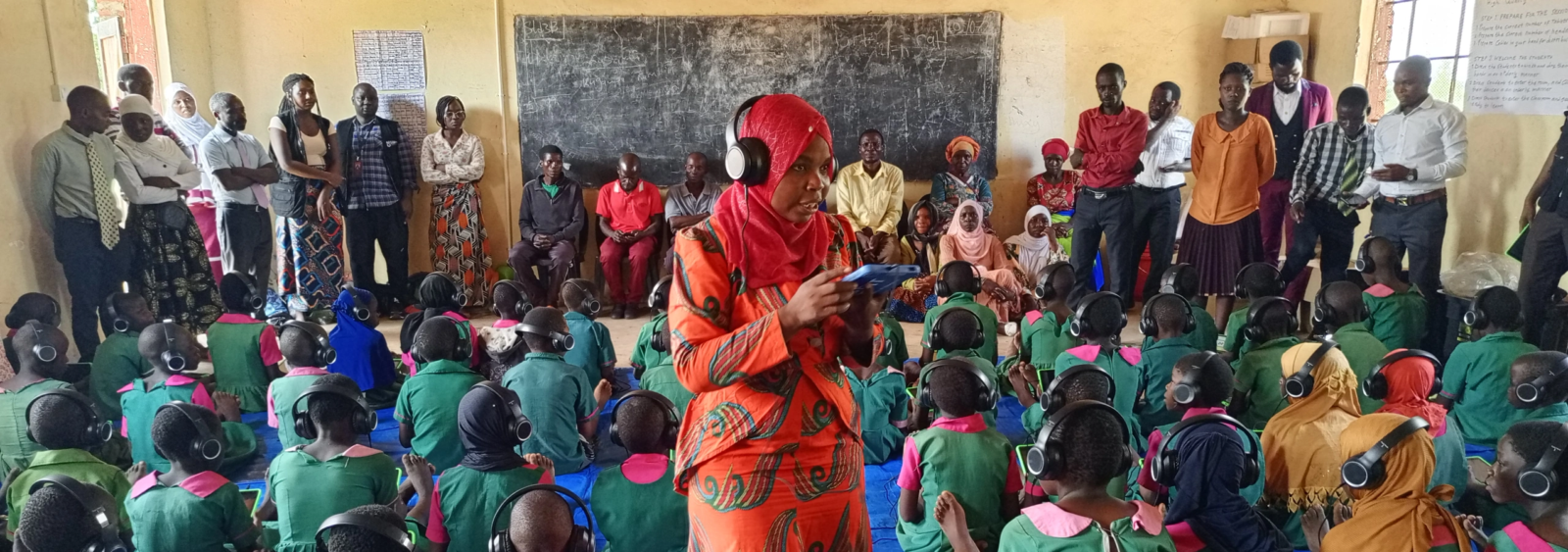

9. Outlook
In 2026, Edukans embarks on Phase 1 of its new strategic direction: a year of transition, learning, and shaping the future. This pivotal year is dedicated to refining, testing, and operationalising the multi‑annual strategy, ensuring it is robust, actionable, and aligned with our mission to create sustainable impact in education worldwide.
As we look ahead, our mission remains unchanged: we are and will continue to be an education expertise organisation committed to creating meaningful learning opportunities for children and young people. What is evolving is the way we deliver on that mission. We are building on what defines us – our deep educational knowledge, our authenticity, and our focus on quality – while redefining how we work to stay aligned with a changing environment and our role as a relevant civil society organisation.
As outlined in the Foreword, consultations with the communities, teachers and young people we serve reaffirm that our work is of increasing importance in a rapidly changing and unequal global context. Building on these insights, the new strategy sets a clear course for the coming years, further sharpening our focus on maximising our contribution to quality education, while addressing financial constraints through enhanced operational efficiency and a continued commitment to long-term financial sustainability.
- Redefining our ambition and positioning
In redefining our ambition and positioning, we will further articulate our unique value as a knowledge‑driven organisation, evolving Edukans into a Global Expertise Hub. This means sharpening our roles, strengthening decision‑making, and taking a phased approach to implementing this new way of working.
- Building a strong and sustainable business case
Strengthening the financial foundation of our strategy is key. We will explore innovative income-generating models while continuing to value and grow our loyal support base. Diversifying income streams will ensure continuity and sustainability. Furthermore, we will adopt a strategic, data and market-driven approach to fundraising and build strategic partnerships with corporates, foundations, and schools, refining our efforts to align with the renewed Engagement & Fundraising strategy.
- Refining our organisational and governance model
2026 is a year of deliberate steps, thoughtful choices, and collective effort. Together, we will move from strategy to action, guided by shared principles and commitment to our mission. In 2026, we will further advance our education model for effective learning, ensuring it is applied in response to context-specific needs, working in a demand-driven and tailored manner.
To strengthen and expand our programming, we will continue investing in initiatives that can grow and scale – from building strong foundations for learning through innovation and technology, to deepening our use of data, strengthening pre‑service teacher training, and expanding programmes such as Wear the Green Future. By focusing on these areas, we aim to increase our reach and effectiveness, ensuring that our work creates lasting impact where it matters most.
As we move into this next chapter, we are proud of the vision we have shaped together and even more inspired by the possibilities ahead. With our partners, our staff, and the communities we serve, we will continue unlocking the transformative power of education. Imagine a world where every child and young person can learn, grow with confidence, and thrive as a contributor to just and sustainable societies. This is our lookout on the future: a horizon that guides our choices today and calls us forward to turn possibility into reality. Together, we can bring that world within reach.

Financial report

10. Financial report
Introduction
2025 was a challenging year for Edukans. Geopolitical developments have put pressure on the global financial landscape, limiting the availability of funding and leading to challenges in securing funding from our Netherlands donors (both individual as well as profit and non-profit organisations), as well as international donors. Prospects for obtaining grants from international non‑profit organisations are promising, albeit accompanied by procedures that require considerable time and commitment.
Nevertheless, Edukans succeeded in securing 6.2% more in revenue in 2025 compared to 2024. This growth, combined with existing funding from our earmarked reserves and restricted funds, allowed us to increase our spending on our education objectives, and at the same time further improve on our net performance.
Enhanced visibility of income and expenditure across segments has strengthened our analytical insight, enabling more targeted planning, monitoring, and course correction.
Net result and result distribution
Spending in the year under review partly comes from funds received in prior years, effecting the balance in the statement of income and expenditure. In accordance with accounting guidelines, these funds are accounted for under earmarked reserves and restricted funds.
Corrected for the mutation in these reserves and funds, the balance attributable to our continuity reserve was €105,978 (an improvement on 2024, with a balance of €129,524).
Comparison key figures
The table below provides an overview of key figures for 2025, compared with the budget as well as figures from the previous 3 years.
Key figures
| € * 1,000 | 2025 | Budget | 2024 | 2023 | 2022 |
|---|---|---|---|---|---|
| Revenues | 6,191 | 7,466 | 5,832 | 6,460 | 5,914 |
| Spent on objectives | 4,958 | 6,188 | 4,312 | 5,433 | 5,224 |
| Fundraising expenses | 1,374 | 1,566 | 1,023 | 1,201 | 973 |
| Mangement and administration expenses | 451 | 402 | 463 | 454 | 362 |
| Expenditure | 6,783 | 8,156 | 5,798 | 7,088 | 6,559 |
| Net financial income and expenditure | 183 | 100 | 264 | 240 | -418 |
| Incidental results | 21 | 0 | 0 | -124 | 0 |
| Net result | -388 | -591 | 298 | -512 | -1,063 |
Income
In 2025, Edukans generated €6,191,144 in revenues, an increase of €359,299 compared to 2024 (+6.2%). Below are some notes on the development of Edukans’ income.
- Individual giving decreased by 9.0% on 2024, which was largely driven by exceptional income from legacies in 2024. Excluding legacies, individual giving increased by 3.2% on 2024.
- Income from private profit organisations increased to an amount of €192,629 (+20.7% on 2024. We expect further growth in the coming years.
- Income from lottery organisations is a stable source of income due to the annual contribution of €600,000 from our multi annual partnership with the Postcode Lottery.
- In 2024, we also received additional project funding (€1,990,000) from the Postcode Lottery. This money is for our flag-ship project “Wear the Green Future” and will be allocated to our annual income in the coming years, according to project spending. In 2025, an amount of €786,914 from those funds was used.
- Revenue from government grants reduced in 2025 (€177,837, compared with €700,488 in 2024). Due to global cuts in development aid budgets, opportunities to access these funds are declining, and, given ongoing geopolitical dynamics, an increase in income from government funding is not expected in the near future. This has the most impact on our Education in Emergencies programme.
- Building on consistent and loyal support from foundations and following a renewed fundraising strategy to engage with new partners, Edukans managed to maintain its revenue from non-profit organisations.
- Edukans realised strong growth in funding from international non-profit organisations, realising a revenue of €831,815 (as opposed to €151,607 in 2024), and we expect further growth in the future. In 2025, Edukans signed a contract for the “Leaders in Teaching” programme in Uganda. This is funded by the MasterCard Foundation, and we are also targeting a number of further leads with our strategic partners. Although the process of transforming those leads into actual revenue takes significant amounts of time, it is expected that increased focus on those strategic leads will result in the expected growth.
Expenditure
Total spending in 2025 was €6,783,710, an increase of 17.0% as compared to 2024. This increase is a result of the increased revenue from international grants, project funding by the Postcode Lottery, and strong spending from the earmarked reserves and restricted funds.
Costs percentages
| 2025 | Budget | 2024 | 2023 | 2022 | |
|---|---|---|---|---|---|
| Spending on objectives relative to income | 80.1% | 82.9% | 73.9% | 84.1% | 88.3% |
| Spending on objectives relative to expenditure | 73.1% | 75.9% | 74.4% | 76.7% | 79.6% |
| Costs fundraising relative to income | 22.2% | 21.0% | 17.5% | 18.6% | 16.5% |
| Costs fundraising relative to income excl. grants | 26.5% | 21.7% | 19,9% | 26.0% | 23.4% |
| Costs management & administration relative to expenditure | 6.6% | 4.9% | 8.0% | 6.4% | 5.5% |
Edukans spent €4,958,793 on its core objectives in 2025, which represents a 15% increase compared to 2024.
Spending ratios
Spending relative to income strongly increased, following the spending from the earmarked reserves and restricted funds.
A further increase is budgeted in 2026. Spending on objectives relative to expenditure slightly dropped to 73.1% (down from 74.4% in 2024).
Our expenditure ratio remains well above sector standards, reflecting our strong focus on directing resources to programme delivery. At the same time, we observe a gradual downward trend, largely due to the longer preparation and start‑up phases of several new large‑scale programmes, an essential investment to ensure quality and long‑term system strengthening. Looking ahead, we see a clear need and have the ambition to increase our expenditure ratio. This ambition is embedded in our new strategy and will guide organisational adjustments that enable us to channel an even greater share of resources directly to programme implementation. Within the new strategy, we place explicit emphasis on optimising our operations and reinforcing financial sustainability, with the objective of achieving a higher and sound spending ratio.
Fundraising costs ratio
In 2025, the percentage of the fundraising costs in relation to the income (excluding government grants and international non-profit organisations) was 26.5% (up from 20.5% in 2024), with a further increase budgeted for 2026. This trend shows the increasing efforts needed to realise a sustainable level of income.
Management and administration costs ratio
In 2025, the management and administration costs ratio dropped to 6.6%, down from 8.0% in 2024. An increased cost awareness and focus on cost recovery resulted in this strong improvement. With further efforts already being taken we expect to bring down this ratio to 5%.
Reserves and funds
| € * 1,000 | 2025 | 2024 | 2023 | 2022 |
|---|---|---|---|---|
| Continuity reserves | 2,385 | 2,491 | 2,621 | 2,764 |
| Earmarked reserves | 783 | 917 | 804 | 1,042 |
| Restricted funds | 906 | 1,055 | 740 | 767 |
| 4,074 | 4,463 | 4,165 | 4,573 |
Continuity reserves
In 2025, an amount of €105,978 was withdrawn from the continuity reserves, which leaves the reserve at €2,385,158.
Earmarked reserves and resctricted funds
In accordance with reporting guidelines, Edukans administers reserves for specific spending, and funds received from donors for project funding, in earmarked reserves and restricted funds. In 2025, an amount of €106,973 from new funding was added or relocated to the earmarked reserves, and an amount of €240,389 was spent on the agreed objectives. Edukans received an amount of €690,995 in new funding for our restricted funds, and €839,696 was spent on projects.
Budget 2026
| Incoming revenues | € * 1,000 |
|---|---|
| Individual giving | 2,905 |
| For profit organisations | 175 |
| Lottery organisations | 1,400 |
| Government grants | 850 |
| Other non-profit organisations | 2,936 |
| Total revenues | 8,266 |
| Spend on objectives | |
| Basic education | 2,446 |
| Education in Emergencies | 618 |
| Skills for Work | 2,610 |
| Capacity-building | 141 |
| Exchange programmes | 25 |
| Information activity | 979 |
| Total spendton objectives | 6,819 |
| Fundraising expenses | 1,462 |
| Management and administration expenses | 346 |
| Total expenditure | 8,627 |
| Result before financial income and expenditures | -361 |
| Financial result investments | 100 |
| Net result | -261 |
For 2026, the total anticipated income is €8,266,000, an increase of 33.5% compared to 2025. This increase will largely come from non-profit organisations, with a projected increase of €1,200,000.
Multi-annual forecast
2025 marks the final year of our current five-year strategy. During this year, we defined our new multi-annual strategy for 2026–2030, setting out a clear strategic direction for the years ahead. Edukans will continue to position itself as a leading knowledge organisation in education, with a strategy that better aligns with the needs and demands of the countries in which we operate, as well as the evolving geopolitical and financial landscape. In addition, we are adapting our organisational structure with the aim of becoming more effective and efficient. Strengthening the organisation, combined with the validation of our methodologies, will enhance our capacity to contribute to quality education.
FINANCIAL STATEMENTS 2025, EDUKANS FOUNDATION
Balance sheet at 31 December 2025 (after result appropriation)
| ASSETS | Ref. | 31 December 2025 | 31 December 2024 | ||
|---|---|---|---|---|---|
| Fixed assets | |||||
| Intangible fixed assets | 1 | 0 | 0 | ||
| Tangible fixed assets | 2 | 227,507 | 98,322 | ||
| 227,507 | 98,322 | ||||
| Current assets | |||||
| Receivables | 3 | 176,224 | 253,549 | ||
| Investments | 4 | 3,170,361 | 3,043,251 | ||
| Cash | 5 | 2,521,592 | 3,912,668 | ||
| 5,868,177 | 7,209,468 | ||||
| Total assets | 6,095,684 | 7,307,790 | |||
| LIABILITIES | Ref. | 31 December 2025 | 31 December 2024 | ||
| Reserves and funds | 6 | ||||
| Reserves | |||||
| - Continuity reserves | 2,385,158 | 2,491,136 | |||
| - Earmarked reserves | 783,116 | 916,532 | |||
| 3,168,274 | 3,407,668 | ||||
| Funds | |||||
| - Restricted funds | 905,804 | 1,054,505 | |||
| 4,074,078 | 4,462,173 | ||||
| Provisions | 7 | 15,000 | 64,647 | ||
| Short term liabilities | 8 | 2,006,606 | 2,780,970 | ||
| Total liabilities | 6,095,684 | 7,307,790 |
Statement of income and expenditure, 2025
| Ref. | Actual 2025 | Budget 2025 | Actual 2024 | |
|---|---|---|---|---|
| Incoming revenues | 9 | |||
| Individual giving | 2,700,476 | 2,975,000 | 2,968,034 | |
| For profit organisations | 192,629 | 150,000 | 159,539 | |
| Lottery organisations - multi annual partnership | 600,000 | 600,000 | 500,000 | |
| Lottery organisations - project funding | 786,914 | 788,100 | 301,794 | |
| Government grants | 177,837 | 248,000 | 700,488 | |
| Other non-profit organisations | 1,733,288 | 2,704,400 | 1,201,989 | |
| Total revenues | 6,191,144 | 7,465,500 | 5,831,845 | |
| Spent on objectives | 10 | |||
| Basic education | 1,520,922 | 2,371,500 | 961,663 | |
| Education in Emergencies | 858,136 | 849,000 | 1,331,804 | |
| Skills for Work and Life | 1,611,157 | 1,845,900 | 1,091,535 | |
| Capacity-building | 194,020 | 234,300 | 103,099 | |
| Exchange programmes for teachers and students | 12,510 | 17,800 | 60,192 | |
| Information activity | 762,048 | 870,300 | 763,753 | |
| Total spent on objectives | 4,958,793 | 6,188,800 | 4,312,046 | |
| Fundraising expenses | 1,374,309 | 1,565,500 | 1,023,257 | |
| Management and administration expenses | 450,608 | 402,600 | 463,353 | |
| Total expenditure | 6,783,710 | 8,156,900 | 5,798,656 | |
| Result before financial income and expenditure | -592,566 | -691,400 | 33,189 | |
| Incidental results | 11 | 21,465 | 0 | 0 |
| Financial result investments | 12 | 138,072 | 100,000 | 211,773 |
| Interest | 13 | 44,934 | 0 | 52,950 |
| Net result | -388,095 | -591,400 | 297,912 | |
| Additions to/withdrawls from: | ||||
| Continuity reserve | -105,978 | -95,900 | -129,524 | |
| Earmarked reserves | -133,416 | -194,300 | 112,941 | |
| Restricted funds | -148,701 | -301,200 | 314,495 | |
| -388,095 | -591,400 | 297,912 |
Cashflow statement 2025
| 2025 | 2024 | |
|---|---|---|
| Cashflow from operating activities | ||
| Result before financial income and expenses | -592,566 | 33,189 |
| Adjustments for: | ||
| - Depreciation (in)tangible fixed assets | 44,248 | 27,810 |
| - Change in provisions | -49,647 | -52,931 |
| -5,399 | -25,121 | |
| Movements in working capital | ||
| - Change in current assets | 77,325 | 319,177 |
| - Change in current liabilities | -774,364 | 1,677,048 |
| -697,039 | 1,966,225 | |
| Cash generated from operations | -1,295,005 | 2,004,293 |
| Interest received | 44,934 | 52,950 |
| Net cash generated from operating activities | -1,250,071 | 2,057,243 |
| Cashflow from investing activities | ||
| Investments in (in)tangible fixed assets | -200,937 | -50,267 |
| Incidental results | 21,465 | 0 |
| (Un)realized gains and losses on investments | 138,072 | 211,773 |
| Cashflow from financing activities | ||
| none | 0 | 0 |
| Net cashflow | -1,291,471 | 2,218,749 |
| Currency exchange difference | 27,504 | -2,623 |
| Change in cash and cash equivalents | -1,263,967 | 2,216,126 |
| Cash, investments and cash equivalents at beginning of period | 6,955,919 | 4,739,793 |
| Change in cash and cash equivalents | -1,263,967 | 2,216,126 |
| Cash, investments and cash equivalents at end of period | 5,691,952 | 6,955,919 |
| The cashflow statement was prepared using the indirect method. |
General explanatory notes and accounting principles
General
Activities
The Edukans Foundation, which was founded in 2002, has its registered office in Amersfoort and is registered at the Chamber of Commerce of the Netherlands (no. 32092131).
The foundation has two objectives:
- Access to education and the quality of education in developing countries
- Involving the Dutch public and in particular the educational sector in the Netherlands with this mission
and beyond this, everything that directly or indirectly relates to this or can be conducive to this, in the broadest sense of the word.
Consolidation
Since 2023, the Edukans Foundation Ethiopia, Kenya, Malawi, and Uganda financial statements are included in the consolidated financial statements.
Continuity
The annual accounts have been prepared on a going concern basis.
Accounting principles for valuation of assets and liabilities and revenue recognition
The financial statements have been drawn up in conformity with the guidelines for financial reporting by fundraising organisations (RJ 650) provided by the Dutch Council for Accounting Standards (Raad voor de Jaarverslaggeving). In general, assets and liabilities have been valued at acquisition price. If no specific accounting principle is mentioned, valuation has been made at acquisition price. The actual rate differences on stocks (bonds and shares) and foreign currencies have been processed directly in the statement of income and expenditure. Income and expenditures are allocated to the year to which they relate and/or have been granted to third parties.
Estimates
In order to be able to apply the principles and rules for preparing the annual accounts, it is necessary for the management of Edukans to evaluate various matters and make estimates that can affect the amounts recorded in the financial statements. If it proves necessary, to provide the insight described in Art. 2:362 paragraph 1 of the Dutch Civil Code, the nature of these opinions and estimates, including the underlying assumptions, are described in the related notes to the financial statements.
Functional and presentation currency
The entries in the financial statements have been valued in accordance with the currency of the economic environment in which Edukans mainly operates (functional currency). The annual accounts have been prepared in euros; the euro is both the functional and the presentation currency of Edukans.
Amounts in foreign currencies are converted into euros at the rates of exchange applicable at the balance sheet date. Transactions denominated in foreign currencies are converted at the rates of exchange applicable at the time of the transaction. The average rate for the current financial year is applied.
Any resulting exchange differences are taken into account in the statement of income and expenditure.
Financial instruments
‘Financial instruments’ is understood to mean both primary financial instruments such as receivables and debts, and financial derivatives. For the principles underlying the primary financial instruments, reference is made to the treatment of each balance sheet item.
VALUATION PRINCIPLES FOR THE BALANCE SHEET
Intangible and tangible fixed assets
Software and other inventory and operating assets are valued at historical cost or manufacturing price including directly attributable expenditure, less straight-line depreciation over their estimated useful lives and impairment losses.
Financial fixed assets
A historical cost-based accounting system has been used. In general, assets and liabilities have been valued at acquisition price.
Participations (associates), over which significant influence can be exercised, are valued according to the net asset value method. The net asset value is calculated in accordance with the accounting principles that apply for these financial statements; regarding participations in which insufficient data is available for adopting these principles, the valuation principles of the respective participation are applied. If the valuation of an associate based on the net asset value is negative, it will be stated at nil. If, and insofar as, the Edukans Foundation can be held fully or partially liable for the debts of the associate or has the firm intention of enabling the participation to settle its debts, a provision is recognised for this.
Receivables
Receivables have been recorded at fair value and thereafter at amortised cost, after deduction of the necessary provisions for the risk of non-payment.
Investments
Investments (bond and share funds) are measured at fair value. Changes in value and transaction costs are noted in income and expenditure.
Provisions
Provisions are made for legally enforceable or actual liabilities existing on the accounting date, which are likely to entail an outflow of resources, the size of which can be estimated in a reliable manner.
Debts
In the initial accounting, debts have been valued at fair value. Transaction costs that are directly attributable to the acquisition of debts have been included in the valuation in the initial accounting. After the initial accounting, debts have been valued at the amortised cost, being the amount received taking into account the premium or discount and after deduction of the transaction costs.
ACCOUNTING PRINCIPLES FOR REVENUE RECOGNITION
General
The balance (result) is defined as the difference between total income and total expenditure. The revenues are accounted for in the year in which they are realised; expenses are accounted for as soon as they are foreseeable. Income that is received in the form of goods or services is valued at fair value, to the extent that this can be determined. In such cases, this income is included in the statement of income and expenditure.
Revenues that are designated for a particular purpose have been incorporated into the statement of income and expenditure; if these revenues are not spent in full in the year under review, the unspent funds are included in the relevant earmarked reserve or restricted fund, respectively. A withdrawal from an earmarked reserve or restricted fund is recorded as an expense in the statement of income and expenditure.
Expenses are determined on a historical basis and assigned to the year under review to which they relate.
Gifts
Gifts are accounted for in the year in which a specific campaign was held, or – if no specific campaign took place – in the year in which the gift was received.
Legacies
Revenues from legacies are accounted for in the financial year if a deed of partition is available per balance date. Payments in the form of advances are accounted for in the financial year of receipt.
Government subsidies and other grants
Subsidies from governments, municipalities, etc., that are received to carry out projects or programmes, whereby the subsidy-provider acts as a financer or co-financer, have been accounted for separately in the income statement. Operating grants are accounted for as income in the statement of income and expenditure in the year in which the subsidised costs are incurred or revenues foregone, or when a subsidised operating deficit occurs. The income is accounted for if it is likely to be received and if the foundation can demonstrate the conditions for receipt.
Fundraising expenses
The costs of Edukans’ own fundraising are allocated per cost item and personnel costs on the basis of the estimated number of hours spent. Other expenses – including housing costs – are likewise attributed to the objectives based on the actual time spent by staff.
Implementation costs of own organisation
The implementation costs of the organisation are allocated per cost item and personnel costs based on estimated hours spent. The implementation costs of the organisation are divided on the basis of the amount of time spent by staff members.
Management and administration expenses
According to Guideline 650 of the Dutch Council for Accounting Standards, the statement of income and expenditure should include a separate line about management and administration costs. The management chose the model attribution method provided by Goede Doelen Nederland. The management and administration expenses are expressed as a percentage of total expenditure. The management set a target of 5% as the maximum norm for management and administration expenses.
Pensions
The Edukans Foundation has placed all employee pension schemes with the PFZW pension fund, based on the standard PFZW pension scheme (average pay scheme). Guideline 271 offers the possibility of treating this scheme as a defined contribution scheme, because:
a) the foundation is affiliated with a sectoral pension fund (PFZW) and uses the same pension scheme as other legal entities.
b) the foundation is under no obligation to make supplementary contributions, there being no rise in future premiumsin the event ofa deficit at PFZW.
The PFZW (pre-) pension scheme satisfies both conditions. The scheme may therefore be treated as a defined contribution scheme under RJ 271. This means that the premium invoices from PFZW have been accounted for under pension expenses and the outstanding part of the premiums under short-term liabilities.
Staff remuneration
Periodic payable remuneration such as salaries and social security expenses has been included in the statement of income and expenditure on the basis of the terms of employment, to the extent that this is owed to employees. Edukans foundation adheres to the collective labour terms and conditions of PKN.
ACCOUNTING PRINCIPLES FOR THE CASHFLOW STATEMENT
The funds in the cashflow statement consist of cash and floating stocks. The stocks can be seen as highly liquid assets. Cashflow in foreign currency has been valued at the transaction rate.
NOTES ON THE BALANCE SHEET AT 31 DECEMBER 2025
01. Intangible fixed assets
| 2025 | 2024 | |
|---|---|---|
| Software | ||
| Cost | 88,253 | 88,253 |
| Accumulated depreciation | 88,253 | 87,917 |
| Balance as of 1 January | 0 | 336 |
| Purchases | 0 | 0 |
| Desinvestments | -4,945 | 0 |
| Depreciation | 0 | -336 |
| Depreciation desinvestments | 4,945 | 0 |
| 0 | -336 | |
| Cost | 83,308 | 88,253 |
| Accumulated depreciation | 83,308 | 88,253 |
| Balance as of 31 December | 0 | 0 |
| The depreciation rate is 20% per year. | ||
02. Tangible fixed assets
| 2025 | 2024 | |
|---|---|---|
| Inventory and other operating assets | ||
| Cost | 498,600 | 469,774 |
| Accumulated depreciation | 400,278 | 372,804 |
| Balance as of 1 January | 98,322 | 96,971 |
| Purchases | 191,466 | 50,267 |
| Desinvestments | -281,487 | 0 |
| Currency exchange difference | -8,562 | -21,441 |
| Depreciation | -44,248 | -27,475 |
| Depreciation desinvestments | 272,016 | 0 |
| 129,185 | 1,351 | |
| Cost | 400,017 | 498,600 |
| Accumulated depreciation | 172,510 | 400,278 |
| Balance as of 31 December | 227,507 | 98,322 |
| The depreciation rate is 20% per year. | ||
03. Receivables
| 31 December 2025 | 31 December 2024 | |
|---|---|---|
| Accounts receivables | 46,987 | 5,757 |
| Prepaid expenses programmes | 48,239 | 130,368 |
| Outstanding grants | 0 | 12,002 |
| Other | 80,998 | 105,422 |
| 176,224 | 253,549 | |
For ‘Accounts receivables’, a provision for doubtful debts is not necessary. Prepaid expenses programmes mainly contain expenses for programmes which will be implemented in 2026.
04. Investments
| 2025 | 2024 | |
|---|---|---|
| Insinger Gilissen - Share fund | ||
| Balance as of January 1 | 1,071,367 | 923,857 |
| Purchases | 0 | 0 |
| (Un)realised gains and losses | 68,690 | 147,510 |
| Balance as of December 31 | 1,140,057 | 1,071,367 |
| As of 31 December 2025, this portfolio consisted of 825 units with a price of € 1,382.07 per share. | ||
| Insinger Gilissen - Dynamic Fixed Income fund | ||
| Balance as of January 1 | 1,971,884 | 1,914,545 |
| Purchases | 0 | 0 |
| (Un)realised gains and losses | 58,420 | 57,339 |
| Balance as of December 31 | 2,030,304 | 1,971,884 |
| As of 31 December 2025, this portfolio consisted of 2,690 units with a price of € 754.76 per share. | ||
| 3,170,361 | 3,043,251 |
Edukans selected Insinger Gillisen as their asset manager. The asset manager is instructed to invest following a defensive green sustainable profile. The investment mix in fixed income (bonds) and shares is 70% fixed income and 30% shares, with a bandwidth of 10%.
05. Cash
| 31 December 2025 | 31 December 2024 | |
|---|---|---|
| Bank accounts (Edukans Netherlands) | 1,901,120 | 3,447,238 |
| Bank accounts (Edukans Country Offices) | 620,472 | 465,430 |
| 2,521,592 | 3,912,668 |
Cash and bank comprise the cash and bank balances of the Edukans office in the Netherlands, as well of the Country Offices in the four focus countries.
06.1 Reserves and funds
| Continuity reserves | Earmarked reserves | Restricted Funds | Total | |
|---|---|---|---|---|
| Balance as of 1 January 2025 | 2,491,136 | 916,532 | 1,054,505 | 4,462,173 |
| Added | 0 | 106,973 | 690,995 | 797,968 |
| Withdrawn | -105.978 | -240,389 | -839,696 | -1,186,064 |
| Balance as of 31 December 2025 | 2,385,158 | 783,116 | 905,804 | 4,074,078 |
Continuity reserves
As a precautionary measure, the Edukans Foundation maintains a continuity reserve to cover setbacks in revenues and costs for a calculable period (short-term risks). Such setbacks can result from harm to the organisation’s image, for example, the short-term effects of financial crises, the loss of major donor partners or seasonal factors. Goede Doelen Nederland has set a norm for the continuity reserve of a maximum of 1.5 times the annual expenses of the work organisation. Based on the costs in 2025, the maximum continuity reserve is €6,552,990. The size of Edukans’ continuity reserve is 54.6% of the annual organisational costs (base year 2025). Management considers this sufficient for the short term, in view of expected developments in relation to both revenues and expenditure. For the long term we consider this to be insufficient, and therefore in our strategic plan for 2026-2030 we aim to realise a reduction on our organisational costs.
06.2 Earmarked reserves
| Earmarked reserves | Balance as of 1 January 2025 | Added | Withdrawn | Balance as of 31 December 2025 |
|---|---|---|---|---|
| Sustainable Borderless Organisation | 676,532 | 56,973 | -120,863 | 612,643 |
| Green Star School Fund | 240,000 | 0 | -98,282 | 141,718 |
| Thematic Funds | 0 | 50,000 | -21,244 | 28,756 |
| 916,532 | 106,973 | -240,389 | 783,116 |
Earmarked reserves
Funds that have been allocated by Edukans for specific activities are accounted for through earmarked reserves. The three reserves are described below.
Sustainable International Edukans
Edukans decided to create an earmarked reserve to invest in the development of an impactful and financially sustainable international organisation. This requires further professionalisation and boosting capacity at regional and national level in our countries of operation.
Green Star School Fund
In 2024 Edukans received a donation from a corporate partner that will be used to validate and evaluate our interventions on ‘green education’ and ‘school gardens’.
Thematic Funds
As of 2025, Edukans works with thematic reserves for Basic Education, Climate Education, Education in Emergencies, and Skills. These funds are used to scale the impact of existing projects and to finance new projects within these themes. Donors may allocate their donation to a specific theme, which is added to the relevant thematic fund. In 2025 an amount of €50,000 was received from which €21,244 was spent in 2025, leaving a balance of €28,756 to be spent in future.
06.3 Restricted funds
| Restricted funds | Balance as of 1 January 2025 | Added | Withdrawn | Balance as of 31 December 2025 |
|---|---|---|---|---|
| Emergency aid | 78,203 | 0 | -25,029 | 53,174 |
| DARE2GO educational exchanges | 180,488 | 0 | -12,510 | 167,978 |
| Skills and Employment Kenya | 34,500 | 109,539 | -105,707 | 38,332 |
| Ethiopia Greening Schools and Communities | 60,471 | 70,000 | -85,600 | 44,871 |
| Rural Youth Ghana | 59,552 | 1,750 | -18,511 | 42,791 |
| Eco-Star School Project Phase II Malawi | 41,380 | 15,531 | -28,641 | 28,270 |
| Teaching at the right level - learning gap Kenya | 25,000 | 67,821 | -53,104 | 39,717 |
| Resilient Education - NEXUS Ethiopia | 0 | 211,244 | -67,999 | 143,245 |
| Legacy Fund Ethiopia | 325,000 | 41,310 | -49,862 | 316,448 |
| Other restricted funds | 249,911 | 173,800 | -392,734 | 30,977 |
| 1,054,505 | 690,995 | -839,696 | 905,804 |
Restricted funds
Gifts received for a specific purpose are accounted for through restricted funds. Major funds are described below.
Emergency aid
In 2022, a campaign was held for emergency aid in Ethiopia due to the drought. These donations were added to the Emergency Aid fund, some of which has been spent on this objective since then. This fund is kept to enable Edukans to quickly respond to emergency situations in our four focus countries.
DARE2GO educational exchanges
In 2016, Edukans decided to take over the exchange programme previously provided by Youth and Mission under the brand name DARE2GO.When Edukans took over the programme there was an amount of 400,000 available for the programme. As of 1 January 2025, an amount of €180,488 remained, which is now being invested in the development of new exchange programmes. As of 1 January 2026, an amount of €167,978 is available to this end.
Skills and Employment Kenya
The AFAS Foundation supports the Skills and Employment project which involves strengthening and increasing the capacity of TVETs in providing value-based, quality, market-oriented, relevant skills training to young people. The long-term impact of this project is to improve the productivity and employability of graduates of TVETs in the Kenyan labour market. This project started in 2022 and will be completed in 2026.
Ethiopia Greening Schools and Communities
Funded by several foundations, Edukans offers education to refugees in the north of Ethiopia. The programme, which involves ‘greening’ the environment, aims to make young people and their families aware of the importance of fruit and vegetables. A curriculum on climate change has been put together to raise awareness amongst the children and within the communities affected and help them with measures to combat the effects of climate change. The programme will continue until 2026.
Rural Youth Ghana
Funded by the Chocolonely Foundation, and supported by other donations, Edukans started a project that aims to improve the education of young people and strengthen the position of girls, who often drop out of school and face early marriages and pregnancies. This programme was completed in 2025, with the remaining funds to be used in a new project to be developed in 2026.
Eco-Star School Project Phase II, Malawi
To promote sustainable development and the integrity of creation by ensuring that targeted schools offer an inspiring and sustainable learning environment for 20,000 learners. The project will be completed in 2026.
Teaching at the right level – learning gap Kenya
The main objective is to offer attainable strategies for education institutions to improve literacy and numeracy levels in Sub-Saharan African countries, thereby contributing to tackling root causes of the current global learning crisis with its devastating effects for young people, communities and societies as a whole.
Resilient Education – NEXUS Ethiopia
This project works towards making the education system more resilient in three areas of the country: Afar, western Oromia and Tigray. Aiming to strengthen social cohesion, the activities of the project are related to the so-called Humanitarian-Development-Peace (triple) Nexus by improving the quality of teacher training, and advocating for increased investment from the government and a more relevant curriculum.
Legacy Fund Ethiopia
This fund was formed in 2024 from a legacy received from a couple who were previously personally involved with Edukans’ work. It will be used to strengthen Edukans’ education programmes with a focus on entrepreneurial skills and teacher training. Project implementation started in 2025 and will continue into the first quarter of 2028.
07.1 Provisions for employees
| 2025 | 2024 | |
|---|---|---|
| Provision for employee benefits | ||
| Balance as of January 1 | 15,143 | 17,642 |
| Withdrawn/added | -15,143 | 2,499 |
| Balance as of December 31 | 0 | 15,143 |
As of 1 January 2026, Edukans Netherlands employees come under a new collective labour agreement “Sociaal Werk”. This CLA does not cater for jubilee gratifications, therefore provision for these is no longer needed.
07.2 Provision integrity issue
| 2025 | 2024 | |
|---|---|---|
| Provision integrity issue | ||
| Balance as of 1 January | 49.504 | 124,000 |
| Added | 0 | 0 |
| Withdrawn | -34,504 | -50,496 |
| Balance as of 31 December | 15,000 | 49,504 |
This provision is intended to cover the direct costs of an integrity issue in one of our country offices. In addition to the direct costs, amounts are included for investigation of the issue, as well as legal advice. Expenses were incurred in relation to this matter during 2025 and these have been charged to this provision. Further expenses will be incurred in 2026.
08.1 Short term liabilities
| 31 December 2025 | 31 December 2024 | |
|---|---|---|
| Project obligations | 0 | 130,365 |
| Amounts received in advance Postcode Lottery | 901,292 | 1,688,206 |
| Personnel expenses | 357,396 | 282,988 |
| Suppliers and trade credits | 108.384 | 241,767 |
| Prepaid amounts international grants | 561,337 | 386,582 |
| Other liabilities | 78,197 | 51,062 |
| 2,006,606 | 2,780,970 |
‘Prepaid amounts international grants’ represents received grants for defined projects continuing in 2025. The grants were mainly received from Enabel (€140,480), International World Wide (€83,088), MasterCard Foundation (€59,034), and Porticus (€33,843).
08.2 Obligations not included in the balance sheet
| 2026 | 2027 | 2028 | Total | |
|---|---|---|---|---|
| Projects development cooperation | 623,111 | 154,372 | 0 | 777,483 |
| Lease Edukans Office Amersfoort | 76,757 | 77,108 | 77,108 | 230,973 |
| 699,868 | 231,480 | 77,108 | 1,008,456 |
The amount ‘projects development cooperation’ of €777,483 represents conditionally committed funds by international partners for the coming years.
Edukans has a total lease obligation for the office in Amersfoort of €230,973 for the coming 3 years.
NOTES TO THE STATEMENT OF INCOME AND EXPENDITURE, 2025
Incoming revenues
In 2025, Edukans generated an amount of €6,191,144 in revenue.
Revenues from individual giving consist of €2,583,155 of donations and gifts and €117,321 of legacies.
Lottery organisations
The income from lottery organisations concerns the donation from our multi annual partnership with the Postcode Lottery of the Netherlands. In addition, in 2024 Edukans received additional project funding of €1,990,000, from which an amount of €786,914 was spent in 2025 on the ‘Wear the Green Future’ project.
09.1 Government grants
| 2025 | 2024 | |
|---|---|---|
| UNHCR | 100,858 | 306,857 |
| Enabel | 55,000 | 151,204 |
| ILO | 21,979 | 17,102 |
| UNICEF | 0 | 225,325 |
| 177,837 | 700,488 |
09.2 Other national and international non-profit organisations
| 2025 | 2024 | |
|---|---|---|
| National: | ||
| Schools | 36,561 | 80,275 |
| Private charitable foundations | 727,640 | 840,893 |
| Churches | 133,718 | 119,008 |
| Other non-profit organisations | 3,554 | 10,206 |
| 901,472 | 1,050,382 | |
| International: | ||
| Imagine World Wide | 509,240 | 77,720 |
| EDP | 151,407 | 0 |
| Porticus | 96,440 | 0 |
| MasterCard Foundation | 46,358 | 0 |
| Other non-profit organisations | 28,370 | 73,887 |
| 831,815 | 151,607 | |
| 1,733,288 | 1,201,989 |
10.1 Spent on objectives, fundraising and management and administration expenses
| Basic Education | Education in Emergencies | Skills for Work and Life | Capacity building | Exchange programmes | Information activity | Spent on objectives | |
|---|---|---|---|---|---|---|---|
| Direct project expenses | 747,079 | 463,693 | 767,534 | 44,413 | 0 | 0 | 2,022,719 |
| Communication expenses | 6,676 | 4,766 | 5,080 | 74,642 | 0 | 299,638 | 390,802 |
| Personnel expenses | 666,175 | 329,733 | 718,464 | 46,334 | 12,510 | 391,692 | 2,164,908 |
| Housing expenses | 35,452 | 15,507 | 36,727 | 0 | 0 | 18,068 | 105,754 |
| Office and general expenses | 54,799 | 39,977 | 73,927 | 28,631 | 0 | 47,613 | 244,947 |
| Depreciation | 10,741 | 4,460 | 9,425 | 0 | 0 | 5,037 | 29,663 |
| Total expenses | 1,520,922 | 858,136 | 1,611,157 | 194,020 | 12,510 | 762,048 | 4,958,793 |
| Spent on objectives | Fundraising expenses | Management & admin. Exp. | Actual total 2025 | Budget 2025 | Actual total 2024 | ||
| Direct project expenses | 2,022,719 | 0 | 1,529 | 2,024,248 | 2,722,500 | 1,471,083 | |
| Communication expenses | 390,802 | 755,887 | 0 | 1,146,689 | 1,403,500 | 852,131 | |
| Personnel expenses | 2,164,908 | 513,625 | 376,901 | 3,055,434 | 3,425,400 | 2,763,267 | |
| Housing expenses | 105,754 | 26,884 | 27,445 | 160,083 | 162,600 | 189,174 | |
| Office and general expenses | 244,947 | 70,418 | 37,642 | 353,007 | 403,900 | 487,518 | |
| Depreciation | 29,663 | 7,494 | 7,092 | 44,249 | 39,000 | 35,483 | |
| Total expenses | 4,958,793 | 1,374,309 | 450,608 | 6,783,710 | 8,156,900 | 5,798,656 |
The salaries, social security expenses, pension expenses and other staff costs have been allocated in accordance with the estimated hours spent. The direct project expenses consist of expenses that are directly attributable to the objectives (including materials and travel costs). The other costs are likewise attributed to the objectives in accordance with the estimated time spent by the staff.
(Project) subsidies granted and (project) contributions
Elsewhere in the annual report, we explain how we achieved our objectives and what this entailed.
Direct project expenses (for example materials, travel expenses) are those spent on objectives.
10.2 Communication expenses
| 2025 | 2024 | |
|---|---|---|
| Communication and information | 114,680 | 44,838 |
| Fundraising costs for companies, churches, trust funds | 4,108 | 9,135 |
| Fundraising costs for individual giving | 870,162 | 734,272 |
| Fundraising costs for innovations | 66,576 | 23,734 |
| Communication for Business Development | 44,866 | 24,808 |
| Internationalisation | 46,297 | 15,344 |
| 1,146,689 | 852,131 |
The communication expenses cover items such as leaflets, posters and other printed matter, but also public campaigns, the website, and Edukans’ WIJS! magazine. This allows us to inform our donors, supporters and partners about our results.
10.3 Personnel expenses
| 2025 | 2024 | |
|---|---|---|
| Salaries | 2,456,062 | 2,192,883 |
| Social security expenses | 401,195 | 383,008 |
| Pension expenses | 246,012 | 210,481 |
| Internal occupational schemes | 104,241 | 94,124 |
| Personnel costs in projects | -190,745 | -159,959 |
| Travel expenses | 38,669 | 42,730 |
| 3,055,434 | 2,763,267 |
10.4 Number of FTEs
| Edukans Netherlands | 2025 | 2024 |
|---|---|---|
| Program development | 14.1 | 14.1 |
| Fundraising | 4.4 | 4.0 |
| Management and administration | 2.4 | 2.5 |
| Total | 20.9 | 20.6 |
| Edukans Focus Countries | ||
| Program development | 42.3 | 30.3 |
| Fundraising | 1.0 | 1.0 |
| Management and administration | 9.1 | 6.9 |
| Total Edukans Focus Countries | 52.4 | 38.2 |
| Total Edukans | 73.3 | 58.8 |
In order to allocate the management and administration expenses, the management of Edukans selected the model provided by Goede Doelen Nederland. This model states that expenses that are not directly attributable to the objectives fall under ‘management and administration’. The costs of the director of Edukans, ICT, and human resource management have been attributed proportionally to the objectives and to ‘management and administration’. The following overview shows in percentages the extent to which the cost types have been attributed to ‘management and administration’:
10.5 Cost type
| Management and | Management and | |
|---|---|---|
| administration 2025 % | administration 2024 % | |
| Supervisory Board | 10.7 | 11.1 |
| Managing director of Edukans | 10.7 | 11.1 |
| Finance and control | 100.0 | 100.0 |
| ICT | 10.7 | 11.1 |
| Human Resource management | 10.7 | 11.1 |
| Housing | 10.7 | 11.1 |
10.6 Director’s salary
| Name | P.M. van Haren |
|---|---|
| Fuction | Managing director |
| Employment | |
| Nature (duration) | permanent |
| Hours per week | 36 |
| Part-time percentage | 100 |
| Period | 1/1-31/12 |
| Renumeration (in euros) | |
| Annnual income | |
| Gross earnings/salary | 109,563 |
| Holiday bonus | 8,676 |
| End-of-year bonus | 9,065 |
| Total GDN annual income | 127,304 |
| Social security contributions | 14,865 |
| Taxable fee/additions | 1,362 |
| Pension costs (employer's share) | 16,477 |
| Total 2025 | 160,008 |
| Total 2024 | 153,729 |
The salary of the director of Edukans is in conformity with the Dutch Civil Servants’ Pay Decree (BBRA). This remuneration falls within the norms of the GDN (Goede Doelen Nederland) annual income, which for Edukans is set at 440 BSD points. According to the GDN norm, the managing director’s salary may not exceed €144,154 (full-time). The directors are not awarded any loans, advances or guarantees.
The pension costs concern the employer’s share of the premium owed to the sectoral pension fund.
The GDN norm for the total amount for remuneration is €187,400 (full-time).
Renumeration of the supervisory board
For their service on Edukans’ Supervisory Board, Mrs. J. Mesman, Mrs K.R. Rosalina, Mr D.M.J. Haaksma and Mr R.N. Zomer received an amount of € 3,641.
11. Incidental results
| 2025 | 2024 | |
|---|---|---|
| Release of provisions | 21,465 | 0 |
| 21,465 | 0 |
In 2023, a provision was formed to cover the direct and indirect loss following an integrity issue. In 2024 and 2025 disbursements were made from this provision, with further disbursement to come in 2026. The total costs will be lower than was anticipated in 2023, therefore part of the provision has now be released.
12. Financial result investments
| 2025 | 2024 | |
|---|---|---|
| Net investment results (divdend) | 9,257 | 8,064 |
| (Un)realized gains and losses | 143,364 | 225,442 |
| Total financial income and expenses | 152,621 | 233,506 |
| Less: cost of investments | 14,549 | 21,733 |
| 138,072 | 211,773 |
Edukans selected Insinger Gillisen as their asset manager. The asset manager is instructed to invest following a defensive green sustainable profile.
The investment mix in fixed income (bonds) and shares is 70% fixed income and 30% shares, with a bandwidth of 10%.
The unrealised and realised result is calculated by respectively deducting the market value and the sales value in the financial year less the valuation at the beginning of the financial year.
13. Interest
| 2025 | 2024 | |
|---|---|---|
| Received interest | 44,934 | 52,950 |
| 44,934 | 52,950 |
Other information
Adoption and approval of accounts
The 2025 annual accounts were adopted by the management and approved by the Supervisory Board at the meeting of 21 May 2026.
Result allocation
The management determined the result allocation in accordance with the result appropriation set out in the statement of income and expenditure.
No events have yet occurred in 2026 that have an influence on the net assets at the end of 2025 and the results for 2025.
Auditor’s report
The auditor’s report by an independent audit firm has been included hereafter.
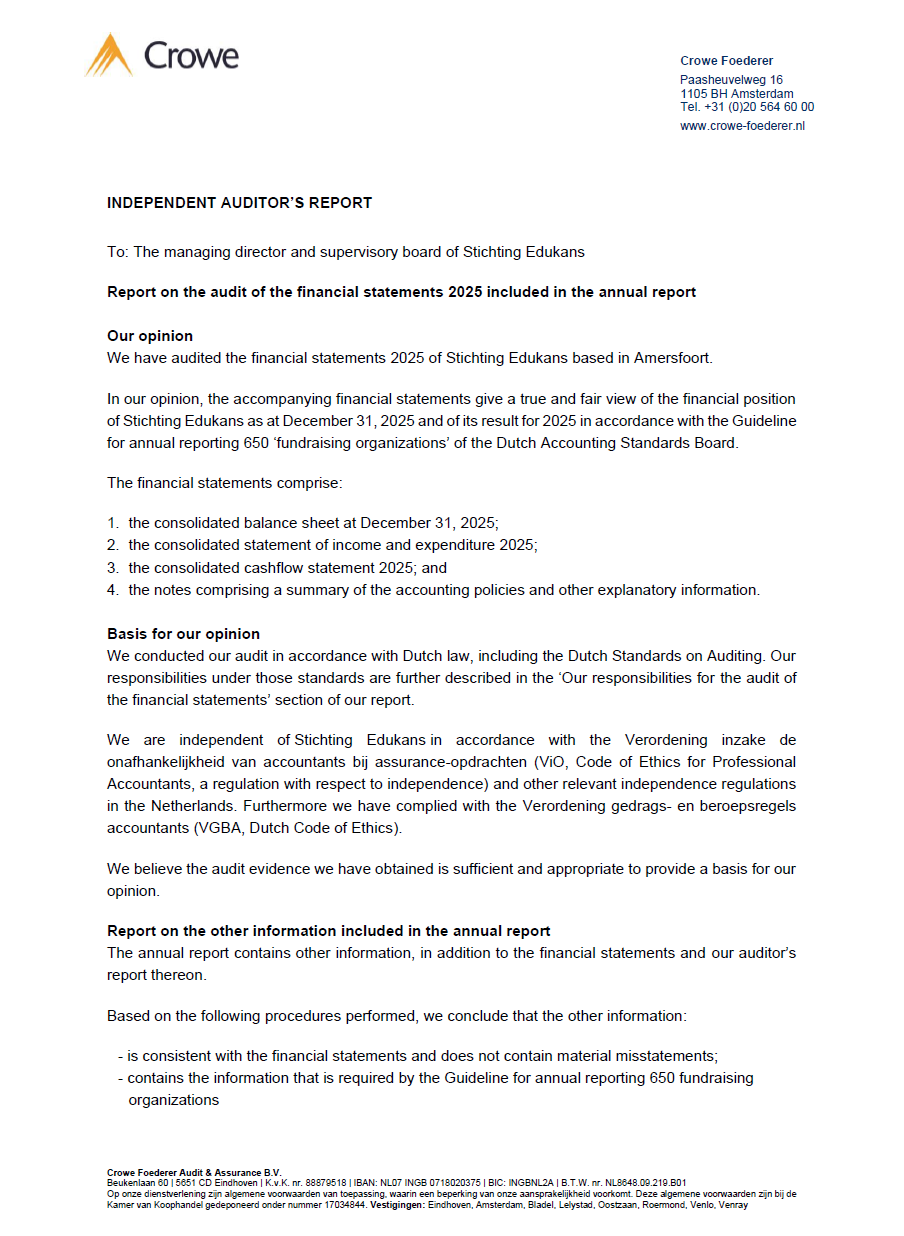



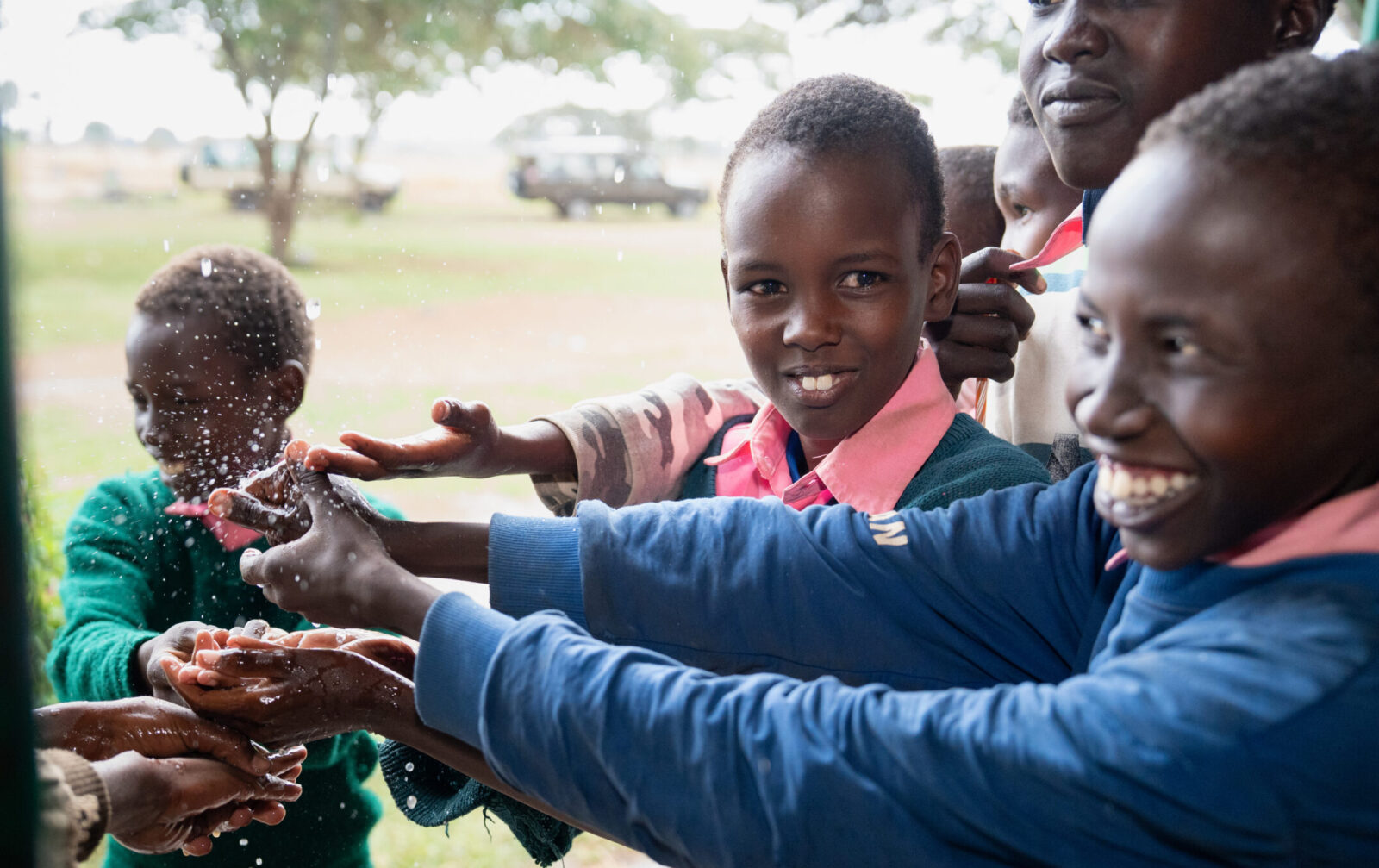

Colophon


Colophon
This annual report was published by Edukans. Edukans holds the quality mark for charities awarded by the Dutch Central Bureau on Fundraising and the ISO certificate. Edukans has been granted the status of public benefit organisation (ANBI) by the Dutch tax authorities.
Annual Report 2025 Edukans
Editors
Eline Nederstigt
Karlijne Brouwer
Roswitha Zuiderveen – de Boer
Final editing
Elisabeth Baird
Text and photography
Edukans
Capa Capa
Jacco van Laar
Contact Edukans
Antwoordnummer 737
3800 VB Amersfoort
The Netherlands
Visiting address:
Berkenweg 11
3818 LA Amersfoort
The Netherlands
+31 (0)33 4606010
info@edukans.org
www.edukans.org
NL21INGB0000000515
Do you have any questions about or comments on this Annual Report? You are welcome to get in touch.